What Does Code B1427 Mean?
DTC B1427 indicates an “Open Circuit” condition within the seat belt warning lamp circuit. This code is typically set by the vehicle’s Body Control Module (BCM), Instrument Cluster (IC), or in some cases, the Supplemental Restraint System (SRS) control module, which is responsible for monitoring and controlling various body electrical functions, including dashboard indicator lights. An “open circuit” signifies a break in the electrical path, preventing current flow. In the context of the seat belt warning lamp, this means the controlling module detects that the circuit leading to or through the lamp has abnormally high or infinite resistance, indicating a disconnection or a failed component within the circuit. Consequently, the module is unable to illuminate the seat belt warning lamp as intended, often during the ignition key cycle self-test or when the seat belt is unbuckled. This fault directly impacts the vehicle’s safety reminder system, potentially compromising driver awareness of an unbuckled seat belt.
Common Symptoms
- Seat Belt Warning Lamp Does Not Illuminate: The primary symptom is that the seat belt warning lamp on the instrument cluster fails to light up, either during ignition ON (bulb check) or when the seat belt is unbuckled.
- Inoperative Seat Belt Reminder Chime: In some vehicle applications, the audible reminder chime associated with an unbuckled seat belt may also be inactive or intermittent.
- Other Warning Lights: While less common for this specific code, other related warning lights (e.g., SRS lamp) might be triggered if the fault is deeper within the module controlling these systems.
- Stored Diagnostic Trouble Code: The presence of DTC B1427 in the BCM, IC, or SRS module’s memory, retrievable with an appropriate scan tool.
What Causes the Code B1427?
- Faulty Seat Belt Warning Lamp: This could be a blown incandescent bulb filament (in older systems) or a failed LED component within the instrument cluster.
- Open Circuit in Wiring Harness: A damaged, chafed, cut, or corroded wire within the circuit leading to the seat belt warning lamp from its controlling module. This is a common point of failure due to vibrations or physical damage.
- Poor Electrical Connection: Loose, corroded, or damaged pins within the connector that interfaces the instrument cluster with the main wiring harness, or at the controlling module itself.
- Faulty Instrument Cluster (IC): An internal circuit board failure within the instrument cluster that affects the specific driver circuit for the seat belt warning lamp.
- Faulty Body Control Module (BCM) or SRS Control Module: If the module responsible for sending the command or providing the power/ground to the lamp has an internal defect.
How to Diagnose and Troubleshoot
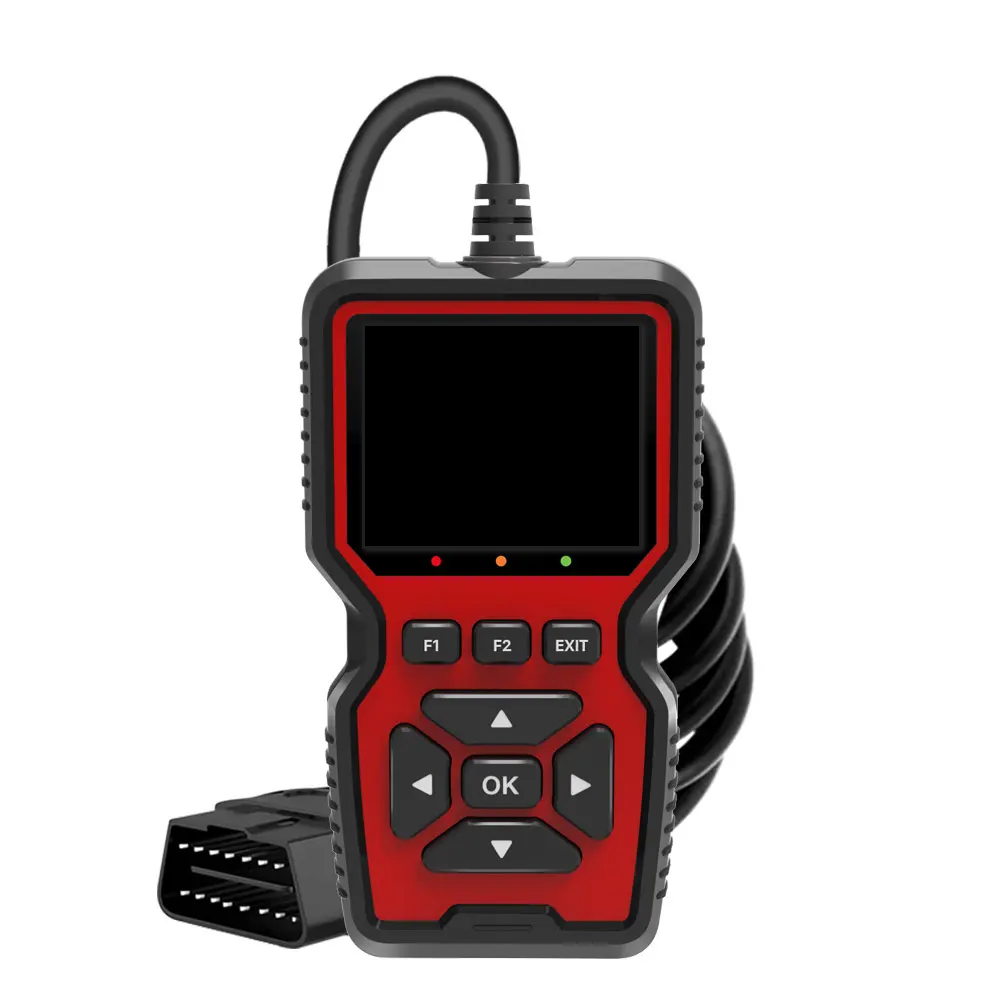
Diagnosis of B1427 requires a systematic approach using a digital multimeter (DMM), an advanced scan tool, and visual inspection. Always begin by consulting the vehicle-specific wiring diagrams to identify the correct circuits and pinouts for the seat belt warning lamp.
- Visual Inspection:
- Begin by visually inspecting the instrument cluster for any obvious signs of physical damage or foreign objects.
- Carefully inspect the wiring harness leading to the instrument cluster and the relevant control module (BCM/SRS). Look for chafing, cuts, signs of corrosion, or loose connections. Pay close attention to areas where the harness passes through sharp edges or flexes.
- Check all related connectors for proper seating, bent pins, or corrosion. Disconnect and re-connect them to ensure good contact.
- OBD-II Scan Tool Examination:
- Connect an advanced scan tool capable of communicating with the BCM, SRS module, and Instrument Cluster.
- Retrieve all stored and pending DTCs. Note any other related codes that might point to a broader electrical issue.
- Check live data streams, if available, for the seat belt status (buckled/unbuckled) and any commands for the seat belt warning lamp. Some scan tools offer bi-directional controls to command the lamp on and off, which can be useful for testing.
- Circuit Integrity Testing with DMM:
- Safety First: Disconnect the vehicle’s negative battery terminal before performing any resistance or continuity tests to prevent accidental short circuits or module damage.
- Access the back of the instrument cluster and the connector for the controlling module (BCM/SRS).
- Identify the specific power and ground wires for the seat belt warning lamp circuit using the wiring diagram.
- Continuity Test: With the connectors disconnected from both ends (if possible), perform a continuity test on both the power and ground sides of the lamp circuit from the module connector to the instrument cluster connector. An “open” circuit (infinite resistance) confirms a break in the wiring.
- Resistance Check of Lamp (if replaceable): If the instrument cluster uses a replaceable incandescent bulb, carefully remove it and test its resistance with the DMM. A good bulb will show low resistance; a blown bulb will show infinite resistance. For integrated LEDs, this test is not applicable.
- Voltage Check: If the wiring continuity is verified, reconnect the battery and back-probe the power and ground circuits at the lamp’s input (or instrument cluster connector). Monitor for proper voltage supply when the lamp is commanded ON by the system (e.g., during ignition self-test or with an unbuckled seat belt). If voltage is present but the lamp doesn’t light, the lamp or its internal driver circuit in the IC is faulty. If no voltage, the issue is further upstream in the module or its wiring.
- Module Function Test:
- If wiring, connectors, and the lamp itself (if replaceable) are confirmed good, but the lamp still doesn’t operate, suspect an internal fault within the controlling module (Instrument Cluster, BCM, or SRS module).
- Use the scan tool’s bi-directional controls, if available, to directly command the seat belt warning lamp. If the command is sent, the circuit is good, and the lamp still doesn’t respond, the module is likely faulty.
Recommended Repairs and Solutions
Once the root cause of the B1427 code has been accurately diagnosed, the appropriate repair can be implemented:
- Replace Faulty Warning Lamp: If the instrument cluster utilizes a replaceable incandescent bulb for the seat belt indicator, simply replace the blown bulb with a new, correct specification bulb. For systems with integrated LEDs, this usually necessitates replacement or specialized repair of the entire instrument cluster.
- Repair Open Wiring: If an open circuit is found in the wiring harness, the damaged section must be professionally repaired. This involves carefully stripping insulation, soldering in a new section of wire, and properly insulating the repair with heat-shrink tubing. Ensure all repairs are robust and won’t be susceptible to future damage from vibration or chafing.
- Clean or Replace Corroded Connectors: If corrosion or poor contact is identified at a connector, clean the pins thoroughly using a specialized electrical contact cleaner and a small brush. If pins are severely damaged or corroded, the connector terminal or the entire connector housing may need to be replaced. Apply dielectric grease to protect against future corrosion.
- Replace Instrument Cluster (IC): If an internal fault within the instrument cluster’s circuit board is confirmed as the cause, replacement of the instrument cluster is often the most practical solution. Be aware that many modern instrument clusters require programming, VIN synchronization, or mileage calibration after installation, which typically requires specialized dealer-level equipment.
- Replace Body Control Module (BCM) or SRS Control Module: In cases where the BCM or SRS module is definitively diagnosed as the source of the fault (e.g., failure to output the correct signal despite good wiring), the module will need to be replaced. These modules almost always require programming or ‘flashing’ with the vehicle’s specific software and configuration data after installation.
After any repair, clear the DTCs from all relevant modules using a scan tool and perform a functional test of the seat belt warning lamp to confirm the issue is resolved. Drive the vehicle and re-scan to ensure the code does not return.