What Does Code P1662 Mean?
DTC P1662 signifies an observed malfunction within the Injection Driver Module (IDM) Enable (IDM_EN) circuit. This code is most commonly associated with Ford diesel engines, particularly the 7.3L Power Stroke, where a dedicated Injection Driver Module (IDM) is utilized to power and control the fuel injectors. The Powertrain Control Module (PCM) is responsible for sending a specific voltage signal via the IDM_EN circuit to the IDM, instructing it to activate and prepare for injector firing. When the PCM detects that the voltage or resistance on this critical enable circuit falls outside of its calibrated operational parameters—indicating an open circuit, a short to ground, or a short to voltage—it registers P1662. This failure essentially means the PCM is unable to reliably command the IDM to operate, directly impacting the fuel injection system’s functionality and potentially preventing engine operation.
Common Symptoms
- Engine Crank, No Start Condition: The most prevalent symptom, as the IDM cannot be enabled to energize the injectors.
- Engine Stall: If the IDM_EN signal is lost intermittently while the engine is running.
- Malfunction Indicator Lamp (MIL) Illumination: The “Check Engine” light will illuminate on the dashboard.
- Reduced Engine Power or Limp Mode: While less common for a full IDM_EN failure, an intermittent issue might lead to degraded performance.
- No Injector Pulse: Confirmed via a diagnostic scanner or by listening for injector operation during cranking.
What Causes the Code P1662?
- Faulty Wiring Harness: Damage (chafing, cuts, corrosion, or heat damage) to the IDM_EN circuit wiring between the PCM and the IDM, leading to an open circuit, short to ground, or short to power. This is a very frequent cause.
- Defective Injection Driver Module (IDM): An internal fault within the IDM preventing it from receiving, processing, or responding correctly to the enable signal from the PCM.
- Corroded or Loose Connectors: Poor electrical contact at either the PCM or IDM connectors due to corrosion, bent pins, or terminals that have backed out of their housing.
- Faulty Powertrain Control Module (PCM): A rare but possible internal failure within the PCM’s driver circuit responsible for outputting the IDM_EN signal.
How to Diagnose and Troubleshoot
Diagnosis of P1662 requires a systematic approach using a digital multimeter (DMM) and a vehicle-specific wiring diagram.
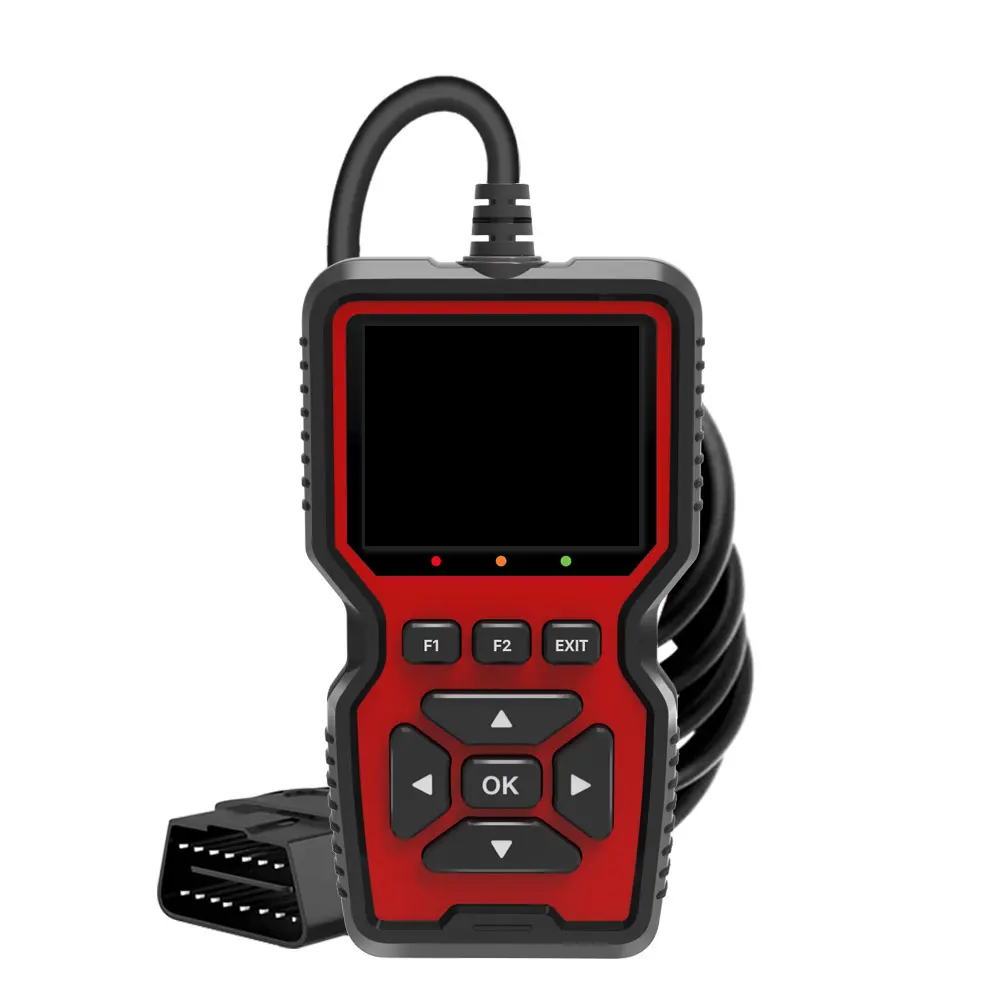
- Retrieve Freeze Frame Data: Connect an OBD-II scanner and record any freeze frame data associated with P1662. This provides crucial information about engine operating conditions (RPM, engine temperature, etc.) when the fault was set. Clear the DTCs after recording.
- Visual Inspection:
- Locate the IDM and PCM. Carefully inspect the entire wiring harness section connecting the PCM to the IDM. Look for any signs of physical damage such as chafing, cuts, pinches, or signs of excessive heat, especially where the harness passes through firewalls, around sharp edges, or near exhaust components.
- Inspect the electrical connectors at both the PCM and IDM. Disconnect them (battery negative terminal disconnected first) and check for corrosion, bent pins, pushed-out terminals, or signs of moisture intrusion.
- Wiring Circuit Tests (Key-On, Engine-Off – KOEO):
- Identify IDM_EN Wire: Consult the vehicle’s specific wiring diagram to identify the correct pin for the IDM_EN circuit at both the PCM and IDM connectors. This wire typically carries battery voltage when the PCM commands the IDM ON.
- Voltage Test at IDM Connector (Harness Side): With the battery reconnected and the IDM connector disconnected, turn the ignition key to the ON position. Using a DMM set to DC Volts, back-probe the IDM_EN pin on the harness side of the IDM connector. Measure the voltage between this pin and a known good chassis ground. You should observe battery voltage (approximately 12V-14V). If no voltage, or significantly low voltage (e.g., less than 10V), proceed to PCM output test and continuity checks.
- Continuity Test (Open Circuit): Disconnect both the PCM and IDM connectors and the vehicle battery. Set your DMM to the Ohms scale. Measure the resistance of the IDM_EN wire directly between its corresponding pin at the PCM connector and its pin at the IDM connector. Resistance should be less than 5 ohms. An open circuit (infinite resistance or OL) indicates a break in the wire.
- Short to Ground Test: With both connectors disconnected and the battery disconnected, measure the resistance between the IDM_EN wire (at either end) and a known good chassis ground. Resistance should be infinite (OL). Any low resistance reading indicates a short to ground.
- Short to Power Test: This is typically diagnosed during the initial voltage test at the IDM connector. If battery voltage is present when it should not be (e.g., with key OFF, or if an unexpected higher voltage is present), suspect a short to power in the harness.
- PCM Output Verification (Advanced): If wiring checks confirm an open or short, repair it first. If the wiring is good, but no voltage is present at the IDM_EN wire, back-probe the IDM_EN pin at the PCM connector (with connector attached). Turn the key ON and observe the voltage. If the PCM is not outputting battery voltage on this pin, and all power/grounds to the PCM are confirmed, the PCM itself may be faulty.
Recommended Repairs and Solutions
Once the root cause of P1662 is identified through systematic diagnosis, the appropriate repair can be performed:
- Wiring Harness Repair: If an open circuit, short, or high resistance is found in the IDM_EN circuit wiring, the damaged section must be professionally repaired. This involves cutting out the compromised section and splicing in a new piece of wire using solder and heat-shrink tubing, or using high-quality weather-pack crimp connectors. Ensure the repaired section is routed away from potential future chafing points and secured properly.
- Injection Driver Module (IDM) Replacement: If the IDM_EN circuit wiring is confirmed to be intact and the PCM is properly sending the enable signal, but the IDM still fails to function or report correctly, the IDM itself is likely faulty and requires replacement. Ensure the replacement IDM is compatible with your specific vehicle year and model.
- Connector Repair/Replacement: If corrosion, bent pins, or loose terminals were identified at either the PCM or IDM connectors, carefully clean the terminals using specialized electrical contact cleaner and a small brush. If pins are severely damaged, the connector may need to be repinned or replaced. Apply a thin layer of dielectric grease to the cleaned terminals before reassembly to prevent future corrosion.
- Powertrain Control Module (PCM) Replacement: If all other components (wiring, IDM) have been thoroughly tested and confirmed good, and the PCM is verified not to be outputting the IDM_EN signal, then the PCM may be internally defective. PCM replacement typically requires programming or flashing to the vehicle’s specific VIN and options, which often necessitates specialized equipment or dealership service.
After any repair, clear the DTCs using an OBD-II scanner and perform several key cycles and a test drive to ensure the repair is successful and the P1662 code does not return.