What Does Code B1438 Mean?
DTC B1438 signifies a detected electrical malfunction within the circuit of the windshield wiper mode select switch. This code is typically set by the Body Control Module (BCM) or a dedicated front electronic module (FEM) which is responsible for monitoring inputs from various driver interface components, including the wiper stalk switch. The BCM continuously monitors the electrical characteristics of the wiper mode select switch circuit—often a resistive ladder network—to interpret the driver’s desired wiper speed or function (e.g., intermittent, low speed, high speed, mist, or off). When the BCM detects a voltage or resistance value outside of its predefined operational parameters for a specific switch position, or if it detects an open circuit, a short to ground, or a short to voltage on the dedicated signal wire, it registers an implausible input and sets the B1438 diagnostic trouble code. This indicates a failure in the integrity of the electrical path from the switch to the control module, or an internal fault within the switch itself. The specific subsystem affected is the front windshield wiper system’s operational control.
Common Symptoms
- Wipers Inoperative: The windshield wipers may not activate at all, regardless of switch position.
- Wipers Stuck in One Mode/Speed: Wipers may operate continuously at a single speed (e.g., low speed) and not respond to changes in the switch position.
- Intermittent or Erratic Operation: Wipers may function sporadically, cycle unexpectedly, or operate at incorrect speeds.
- Inability to Select Specific Modes: Certain wiper functions, such as intermittent wipe or high speed, may not engage when selected.
- Washer Fluid System Inoperative: If the washer fluid activation is integrated into the same multi-function switch, it may also fail to operate.
What Causes the Code B1438?
- Faulty Wiper Mode Select Switch: Internal mechanical wear, damaged contacts, or an electrical short/open within the switch unit itself is a primary cause. Many switches utilize a resistive ladder, and a failure in any resistor or contact point can generate incorrect signal values.
- Wiring Harness Issues: An open circuit (break), short to ground, short to voltage, or excessive resistance within the wiring harness connecting the wiper switch to the BCM. This can be due to chafing, pinching, corrosion, or accidental damage.
- Corroded or Loose Connectors: Oxidation, bent pins, or poor terminal tension at the multi-function switch connector or the BCM connector can disrupt signal integrity.
- Faulty Body Control Module (BCM): While less common, an internal failure within the BCM’s input circuit for the wiper switch can misinterpret or fail to receive the correct signal, leading to the DTC.
- Power or Ground Circuit Issues: Although B1438 specifically points to the “mode select switch circuit,” issues with the main power or ground supply to the switch could indirectly affect its output signal, though this often triggers other codes as well.
How to Diagnose and Troubleshoot
A systematic diagnostic approach is essential to accurately pinpoint the root cause of B1438:
- Visual Inspection: Begin with a thorough visual inspection of the wiper switch stalk and its immediate wiring harness. Look for obvious signs of physical damage, such as a broken stalk, frayed or pinched wires, or corroded connectors. Inspect the connections at the base of the steering column or where the multi-function switch plugs into the main harness.
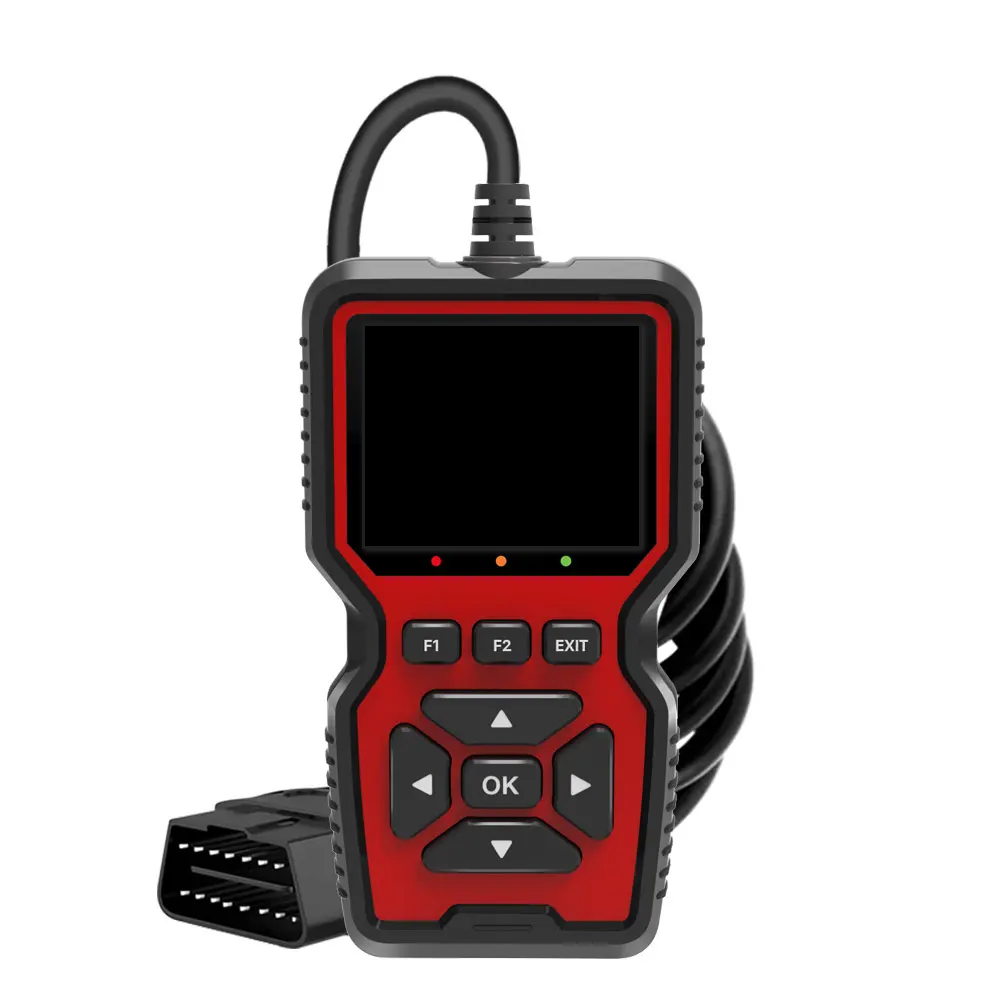
- OBD-II Scanner Data Review: Connect a diagnostic scanner to retrieve freeze frame data associated with B1438. This data can provide valuable clues about the operating conditions (e.g., vehicle speed, engine run time) at the moment the code was set. Check for other related DTCs that might provide additional context. Utilize live data to observe the status of the wiper switch inputs if the specific vehicle architecture provides this data stream (e.g., “Wiper Switch Position,” “Wiper Speed Request”).
- Wiring Diagram Analysis: Obtain the precise wiring diagram for the vehicle’s wiper system. Identify the specific pins, wire colors, power, ground, and signal wires associated with the wiper mode select switch and its connection to the BCM. Pay close attention to any inline connectors between the switch and the BCM.
- Digital Multimeter (DMM) Testing at Switch Connector:
- Disconnect the Switch: Disconnect the multi-function switch from the wiring harness.
- Power and Ground Verification: Using the DMM, verify proper battery voltage (B+) and ground continuity at the appropriate pins of the harness connector (refer to the wiring diagram).
- Signal Wire Testing for Shorts/Opens: Back-probe or carefully test the signal wire(s) at the harness connector for shorts to ground or shorts to voltage. An open circuit on the signal wire between the switch and BCM can also be detected by testing continuity to the BCM connector.
- Wiper Switch Resistance Test (if applicable): Many multi-function switches utilize a resistive ladder network. With the switch disconnected, use the DMM to measure resistance across the signal and ground terminals of the switch itself as you cycle through each wiper mode (off, intermittent, low, high, mist). Compare these measured resistance values to the manufacturer’s specified values in the service manual. Any significant deviation indicates an internal switch failure.
- Continuity Test of Wiring Harness: If the switch tests good, disconnect the wiring harness at both ends (switch and BCM). Use the DMM to perform a continuity test on each wire between the switch connector and the BCM connector. Look for open circuits or high resistance. Simultaneously, test each wire for shorts to vehicle ground and shorts to other wires in the harness.
- BCM Input Verification (Advanced): If all previous tests confirm the switch and wiring are good, the issue may lie with the BCM. This often requires specialized diagnostic equipment to command outputs and monitor inputs directly at the BCM. However, BCM replacement should always be a last resort after thoroughly ruling out all other possibilities.
Recommended Repairs and Solutions
Based on the diagnostic findings, the most common and effective solutions for DTC B1438 include:
- Replace the Wiper Mode Select Switch: If DMM tests confirm an internal fault with the switch (e.g., incorrect resistance values, open circuits within the switch), replacement of the multi-function switch assembly is the most frequent repair. Ensure the new switch is a direct OEM or high-quality aftermarket replacement for proper fit and function.
- Repair or Replace Damaged Wiring: Address any identified open circuits, shorts, or areas of high resistance in the wiring harness. This typically involves cutting out the damaged section and splicing in new wiring using proper automotive-grade crimp connectors (e.g., heat-shrink butt connectors) or soldering, followed by appropriate insulation. For extensive damage, replacing the entire sub-harness may be necessary.
- Clean and Secure Connectors: If corrosion or poor terminal tension is found, carefully clean the terminals using an approved electrical contact cleaner and a small brush. Gently re-tension any loose female terminals. Apply a small amount of dielectric grease to prevent future corrosion before reassembly. Ensure all connectors are fully seated and locked.
- Replace the Body Control Module (BCM): Only proceed with BCM replacement if all other components (switch, wiring, connectors) have been meticulously tested and confirmed to be fully functional. BCM replacement often requires specialized programming or configuration to match the vehicle’s specific options and VIN, which usually necessitates dealer-level diagnostic tools.
- Clear DTCs and Retest: After performing any repair, clear the B1438 code using an OBD-II scanner. Operate the vehicle and thoroughly test all wiper functions (off, intermittent, low, high, mist, washer) multiple times to confirm the repair is successful and the code does not return.