What Does Code B1437 Mean?
DTC B1437 signifies a detected short circuit to ground within the control coil circuit for the high/low speed relay of the vehicle’s windshield wiper system. The Body Control Module (BCM) or a dedicated Wiper Control Module (WCM), which often interfaces with the Powertrain Control Module (PCM), is responsible for monitoring this circuit. When the module attempts to energize the wiper speed relay coil and detects an abnormally low voltage or excessive current flow indicative of an unintended path to chassis ground, it registers this diagnostic trouble code. This condition specifically impacts the functionality of switching between different wiper speeds, often resulting in erratic operation or complete loss of specific speed settings. The fault typically lies in the control side of the relay circuit, meaning the wire from the control module to the relay coil, or the coil itself, is directly shorted to the vehicle’s ground.
Common Symptoms
- Windshield wipers operate at only one speed (e.g., high speed only or low speed only).
- Windshield wipers do not operate at all.
- Intermittent or erratic operation of the windshield wipers.
- The fuse for the wiper system or wiper motor repeatedly blows.
- Inability to select specific wiper speeds, such as low or high.
- Audible clicking or buzzing from the relay box (less common, but possible with an intermittent short).
What Causes the Code B1437?
- Damaged or Chafed Wiring: A physical short to ground in the wiring harness connecting the BCM/WCM to the wiper high/low speed relay coil. This can be caused by abrasion, pinching, or impact damage, leading the conductor to contact the vehicle’s chassis or another grounded component.
- Faulty Wiper High/Low Speed Relay: An internal short circuit within the relay coil itself, or between the coil winding and the relay’s metal casing (if applicable and grounded), causing the control signal to bypass the coil’s intended resistance and short directly to ground.
- Corrosion or Water Intrusion: Water ingress into electrical connectors, the fuse box, or the relay box can create conductive paths between the control circuit and ground, leading to a short.
- Faulty Body Control Module (BCM) or Wiper Control Module (WCM): Although less frequent, an internal failure within the control module itself, such as a shorted driver transistor, could cause its output circuit to the relay coil to be continuously shorted to ground.
- Improper Aftermarket Accessory Installation: Incorrect wiring or splicing into the wiper circuit for aftermarket components can inadvertently introduce a short to ground.
How to Diagnose and Troubleshoot
Accurate diagnosis of B1437 requires systematic evaluation of the wiper relay control circuit:
- Initial Visual Inspection: Begin by thoroughly inspecting the entire wiper system wiring harness, from the wiper motor to the control module and the relay box. Look for any signs of physical damage such as chafing, cuts, pinches, or signs of heat damage. Examine all associated connectors for corrosion, bent pins, or signs of water intrusion.
- Check Related Fuses: Using a digital multimeter (DMM) set to continuity or resistance mode, test all fuses related to the wiper system and the BCM/WCM. A blown fuse often accompanies a short circuit and can help narrow down the problematic branch of the circuit.
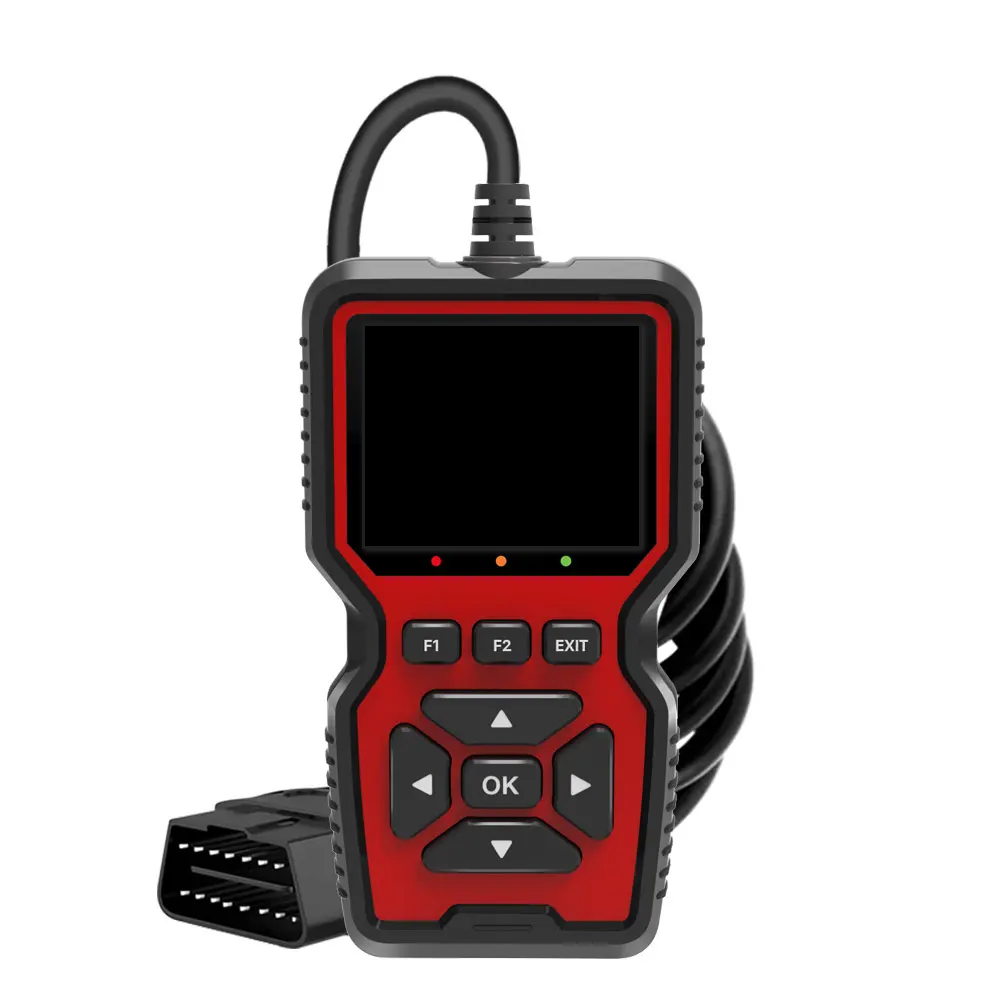
- OBD-II Scan and Live Data: Utilize an advanced OBD-II scanner to confirm the presence of B1437 and check for any other related or pending diagnostic trouble codes. If available, monitor live data streams related to wiper switch inputs and relay command outputs from the BCM/WCM to verify if the module is attempting to activate the relay.
- Isolate and Test the Wiper Relay:
- Relay Removal: With the ignition OFF and the battery disconnected for safety, locate and remove the wiper high/low speed relay.
- Relay Coil Resistance Test: Using a DMM, measure the resistance across the relay’s coil terminals (typically terminals 85 and 86 on a Bosch-style relay). Compare this reading to manufacturer specifications. An extremely low resistance (near 0 ohms) indicates an internal short within the relay coil, while an open circuit indicates a break in the coil.
- Circuit Short to Ground Test (Relay Socket): With the relay removed, reconnect the battery. Set the DMM to voltage mode. Carefully probe the control circuit terminal in the relay socket (the terminal connected to the BCM/WCM, often 85 or 86, depending on the specific vehicle’s wiring) while the wiper system is commanded to the affected speed. If there is a constant 0V or significantly lower than expected control voltage, it indicates a short. Alternatively, with the ignition OFF, set the DMM to resistance (ohms). Place one DMM lead on the control circuit terminal in the relay socket and the other on a known good chassis ground. A reading of very low resistance (near 0 ohms) or continuity indicates a short to ground in the wiring between the relay socket and the BCM/WCM.
- Isolate Wiring from Control Module: If the short is confirmed in the wiring, disconnect the BCM/WCM connector. Retest the resistance from the relay socket control wire terminal to chassis ground. If the short is no longer present, the issue likely lies within the BCM/WCM itself. If the short persists, the wiring harness between the relay socket and the control module is faulty.
- Power and Ground Integrity (BCM/WCM): Using vehicle-specific wiring diagrams, verify that the BCM/WCM receives proper power and ground inputs. Issues with the module’s own power or ground supply can sometimes mimic other circuit faults.
Recommended Repairs and Solutions
- Repair or Replace Damaged Wiring: The most frequent resolution for B1437 involves locating and repairing the specific section of the wiring harness that has shorted to ground. Once identified, the damaged wire should be repaired using proper automotive-grade wiring, solder, and heat-shrink tubing to ensure a durable, insulated connection. Ensure the repaired harness is routed and secured to prevent future damage.
- Replace Faulty Wiper High/Low Speed Relay: If diagnostic testing confirmed an internal short or open circuit within the relay coil, replace the wiper high/low speed relay with a new, OEM-specification part. Always verify the part number and type to ensure compatibility.
- Address Corrosion and Water Intrusion: If corrosion or water damage is found in connectors, the fuse box, or the relay box, thoroughly clean the affected areas using electrical contact cleaner and a non-abrasive brush. Apply dielectric grease to clean connector pins to prevent future moisture ingress and corrosion. Replace any heavily corroded connectors or components as necessary.
- Replace Body Control Module (BCM) or Wiper Control Module (WCM): If all external wiring, connectors, and the relay have been thoroughly tested and confirmed to be in good working order, and the short to ground persists, the BCM or WCM itself may be faulty. Module replacement often requires specialized programming or configuration after installation. Consult the vehicle’s specific service information for the correct replacement and programming procedures.
- Mechanic’s Tip: When dealing with short circuits, it’s advisable to disconnect the battery before extensive probing or component replacement to prevent further damage to electrical systems. In situations where a short is causing a fuse to blow repeatedly, using a self-resetting circuit breaker in place of the fuse during diagnosis can protect the circuit while allowing you to trace the short without replacing numerous fuses. Always clear DTCs after repairs and perform a functional test of the entire wiper system across all speeds and intermittent settings to confirm the fix. Be aware that some vehicles integrate the wiper control module directly into the wiper motor assembly; in such cases, the entire wiper motor assembly may need to be replaced if the internal module is at fault.