What Does Code B1436 Mean?
DTC B1436 indicates a specific electrical fault within the vehicle’s windshield wiper system, specifically identifying a short to battery condition in the circuit controlling the wiper high/low speed relay coil. This diagnostic trouble code is typically set by the Body Control Module (BCM) or an Integrated Power Module (IPM/TIPM), which is responsible for monitoring and controlling various body electrical functions, including the wipers.
The control module constantly monitors the voltage and current in the relay coil circuit. Under normal operation, the module applies voltage (or provides a ground path, depending on the relay’s control scheme) to energize the relay coil, switching the wipers between low and high speeds. A “short to battery” signifies that the control module is detecting a continuous or intermittent 12-volt (or system voltage) signal on the relay coil circuit when it should not be present, or when it expects a lower voltage or ground. This abnormal voltage reading suggests an unintended electrical connection directly to the vehicle’s battery voltage, bypassing the intended control logic. This can lead to the relay being constantly energized, preventing proper control, or causing a parasitic draw if the short is persistent when the ignition is off.
Common Symptoms
- Wipers stuck on a single speed (high or low): The relay coil being constantly energized by the short can lock the wipers into one operational speed regardless of the switch position.
- Wipers inoperative: Conversely, the short to battery might prevent the control module from establishing proper control, rendering the wipers non-functional.
- Erratic wiper operation: Intermittent shorts can cause the wipers to switch speeds unpredictably or cycle improperly.
- Battery drain (parasitic draw): If the short to battery is persistent even with the ignition off, the constantly energized relay (or the draw through the short itself) can deplete the vehicle’s battery.
- Wiper motor overheating: Continuous operation due to the short, especially if the motor is designed for intermittent use, can lead to premature wear or failure.
What Causes the Code B1436?
- Damaged Wiring Harness: The most common cause is a compromised wire in the wiper high/low speed relay coil circuit. This could be due to chafing, pinching, or rubbing against a constant power source (e.g., a B+ wire), causing a direct short to battery voltage.
- Faulty Wiper High/Low Speed Relay: An internal short within the relay itself, where the coil circuit becomes internally connected to the relay’s B+ terminal, can directly cause this code.
- Corroded or Damaged Connector: Corrosion or physical damage within the relay socket or an inline connector in the wiper circuit can bridge pins, allowing battery voltage to backfeed into the relay coil control circuit.
- Internal Body Control Module (BCM) or Integrated Power Module (IPM/TIPM) Failure: Although less common, an internal short within the BCM or IPM that provides power to the relay coil circuit can cause this condition. This typically occurs when a power supply circuit within the module fails and internally shorts to the relay control circuit.
How to Diagnose and Troubleshoot
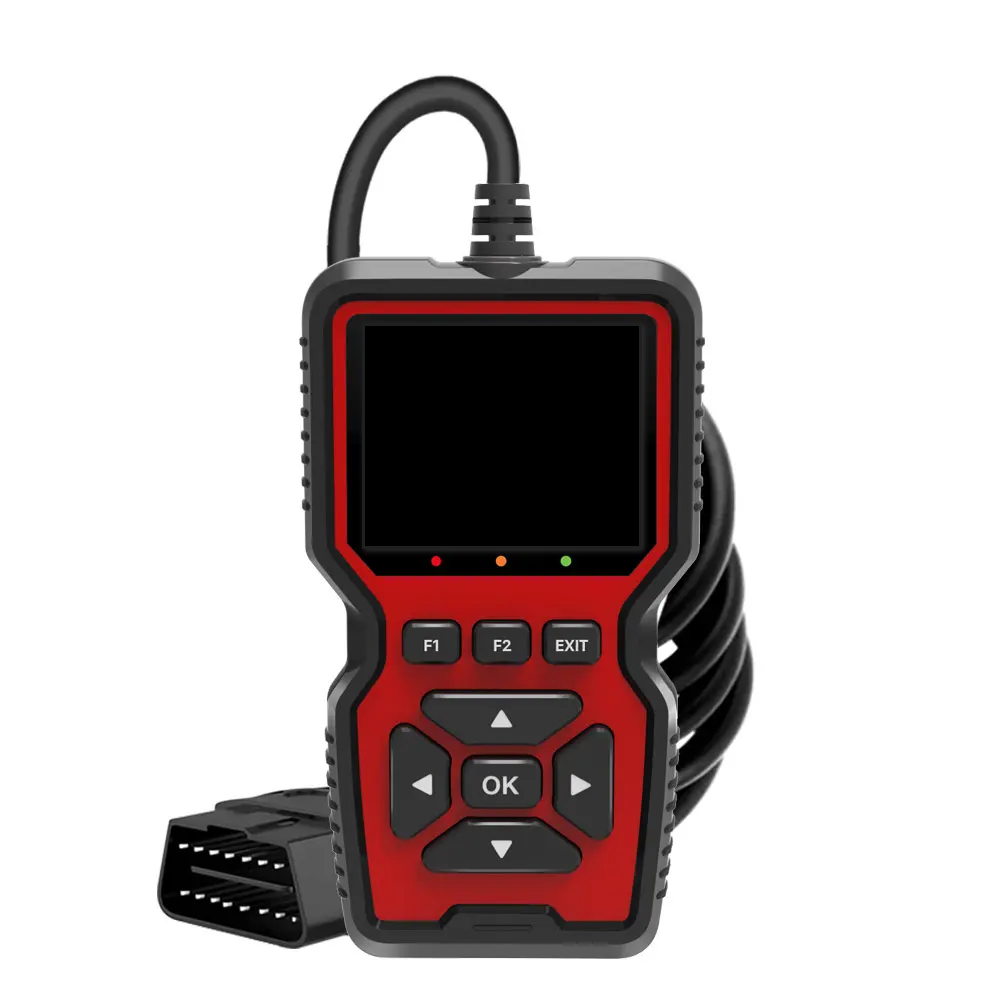
Diagnosing B1436 requires a systematic approach, often utilizing a digital multimeter (DMM), an OBD-II scanner, and detailed wiring diagrams.
- Retrieve and Analyze DTCs and Freeze Frame Data: Connect an OBD-II scanner to read code B1436 and any related or pending codes. Analyze freeze frame data to understand engine speed, vehicle speed, and other parameters at the time the code was set, which can provide clues about the conditions under which the fault occurred. Clear the code and attempt to reproduce the fault if possible.
- Visual Inspection: Begin with a thorough visual inspection of the wiper high/low speed relay, its harness, and connectors. Look for signs of chafing, pinching, melted insulation, corrosion, or physical damage. Pay close attention to areas where the wiring passes through firewalls, over sharp edges, or near moving components. Inspect the relay itself for signs of overheating or external damage.
- Locate and Isolate the Wiper High/Low Speed Relay: Refer to the vehicle’s service manual to precisely locate the wiper high/low speed relay. In many vehicles, this relay is located in the under-hood fuse/relay box or an integrated power module.
- Test Relay Coil Circuit for Short to Battery (Key Off):
- With the ignition off and the relay removed from its socket, identify the relay coil control terminals on the wiring diagram.
- Using a DMM set to DC voltage, backprobe or carefully insert the probes into the relay coil control terminals in the harness connector.
- Measure voltage at each terminal. You should ideally read 0 volts (or very low residual voltage). A reading of near battery voltage (e.g., 12V) on a control terminal with the key off definitively indicates a short to battery.
- Repeat this test with the ignition on (engine off) and the wiper switch in various positions (off, low, high) to observe controlled voltage changes. If battery voltage is present on the control line when the module is not commanding it, the short is present.
- Test Relay Coil Circuit for Short to Battery (Continuity Test):
- If a voltage reading indicates a short to battery, disconnect the negative battery terminal to prevent further circuit damage.
- Identify the wiring harness leading to the relay coil control terminal that showed voltage. Trace this wire as far back as possible towards the BCM/IPM.
- Set the DMM to continuity or resistance mode. Disconnect any upstream components (e.g., the BCM/IPM connector if safe and accessible, following service manual procedures).
- Test for continuity between the suspected wire and a known B+ source (e.g., the battery positive terminal, or a dedicated fused B+ wire). A very low resistance reading (near 0 ohms) indicates a direct short.
- Also test for continuity between the suspected wire and chassis ground. This helps rule out a potential short to ground that might be misdiagnosed or simultaneously present.
- Test the Wiper High/Low Speed Relay:
- If the wiring appears intact, test the relay itself. Apply battery voltage and ground to the coil terminals (as per the relay’s pinout) and listen for a distinct click, indicating the coil is energizing and the internal contacts are switching.
- Use the DMM to verify continuity across the switched contacts when the coil is energized and no continuity when it’s de-energized.
- Alternatively, swap the suspect relay with a known good, identical relay from another non-critical circuit if available for a quick functional check.
- Inspect BCM/IPM Connectors: If all external wiring and the relay test good, inspect the connectors at the BCM or IPM for corrosion, bent pins, or signs of water intrusion. An internal fault within the BCM/IPM is a possibility, but typically only after ruling out external causes.
Recommended Repairs and Solutions
The repair for B1436 depends directly on the root cause identified during diagnosis:
- Repair Damaged Wiring: If chafed, pinched, or shorted wiring is found, the damaged section must be repaired or replaced. Use high-quality, heat-shrinkable butt connectors and appropriate gauge wire for splicing. Ensure the repaired section is properly routed and secured to prevent future damage. For extensive damage, replacing the entire harness section might be necessary.
- Replace Faulty Wiper High/Low Speed Relay: If the relay itself tests bad (internal short, coil open, or contacts not switching), replace it with a new, OEM-specified relay. Ensure the new relay matches the original in terms of part number and electrical specifications.
- Clean or Replace Corroded Connectors: If corrosion is present in the relay socket or other connectors, use an electrical contact cleaner and a small brush to thoroughly clean the terminals. If the corrosion is severe or has caused damage to the terminals, the connector or its affected terminals should be replaced. Apply dielectric grease to protect against future corrosion.
- Replace Body Control Module (BCM) or Integrated Power Module (IPM/TIPM): This should be considered a last resort, only after thoroughly ruling out all external wiring and component failures. If an internal BCM/IPM fault is confirmed (e.g., internal short on the relay driver circuit), the module will need to be replaced. Be aware that BCM/IPM replacement often requires programming or calibration with specialized diagnostic tools to match the vehicle’s specific options and VIN.
Mechanic’s Tips:
- Always disconnect the negative battery terminal before performing any electrical repairs to prevent accidental shorts or damage to sensitive electronic components.
- Use a reliable vehicle-specific wiring diagram. Generic diagrams can lead to misdiagnosis.
- After completing any repairs, clear the DTC and thoroughly test the wiper system in all modes (off, intermittent, low, high, washer function) to ensure full functionality and verify the code does not return.
- Consider performing a parasitic draw test after resolving the short to battery if the vehicle experienced battery drain symptoms, just to ensure no other unforeseen draws are present.