What Does Code B1441 Mean?
Diagnostic Trouble Code (DTC) B1441 indicates a detected electrical anomaly within the wiper mode select switch circuit, specifically identifying a condition of short to ground. This code is typically registered by the vehicle’s Body Control Module (BCM), General Electronic Module (GEM), or Front Control Module (FCM), rather than the Powertrain Control Module (PCM/ECM), as it pertains to body electrical systems. The BCM/GEM is responsible for monitoring the various inputs from the wiper stalk or switch assembly, which includes the wiper mode select switch. This switch typically operates by varying resistance or voltage on a signal circuit, allowing the module to differentiate between selected modes such as intermittent, low speed, high speed, and mist. When the BCM/GEM detects a voltage on this circuit that is consistently at or near ground potential, or significantly lower than expected across multiple switch positions, it interprets this as a short to ground condition within the circuit, triggering the B1441 DTC. This fault directly impacts the functionality and control of the vehicle’s windshield wiper system.
Common Symptoms
- Wipers are inoperative or fail to respond to switch commands.
- Wipers operate continuously at a single speed (e.g., low or high) and cannot be turned off or changed.
- Loss of intermittent wiper function or the ability to select different intermittent speeds.
- Wipers operate erratically or unexpectedly.
- Wiper system fuses repeatedly blow.
- A warning message related to the wiper system may be displayed on the instrument cluster.
What Causes the Code B1441?
- Damaged Wiring Harness: Chafed, cut, or pinched wiring in the wiper mode select switch circuit, causing the signal wire to make unintentional contact with a chassis ground.
- Faulty Wiper Mode Select Switch: An internal short circuit within the wiper stalk or switch assembly itself, where the internal contacts or wiring are continuously grounding the signal circuit regardless of the selected position.
- Corrosion in Connectors: Moisture intrusion or corrosion within the electrical connectors for the wiper switch or the BCM/GEM, leading to unintended conductive paths to ground.
- Faulty Body Control Module (BCM)/General Electronic Module (GEM): While less common, an internal fault within the BCM/GEM that causes its input monitoring circuit for the wiper switch to incorrectly read a ground condition or to short internally.
How to Diagnose and Troubleshoot
Diagnosing B1441 requires systematic electrical testing and a digital multimeter (DMM). Always begin by consulting the vehicle-specific wiring diagrams for the wiper system and the BCM/GEM.
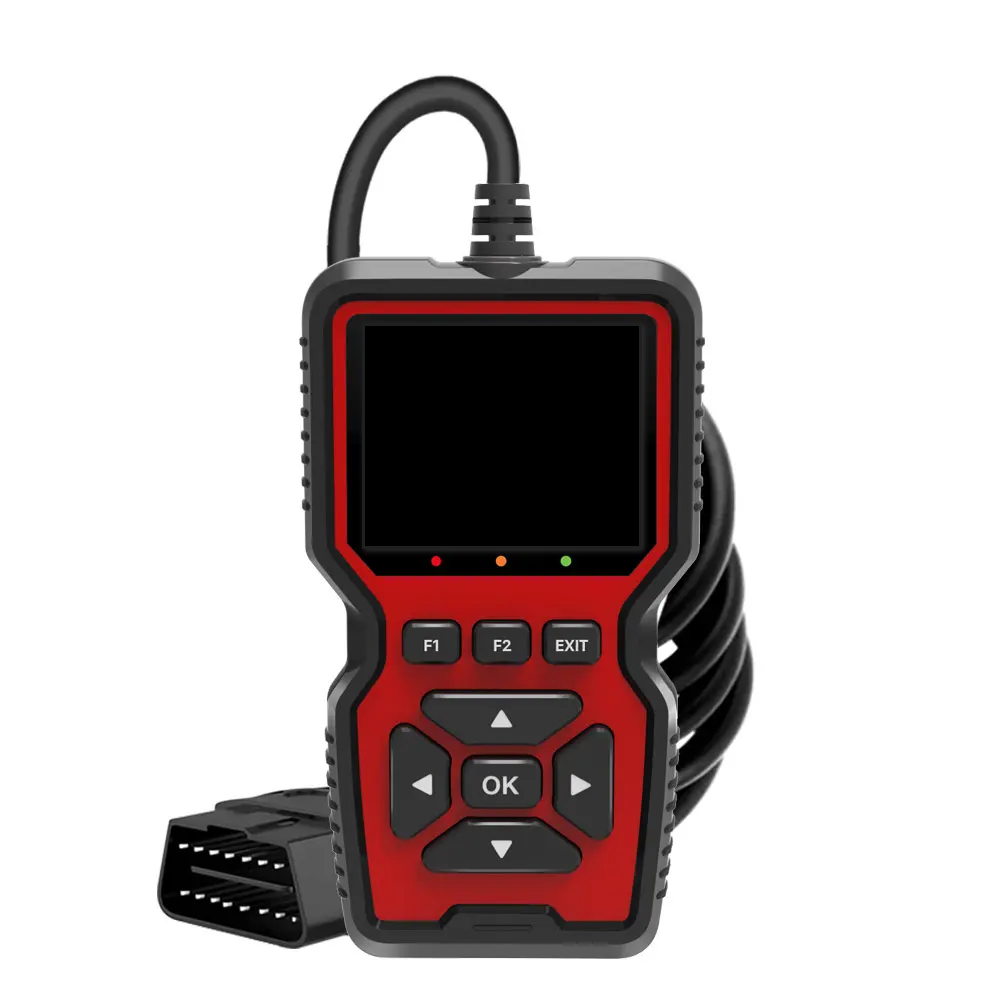
- Retrieve and Record DTCs: Connect an OBD-II scan tool and retrieve all stored DTCs. Confirm B1441 is present. Note any other related codes that might indicate a broader electrical issue. Clear the codes and perform a test drive or activate the wiper system to see if B1441 returns.
- Visual Inspection: Disconnect the vehicle’s battery. Visually inspect the entire wiper mode select switch circuit, starting from the wiper stalk/switch assembly, tracing the wiring harness back to the BCM/GEM. Look for signs of chafing, pinching, corrosion, or any obvious damage to the wiring or connectors. Pay close attention to areas where the harness passes through firewalls or near moving components.
- Wiper Switch Circuit Resistance Test (DMM):
- With the battery disconnected, disconnect the electrical connector from the wiper mode select switch.
- Using a DMM set to ohms, test for continuity (resistance) between the signal wire terminal on the vehicle’s harness side connector and a known good chassis ground. A reading of very low resistance (near 0 ohms) indicates a direct short to ground in the wiring harness between the switch connector and the BCM/GEM. An infinite resistance (OL) suggests the short is either internal to the switch or within the BCM/GEM.
- Wiper Switch Internal Resistance Test (DMM):
- With the wiper switch still disconnected, use the DMM to test the switch itself. Refer to the factory service manual for specific pinouts and expected resistance values for each switch position (e.g., intermittent, low, high, off).
- Test for continuity between the signal output pin(s) of the switch and the ground pin(s) or body of the switch in various positions. A faulty switch with an internal short to ground will show continuity to ground on the signal output pin(s) in an unexpected position or continuously.
- BCM/GEM Input Monitoring (Advanced Scan Tool): If available, use an advanced scan tool capable of live data monitoring. Access the BCM/GEM’s live data stream and monitor the input voltage or status for the wiper mode select switch circuit. Observe how the voltage/status changes when the switch is operated. If the module consistently reports a grounded or extremely low voltage input regardless of switch position, it further confirms a short to ground on the circuit. If the BCM/GEM shows correct input when the switch and wiring are known good, the BCM/GEM itself might be at fault (least likely cause).
Recommended Repairs and Solutions
- Repair or Replace Damaged Wiring: If the visual inspection or DMM tests reveal a short in the wiring harness, the damaged section of the wire should be carefully repaired using appropriate automotive-grade wire and connectors, or the entire sub-harness replaced if damage is extensive. Ensure proper insulation and routing to prevent future recurrence.
- Replace Faulty Wiper Mode Select Switch: If the internal resistance test confirms an internal short within the wiper stalk or switch assembly, replacement of the entire switch unit is necessary. These assemblies are often sold as a complete unit and are not typically repairable.
- Clean or Repair Corroded Connectors: If corrosion is found in any connectors, carefully clean the terminals using electrical contact cleaner and a small brush. If corrosion is severe and has damaged the terminals, the connector or its affected terminals should be replaced. Apply dielectric grease to prevent future corrosion.
- BCM/GEM Replacement: Only consider BCM/GEM replacement as a last resort, after meticulously confirming that the wiper switch and all associated wiring are functioning correctly and free of shorts. BCM/GEM replacement often requires specific programming and calibration procedures, which typically necessitates dealership-level diagnostic equipment.