What Does Code B1448 Mean?
DTC B1448 signifies a detected electrical fault within the Wiper Park Sense Circuit, specifically indicating a short to battery voltage. This code is typically set by the Body Control Module (BCM), or in some vehicle architectures, a dedicated Wiper Control Module (WCM) or Smart Junction Box (SJB), which is responsible for monitoring and controlling the vehicle’s windshield wiper system.
The wiper park sense circuit is crucial for the control module to determine the exact position of the wiper blades, particularly when they are in their fully “parked” or “rest” position at the base of the windshield. A mechanical or Hall-effect switch, often integrated into the wiper motor assembly, provides feedback to the control module. When the wipers are parked, this switch signals the module, typically by providing a ground path or a specific voltage reference.
A “short to battery” condition on this circuit means that the control module is receiving a continuous positive voltage signal (approximately 12V, typical vehicle battery voltage) on the park sense line, even when it should be seeing a ground signal, a lower reference voltage, or an open circuit, depending on the system’s design. The module interprets this abnormal voltage as an erroneous or stuck “parked” signal, or simply as an electrical anomaly that prevents it from accurately tracking the wiper blade position. This leads to diagnostic trouble code B1448 being stored in memory.
Common Symptoms
- Wipers Operate Continuously: The most common symptom is that the windshield wipers will run non-stop, even when the wiper stalk is in the “off” position, as the control module loses the ability to determine their park position.
- Wipers Park in Incorrect Position: Wipers may stop randomly in the middle of the windshield or in an elevated position, rather than returning to their designated rest area.
- Intermittent Wiper Function Inoperative: The intermittent wiper modes will likely not function correctly or at all, as precise parking is critical for this feature.
- Erratic Wiper Operation: Wipers may operate at incorrect speeds, move sluggishly, or exhibit unpredictable behavior.
- No Wiper Operation: In some cases, if the short causes a fuse to blow or the module to enter a failsafe mode, the wipers may not operate at all.
- Battery Drain (less common): A severe short to battery can potentially lead to increased current draw, though typically the circuit is protected by a fuse.
What Causes the Code B1448?
- Damaged Wiring Harness: The most frequent cause. The wiring for the wiper park sense circuit may have chafed, cut, or melted insulation, causing it to come into direct contact with a fused B+ (battery positive) power wire within the vehicle’s harness. This often occurs where the harness passes through firewalls, near sharp edges, or close to moving components.
- Faulty Wiper Motor Assembly: The park switch, which is usually integrated within the wiper motor gearbox assembly, can develop an internal short. This internal fault would send a continuous battery voltage signal through the park sense wire back to the control module.
- Corroded Electrical Connectors: Water intrusion or severe corrosion in the multi-pin connector at the wiper motor, or at the BCM/WCM, can bridge terminals, causing the park sense wire to short to an adjacent battery voltage supply pin.
- Aftermarket Accessory Installation: Improper installation of aftermarket electronics (e.g., remote start, alarm systems, lighting) can inadvertently nick or short factory wiring, including the wiper park sense circuit, to a constant power source.
- Faulty Body Control Module (BCM) or Wiper Control Module (WCM): While less common for a “short to battery” code, an internal fault or short within the control module itself could theoretically cause it to misinterpret the input or generate an internal short, though this is typically a last diagnostic resort.
How to Diagnose and Troubleshoot
Diagnosing B1448 requires a methodical approach, focusing on the electrical integrity of the wiper park sense circuit. Always begin with a thorough visual inspection.
- Visual Inspection:
- Inspect the entire wiring harness leading to the windshield wiper motor. Pay close attention to areas where the harness passes through the firewall, near sharp metal edges, under the cowl, or areas exposed to moisture and road debris. Look for signs of chafing, cuts, melting, or pinch points that could indicate a wire shorted to power.
- Examine the electrical connector at the wiper motor and at the Body Control Module (BCM) or Wiper Control Module (WCM) for signs of corrosion, bent pins, loose terminals, or moisture intrusion.
- Verify the physical condition of the wiper motor assembly for external damage or obvious signs of water ingress.
- OBD-II Scanner Check:
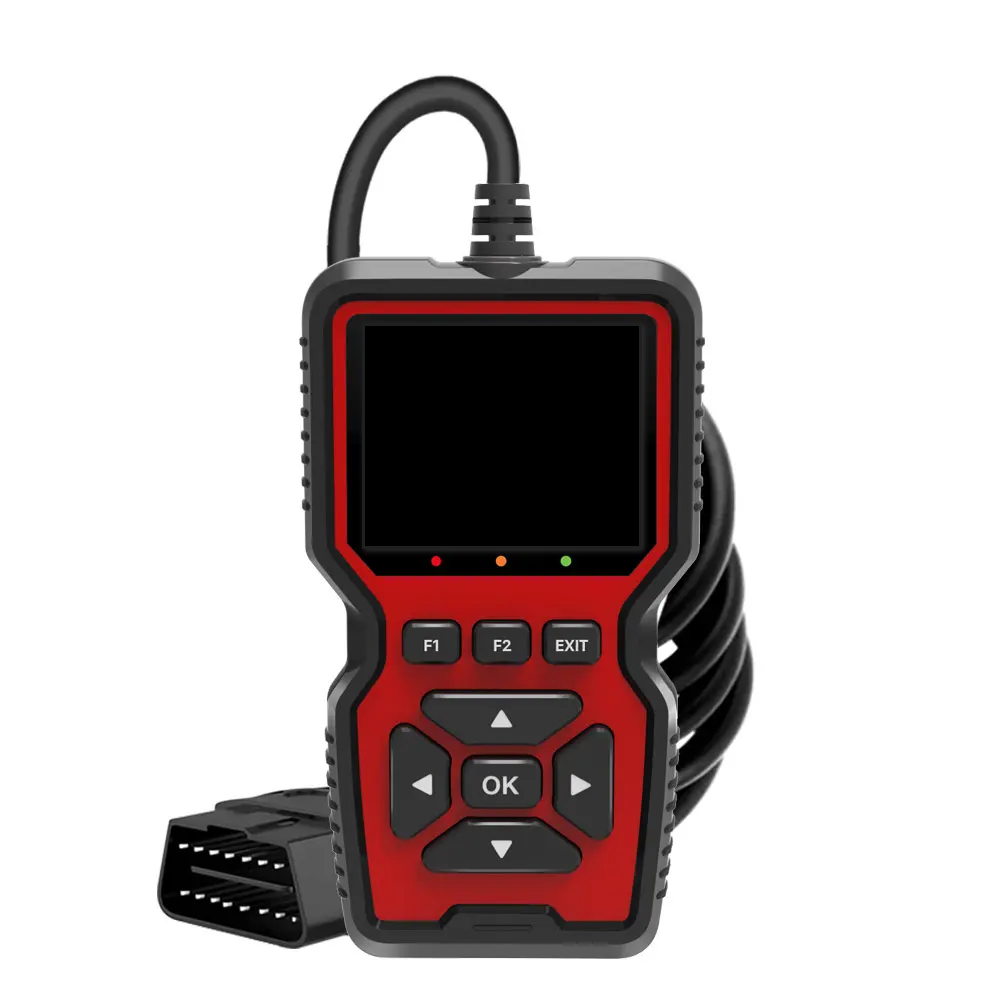
- Connect an OBD-II scanner and read any pending or history codes. Clear the B1448 code and observe if it returns immediately or after attempting to operate the wipers.
- Utilize the scanner’s live data function to monitor the “Wiper Park Sense” or “Wiper Park Switch Status” parameter (if available). While a short to battery might give an erroneous reading, it can provide context. For example, if it consistently shows “Parked” regardless of wiper position, it points to an issue with the park sense signal.
- Digital Multimeter (DMM) Testing:
- Isolate the Circuit: Disconnect the electrical connector at the wiper motor assembly. This isolates the motor and its internal park switch from the vehicle’s wiring harness. If possible, also disconnect the relevant connector at the BCM/WCM to completely isolate the wiring between the components.
- Voltage Check on Wiring Harness: With the ignition OFF and the wiper motor connector disconnected, locate the wiper park sense wire at the harness connector (refer to a vehicle-specific wiring diagram for pinout). Turn the ignition to ON (engine OFF). Use a DMM to measure voltage between the park sense wire terminal and a good chassis ground. If you measure approximately 12V (battery voltage) on this wire when the wipers are commanded OFF/Park, this strongly indicates a short to battery within the vehicle’s wiring harness. This voltage should typically be near 0V or a specific low reference voltage (e.g., 5V) depending on the system’s design when the wipers are not in the park position, or a specific signal voltage when commanded to park.
- Continuity Check for Short to B+: With the battery disconnected and both ends of the park sense circuit disconnected (at motor and BCM), use the DMM in continuity or resistance mode. Check for continuity between the park sense wire and a known B+ (battery positive) wire or a permanent 12V supply wire within the same harness. A reading close to 0 ohms indicates a direct short between the park sense wire and a power source.
- Wiper Motor Park Switch Resistance (if applicable): If the wiring harness tests clear, the fault may be internal to the wiper motor. Consult the service manual for the specified resistance values of the park switch within the wiper motor assembly. With the motor disconnected, measure the resistance across the park switch terminals. Compare to specifications. An internal short would typically show incorrect resistance readings or continuous continuity where there shouldn’t be.
- Wiring Diagram Analysis: Always refer to the vehicle’s specific wiring diagrams to correctly identify the park sense wire, its routing, and its connections to the BCM/WCM and wiper motor. This is critical for accurate testing.
Recommended Repairs and Solutions
Once the source of the short to battery is identified, the appropriate repair can be made:
- Repair or Replace Damaged Wiring: If the diagnosis confirms a shorted wire in the harness, the damaged section of wiring must be repaired. Use proper automotive-grade wiring, soldering techniques, and heat-shrink tubing to ensure a durable and insulated repair. Reroute the wiring if necessary to prevent future chafing or damage. In cases of severe, widespread damage, replacing the entire affected harness section may be more practical.
- Replace Wiper Motor Assembly: If diagnostic testing isolates the fault to the internal park switch within the wiper motor assembly, the entire wiper motor typically needs to be replaced, as the park switch is usually not serviceable separately. Always use an OEM equivalent or a high-quality aftermarket replacement.
- Clean or Repair Corroded Connectors: If corrosion at the connectors is found to be bridging terminals and causing the short, clean the terminals thoroughly using an appropriate electrical contact cleaner and a small wire brush. If pins are severely damaged or corroded, the connector may need to be replaced. Apply dielectric grease to the terminals during reassembly to prevent future corrosion.
- Address Aftermarket Wiring: If aftermarket accessory wiring is implicated, disconnect the accessory and re-test. If the code clears, properly repair any damaged factory wiring and correctly install the aftermarket accessory, ensuring proper insulation and fusing.
- Replace Control Module (Last Resort): Only if all other components and wiring have been thoroughly tested and confirmed to be good, and there’s strong evidence of an internal module fault, should the BCM or WCM be considered for replacement. This often requires programming or calibration with a specialized diagnostic tool after installation.
Mechanic’s Tips:
- Always disconnect the vehicle’s battery before performing extensive electrical testing to prevent accidental short circuits or damage to sensitive electronic components.
- After any repair, clear the DTC B1448, operate the wipers through all their settings (low, high, intermittent, washer, and park), and recheck for codes to ensure the repair is successful and the system is functioning correctly.
- Pay attention to any related DTCs that may be stored, as they could provide additional clues or point to a shared failure point.