What Does Code B1447 Mean?
DTC B1447 signifies an ‘Open Circuit’ condition detected within the wiper park sense circuit. This circuit is integral to the proper operation of the vehicle’s front or rear wiper system, depending on the specific application (front wipers are most common). The wiper park sense switch, typically integrated within the wiper motor assembly, provides critical feedback to the Body Control Module (BCM) or a dedicated Wiper Control Module (WCM). Its primary function is to signal when the wiper arms have reached their fully parked or ‘home’ position at the bottom of the windshield. When the BCM/WCM detects an absence of this expected signal – indicating a loss of electrical continuity (an open circuit) – it interprets this as a fault in the park sense circuit, triggering code B1447. This diagnostic trouble code directly impacts the module’s ability to precisely control wiper arm parking, leading to erratic or non-functional wiper behavior. The code is typically stored in the BCM or WCM and is accessible via an OBD-II scanner, though it pertains to a body electrical system rather than the powertrain.
Common Symptoms
- Wipers Not Parking Correctly: The most common symptom, where the wiper arms stop in a random position on the windshield instead of their designated park position.
- Wipers Operating Continuously: Wipers may run without stopping, even when the multi-function switch is in the ‘off’ position.
- Intermittent Wiper Malfunction: The intermittent or delay function may cease to operate, with wipers either running continuously or not at all.
- Wipers Stop Mid-Sweep: In some cases, the wipers might stop abruptly in the middle of their sweep when turned off.
- No Wiper Function: Less common, but a severe open circuit could potentially lead to complete loss of wiper operation.
What Causes the Code B1447?
- Faulty Wiper Park Sense Switch: The park sense switch itself, often an internal component of the wiper motor, can fail mechanically or electrically, causing a permanent open condition.
- Open or Damaged Wiring: A break, fray, or severe corrosion in the wiring harness connecting the wiper park sense switch to the BCM/WCM is a very common cause. This includes issues at connector pins.
- Corroded or Loose Electrical Connectors: Poor electrical contact at the multi-pin connector for the wiper motor or at the BCM/WCM due to corrosion, contamination, or improper seating.
- Faulty Wiper Motor Assembly: Since the park switch is usually integrated, an internal failure within the wiper motor assembly that affects the switch circuit can trigger this code.
- Faulty Body Control Module (BCM) or Wiper Control Module (WCM): While less common, an internal fault within the control module responsible for monitoring the park sense input can falsely register an open circuit.
How to Diagnose and Troubleshoot
Diagnosing B1447 requires a methodical approach, focusing on electrical continuity and component functionality:
- Perform a Thorough Visual Inspection: Begin by carefully inspecting the entire wiper system. Check the wiper motor, its electrical connector, and the visible portion of the wiring harness leading to the BCM/WCM for any signs of damage, chafing, corrosion, or loose connections. Pay close attention to areas where wiring passes through firewalls or pinch points.
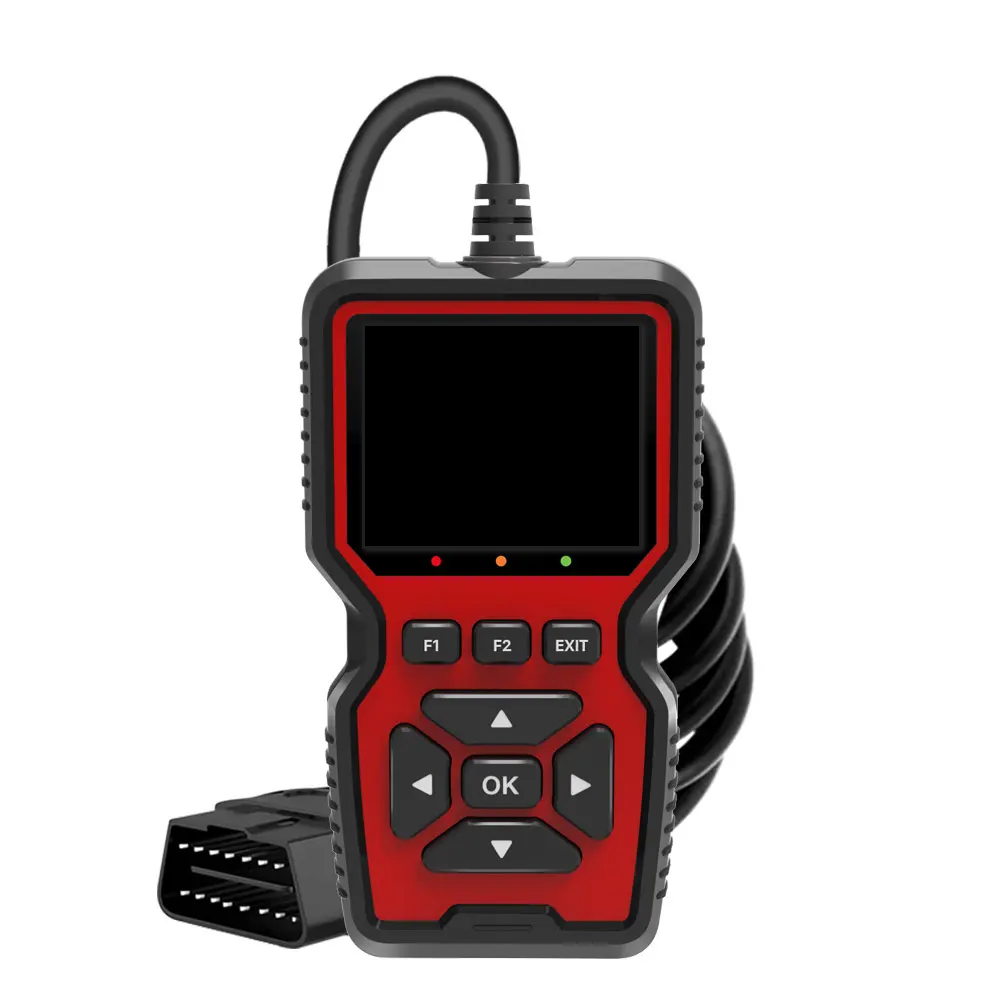
- Utilize an OBD-II Scanner: Connect a diagnostic scanner to confirm B1447 is present. Check for any other related codes that might point to a broader electrical issue. If available, access live data streams for the BCM/WCM to observe wiper switch inputs and, if supported, the status of the park sense switch signal.
- Perform Power and Ground Verification: Disconnect the wiper motor electrical connector. Using a Digital Multimeter (DMM), verify that the wiper motor receives proper power (B+ voltage) and ground at the appropriate terminals as per the vehicle’s wiring diagram. An absence of power or ground could indirectly affect the park switch circuit’s ability to operate.
- Test Park Sense Circuit Continuity:
- Isolate the Circuit: With the wiper motor connector disconnected, locate the wire designated for the park sense signal using the vehicle’s wiring diagram.
- Test Harness Continuity: Place one lead of the DMM on the park sense wire terminal at the wiper motor connector (harness side). Place the other DMM lead on the corresponding park sense input terminal at the BCM/WCM connector (after disconnecting it from the module). The DMM should read very low resistance (near 0 ohms), indicating good continuity. A high resistance or ‘OL’ (open loop) reading indicates an open circuit in the wiring harness.
- Test Park Switch Functionality (Motor Side): With the wiper motor connector still disconnected from the harness, connect one DMM lead to the park sense signal terminal on the wiper motor itself. Connect the other DMM lead to a known good ground point on the motor housing or vehicle chassis. Manually move the wiper linkage arm (or rotate the motor shaft) through its full range of motion. The DMM should show continuity (low resistance to ground) when the wipers are in the park position and an open circuit (high resistance/OL) when they are out of the park position. If it always reads open, the park switch is faulty.
- Inspect BCM/WCM Connector Pins: Carefully inspect the pins at the BCM/WCM connector for corrosion, bending, or damage that could prevent proper contact with the park sense input wire.
Recommended Repairs and Solutions
Based on the diagnostic findings, the following repairs are typically recommended:
- Repair or Replace Damaged Wiring/Connectors: If an open circuit is identified in the wiring harness, the most direct solution is to repair the specific section of damaged wire using appropriate splicing techniques (e.g., solder and heat shrink) or to replace the entire damaged section of the harness. Clean and repair any corroded or loose electrical connectors. Ensure secure and weather-tight connections.
- Replace Wiper Motor Assembly: In most modern vehicles, the wiper park sense switch is an integral component of the wiper motor assembly. If testing indicates a faulty park switch within the motor, the entire wiper motor assembly will need to be replaced. Opt for a high-quality OEM or reputable aftermarket replacement to ensure proper fitment and functionality.
- Replace Wiper Park Switch (if separate): In some older or specific vehicle designs, the park sense switch might be a separate, serviceable component. If this is the case and it is confirmed faulty, replacing just the switch might be possible, but this is increasingly rare.
- Replace Body Control Module (BCM) or Wiper Control Module (WCM): This should be considered a last resort, only after thoroughly ruling out all wiring and wiper motor/switch-related issues. If the BCM/WCM is determined to be faulty, replacement is required. Be aware that module replacement often necessitates reprogramming or configuration using specialized diagnostic tools.
- Post-Repair Verification: After any repair, clear the DTC B1447 from the system memory. Operate the wipers through all speeds, intermittent settings, and turn them off multiple times to ensure they park correctly and the code does not return. Monitor live data if possible to confirm the park sense signal is now correctly registered by the control module.