What Does Code B1446 Mean?
DTC B1446 signifies a fault within the Wiper Park Sense Circuit. This code is typically set by the Body Control Module (BCM) or, in some older vehicles, the General Module (GM) which is responsible for managing various body electrical functions, including the windshield wiper system. The wiper park sense circuit is a critical component that provides feedback to the BCM/GM regarding the precise position of the wiper blades, specifically confirming when they have reached their fully parked (off-screen) position. This circuit usually consists of a dedicated switch or a Hall effect sensor integrated directly into the wiper motor assembly. When the BCM/GM activates the wipers and subsequently commands them to stop, it expects to receive a specific signal state (e.g., a voltage change or ground signal) from the park sense circuit once the blades are at rest. If the BCM/GM does not detect this expected signal within a specified timeframe, or if the signal is constantly stuck in an incorrect state (always high, always low, or open circuit), it interprets this as a circuit failure and sets code B1446. This directly impacts the system’s ability to precisely control wiper blade positioning, leading to various operational anomalies.
Common Symptoms
- Wipers Do Not Park Correctly: The most prevalent symptom is that the wiper blades fail to return to their designated park position, stopping mid-sweep, in random positions on the windshield, or remaining in a partially raised state.
- Continuous Wiper Operation: Wipers may continue to operate on a continuous or intermittent basis even when the multi-function switch is in the “OFF” position.
- Erratic Intermittent Wiper Function: The intermittent delay settings may become unreliable, operating at incorrect intervals or not at all.
- Failure of Washer Fluid Cycles: When the windshield washer is activated, the wipers may not perform the expected number of sweeps after the fluid is sprayed.
- Inoperative Rain-Sensing Wipers: If the vehicle is equipped with an automatic rain-sensing system, this functionality may be completely disabled or operate erratically.
- Uncommanded Wiper Activation: In rare cases, wipers may activate seemingly on their own without input from the driver.
What Causes the Code B1446?
- Faulty Wiper Motor Assembly: The most common cause is a failure of the integrated park switch or Hall effect sensor located within the wiper motor itself. These components can wear out or become damaged internally.
- Damaged or Corroded Wiring/Connectors: An open circuit, short to ground, or short to power in the wiring harness connecting the wiper motor to the BCM/GM can prevent the park sense signal from being properly transmitted. Corrosion, frayed wires, or loose/damaged terminals in the connector are frequent culprits.
- Mechanical Wiper Linkage Issues: While not a direct circuit failure, binding or excessive friction in the wiper linkage system can prevent the wiper arms from fully reaching the park position, which in turn might not allow the park switch to properly actuate, indirectly causing the code.
- Faulty Body Control Module (BCM) / General Module (GM): Although less common, an internal fault within the BCM/GM that monitors the park sense signal could lead to misinterpretation of the circuit status and the setting of B1446. This should typically be diagnosed as a last resort.
How to Diagnose and Troubleshoot
A systematic approach is crucial for accurately diagnosing B1446:
- Initial Visual Inspection: Begin by thoroughly inspecting the entire wiper system. Check the wiper arms and blades for any obstructions or signs of binding. Examine the wiper motor and its electrical connector for obvious signs of damage, corrosion, or loose connections. Follow the wiring harness from the wiper motor to the firewall, looking for any pinched, cut, or abraded sections.
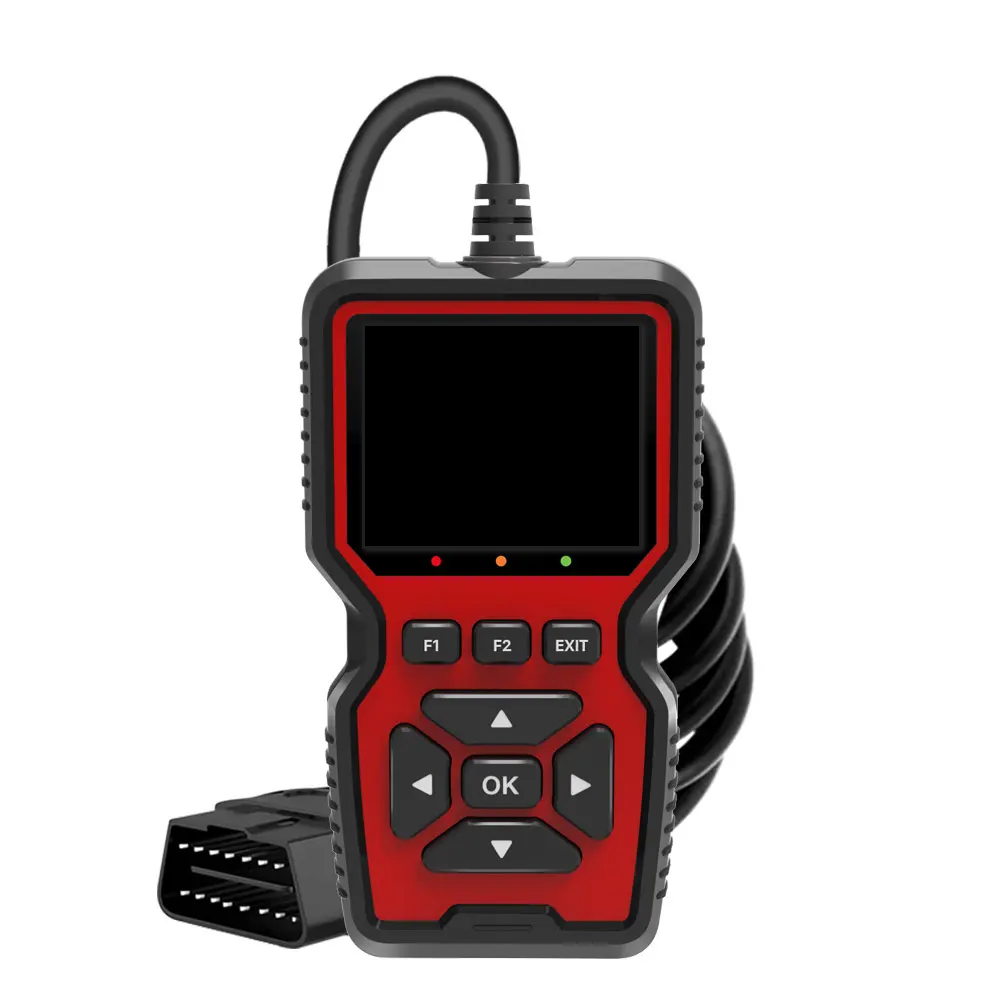
- Retrieve Freeze Frame Data: Connect an OBD-II scan tool and retrieve any stored freeze frame data associated with B1446. This data captures the operating conditions (e.g., vehicle speed, BCM voltage, wiper switch position) at the moment the code was set, which can provide valuable diagnostic context. Clear the code and retest to see if it immediately returns.
- Wiper System Functional Test: Manually operate the wipers through all available modes (low, high, intermittent, and off). Observe their behavior closely, noting if they park correctly, operate continuously when switched off, or exhibit erratic movement. Activate the windshield washer to observe the wiper response.
- Wiper Motor Park Sense Circuit Testing with DMM:
- Consult Wiring Diagram: Obtain a vehicle-specific wiring diagram for the wiper system. Identify the wires for power, ground, and specifically the park sense signal at the wiper motor connector.
- Disconnect Wiper Motor: With the ignition OFF, disconnect the electrical connector from the wiper motor.
- Check for Reference Voltage/Ground: With the ignition ON, use a Digital Multimeter (DMM) to check for proper power (e.g., battery voltage or 5V reference) and ground at the appropriate pins of the harness-side connector (not the motor side). This ensures the BCM/GM is supplying power to the circuit.
- Test Park Switch/Sensor (Motor Side): Reconnect the motor. Identify the park sense signal wire. With the ignition ON, use the DMM to back-probe the park sense wire at the wiper motor connector. Manually move the wiper arm through its full sweep. As the wiper arm approaches and enters the park position, the DMM reading on the park sense wire should toggle between two distinct states (e.g., high voltage to low voltage, or vice versa, depending on the circuit design). If the signal remains constant, or is open (no reading), the park switch/sensor within the motor is likely faulty.
- Check for Wiring Integrity: If the park switch tests correctly at the motor, disconnect the battery. Then, disconnect the harness connector at the BCM/GM and the wiper motor. Use the DMM to check for continuity on the park sense wire from the wiper motor connector to the BCM/GM connector. Also, check for unintended shorts to ground or power on this wire.
- BCM/GM Input Monitoring (Advanced): If the wiring and wiper motor park switch appear to be functioning correctly, a factory-level scan tool may allow for real-time monitoring of the park sense circuit input directly at the BCM/GM. If the BCM/GM reports an incorrect input despite the DMM tests showing a proper signal, it may indicate an internal BCM/GM fault.
Recommended Repairs and Solutions
Based on the diagnostic findings, the following repairs are typically recommended:
- Replace the Wiper Motor Assembly: This is the most common and often the most effective solution for B1446, especially if DMM tests confirm a faulty internal park switch or sensor. Ensure the replacement motor is a direct fit and meets OEM specifications.
- Repair or Replace Damaged Wiring/Connectors: If the diagnostic process identifies an open circuit, short, or severe corrosion in the wiring harness or connectors, perform professional wiring repairs. Use solder and heat-shrink tubing for robust connections, and replace damaged connector housings or terminals as needed. Always use appropriate gauge wiring for repairs. After repair, apply dielectric grease to connectors to prevent future corrosion.
- Address Wiper Linkage Mechanical Issues: If inspection reveals binding or excessive friction in the wiper linkage, repair or replace the affected components (e.g., pivots, bushings, arms). While this may not directly fix a “circuit failure,” ensuring smooth mechanical operation is vital for the park switch to function correctly.
- Replace the Body Control Module (BCM) / General Module (GM): Only consider BCM/GM replacement after exhaustively ruling out all other possibilities, as this is typically an expensive and complex repair. BCM/GM replacement almost always requires specialized programming or “marrying” to the vehicle’s immobilizer system, which usually necessitates a factory-level scan tool or dealer service.
- Clear DTCs: After any repair, clear the diagnostic trouble code from the BCM/GM memory using an OBD-II scanner. Perform a thorough functional test of the wiper system to confirm the repair is successful and the code does not return.