What Does Code B1474 Mean?
DTC B1474 indicates a fault within the Battery Saver Power Relay Circuit, specifically detecting a Short To Battery. This code is typically set by the Body Control Module (BCM), Instrument Cluster Control Module (ICCM), or in some vehicle architectures, the Powertrain Control Module (PCM), which monitors and controls the vehicle’s “battery saver” functions. The battery saver system is designed to prevent excessive discharge of the vehicle’s 12V battery by automatically deactivating certain non-essential electrical accessories (such as the radio, interior lights, power windows, or accessory power outlets) after a set period following the ignition being turned off and the key removed, or after a specific voltage drop is detected.
When code B1474 is triggered, the control module has detected that the battery saver power relay circuit, whether the control side or the load side, is continuously receiving battery voltage (B+) when it should not be. This suggests that the circuit is “shorted” directly to a constant B+ supply, bypassing the intended control logic of the relay or the module. The module interprets this unexpected high voltage as an electrical anomaly, indicating that the battery saver relay cannot properly open the circuit to disconnect power to the controlled accessories, thus defeating the battery saver function.
Common Symptoms
- Constant Operation of Accessories: Electrical accessories typically controlled by the battery saver function (e.g., radio, interior lights, power windows, accessory power outlets) remain active even after the ignition is turned off and the key is removed.
- Battery Drain/Dead Battery: Due to accessories remaining constantly powered, the vehicle’s battery may experience parasitic drain, leading to a discharged or dead battery, especially after the vehicle has been parked for some time.
- Malfunctioning or Erratic Accessory Behavior: Affected accessories may not behave as expected, failing to turn off or responding incorrectly to control inputs.
- Warning Lights: While less direct, dashboard warning lights related to battery or electrical system issues might illuminate.
What Causes the Code B1474?
- Faulty Battery Saver Power Relay: The most common cause is an internal fault within the relay itself, where the contacts may be stuck in the closed position or an internal short exists, causing it to continuously pass power regardless of the control signal from the module.
- Wiring Harness Short to Battery Positive (B+): The wiring leading to or from the battery saver power relay (either the control circuit from the module or the switched power circuit to the accessories) may be chafed, pinched, or otherwise damaged, causing it to make direct contact with a constant 12V B+ wire or component.
- Corrosion or Water Intrusion: Water ingress or severe corrosion within the fuse box, relay block, or connector housing can create an unintended electrical path (a “short”) between the battery saver circuit and a constant B+ source.
- Faulty Control Module (BCM/PCM/ICCM): Less frequently, the control module responsible for operating the battery saver relay may have an internal fault, causing it to continuously supply voltage to the relay’s control circuit or misinterpret voltage feedback, leading to the short-to-battery condition.
How to Diagnose and Troubleshoot
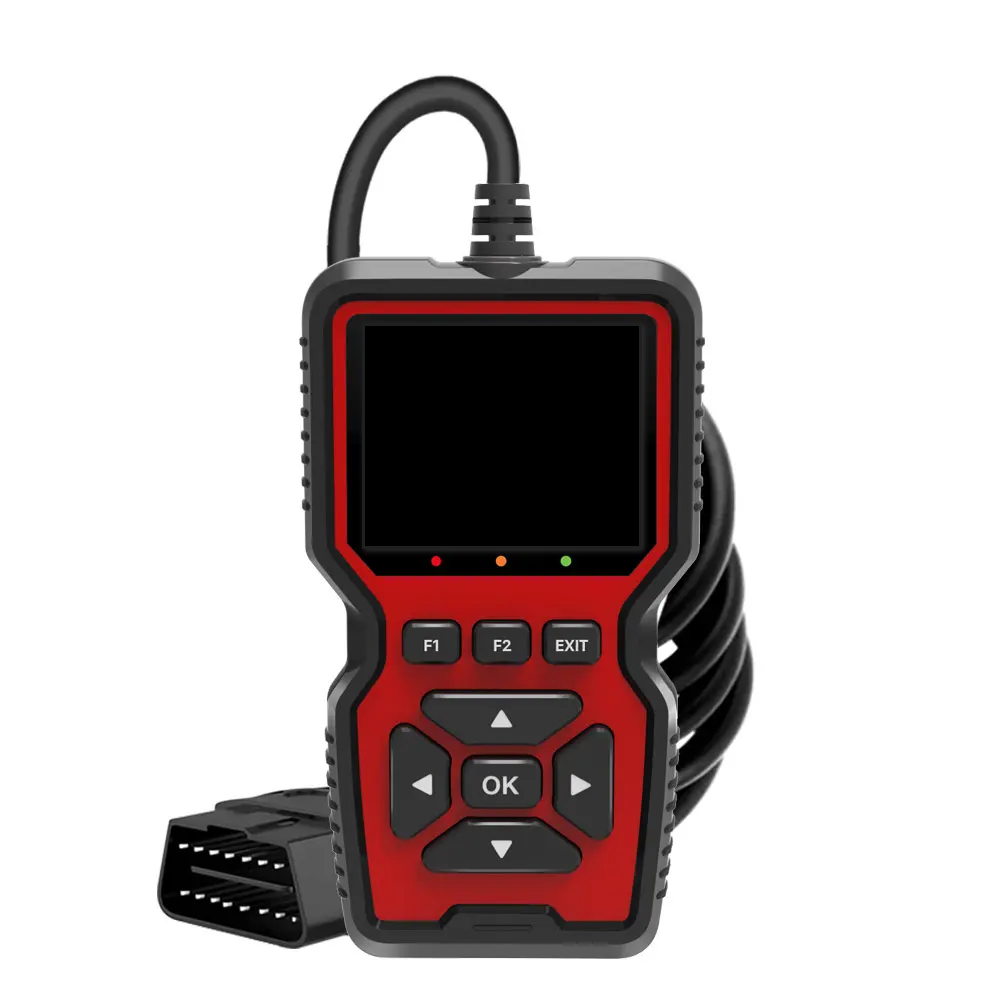
Diagnosing B1474 requires a systematic approach using a Digital Multimeter (DMM) and an OBD-II scanner.
- Retrieve and Verify DTCs: Connect an OBD-II scanner to confirm B1474 is present. Check for any other related codes that might point to a broader electrical system issue.
- Visual Inspection:
- Locate the battery saver power relay, typically found in the underhood fuse box or an interior fuse/relay panel. Consult a vehicle-specific wiring diagram for exact location.
- Inspect the relay, its socket, and the surrounding wiring harness for any signs of physical damage, chafing, corrosion, or water intrusion. Pay close attention to areas where wiring passes through firewalls or near sharp edges.
- Check the condition of the connectors for the control module (BCM/PCM/ICCM) that manages the battery saver function for corrosion or loose pins.
- Test the Battery Saver Power Relay:
- Remove the relay from its socket.
- Using a DMM, check for continuity across the load terminals (typically pins 30 and 87) of the relay. There should be no continuity (open circuit) when the relay is de-energized. If continuity exists, the relay is internally shorted or stuck closed and should be replaced.
- Apply 12V battery voltage to the relay’s coil terminals (typically pins 85 and 86). You should hear an audible “click,” and continuity should now be present across pins 30 and 87. If not, the relay is faulty.
- Measure the resistance across the coil terminals (85 and 86). Refer to vehicle specifications, but typically this should be in the range of 60-120 ohms. An open circuit or extremely low resistance indicates a faulty coil.
- Circuit Voltage and Continuity Checks (with DMM):
- With the relay removed:
- Identify the constant B+ terminal in the relay socket (usually pin 30). Confirm it has battery voltage with the ignition off.
- Identify the switched output terminal (usually pin 87). With the ignition off and the relay removed, there should be no voltage on this terminal. If there is, it indicates a short to B+ further down the circuit or within an attached component.
- Identify the control circuit terminals (usually pins 85 and 86). One is typically a ground, and the other receives the control signal from the module. With the ignition off, check for any unintended B+ voltage on the control signal wire from the module. It should be near 0V.
- Check for wiring short to B+: If voltage is present on pin 87 or the control signal wire when it shouldn’t be, disconnect the control module. Use the DMM to check for continuity between the suspect wire (from the relay socket) and a known constant B+ source or another B+ wire in the harness. A reading near 0 ohms indicates a short.
- With the relay removed:
- Parasitic Draw Test: If the battery saver function is compromised, there will likely be a parasitic draw.
- Disconnect the negative battery cable.
- Connect an ammeter in series between the negative battery post and the negative battery cable.
- With all vehicle systems off and doors closed (allowing modules to “go to sleep”), observe the current draw. It should drop to a very low mA range (typically under 50mA, consult vehicle specs). An excessively high draw indicates a continuous load, consistent with a shorted battery saver circuit.
Recommended Repairs and Solutions
Once the root cause of B1474 has been pinpointed, the appropriate repair can be performed:
- Replace the Battery Saver Power Relay: If diagnostic steps confirm that the relay itself is internally faulty (e.g., stuck closed, open coil, or internal short), replace it with a new, OEM-specification relay.
- Repair or Replace Damaged Wiring: If the wiring harness is found to be shorted to B+, repair the damaged section using proper automotive wiring repair techniques (e.g., soldering, heat-shrink tubing, appropriate gauge wire). Ensure the repair is adequately insulated to prevent future shorts. If the damage is extensive, consider replacing the entire harness section.
- Clean Connectors and Relay Socket: If corrosion was identified as the culprit, thoroughly clean the affected terminals and connectors using an electrical contact cleaner and a small brush. Apply dielectric grease to prevent future corrosion upon reassembly.
- Replace the Faulty Control Module: If all other components (relay, wiring, and associated accessories) test good, and the control module is consistently commanding the relay to be “on” when it should be off, or incorrectly detecting voltage, the BCM/PCM/ICCM may need replacement. This is typically a last resort due to the cost and complexity of programming a new module.
- Clear DTCs and Retest: After any repair, use an OBD-II scanner to clear the B1474 code and any other stored codes. Operate the vehicle for a drive cycle and perform several ignition off/on cycles to ensure the battery saver function is operating correctly and the code does not return. Monitor live data for the battery saver circuit if available.