What Does Code B1473 Mean?
DTC B1473 indicates a malfunction within the low-speed control circuit of the windshield wiper motor assembly. This code is typically set by the vehicle’s Body Control Module (BCM) or a dedicated Wiper Control Module (WCM), which is responsible for monitoring the operational status and electrical integrity of the wiper system. When the module commands the wiper motor to operate at its low-speed setting, it expects to see a specific electrical load, voltage drop, or current draw within that circuit, commensurate with normal motor operation. If the module detects an anomaly such as an open circuit (no current flow), a short to ground, a short to voltage, or an excessively high resistance within the low-speed circuit path, it will interpret this as a circuit failure and register the B1473 code. This prevents the motor from receiving the necessary power or control signal to operate correctly in low-speed mode, or it signifies an internal motor fault specific to its low-speed winding or commutator segment.
Common Symptoms
- Windshield wipers do not operate at low speed, but may function normally at high speed or intermittently.
- Windshield wipers operate erratically or intermittently when commanded to low speed.
- Wipers may remain stationary in the parked position or become stuck mid-sweep when low speed is selected.
- Blowing of the wiper system fuse, particularly when low speed is attempted, indicating a potential short circuit.
- Audible clicking from the wiper motor or relay without corresponding wiper movement.
What Causes the Code B1473?
- Internal Fault within the Windshield Wiper Motor Assembly: This is the most common cause, involving a failure of the low-speed windings, worn brushes, a faulty commutator, or internal shorting specific to the low-speed operation.
- Damaged Wiring Harness: An open circuit, short to ground, or short to voltage in the low-speed control wire or power supply wire between the BCM/WCM and the wiper motor. This could be due to chafing, corrosion, or physical damage.
- Corroded or Loose Electrical Connectors: High resistance or intermittent contact at the wiper motor connector or the relevant control module connector can disrupt proper current flow.
- Seized Wiper Linkage/Transmission: Although not a direct electrical fault, excessive mechanical binding or seizing of the wiper arm pivots and linkage can cause the wiper motor to draw excessive current, leading to premature motor failure or triggering the control module’s circuit protection for the low-speed circuit.
- Faulty Wiper Switch/Stalk: Less common for a circuit fault code, but a defective switch could intermittently fail to send the correct low-speed command signal, or introduce resistance into the control circuit.
- Faulty Body Control Module (BCM) or Wiper Control Module (WCM): An internal defect within the module responsible for controlling and monitoring the wiper low-speed circuit can lead to incorrect voltage output or erroneous fault detection. This is typically a less frequent cause.
How to Diagnose and Troubleshoot
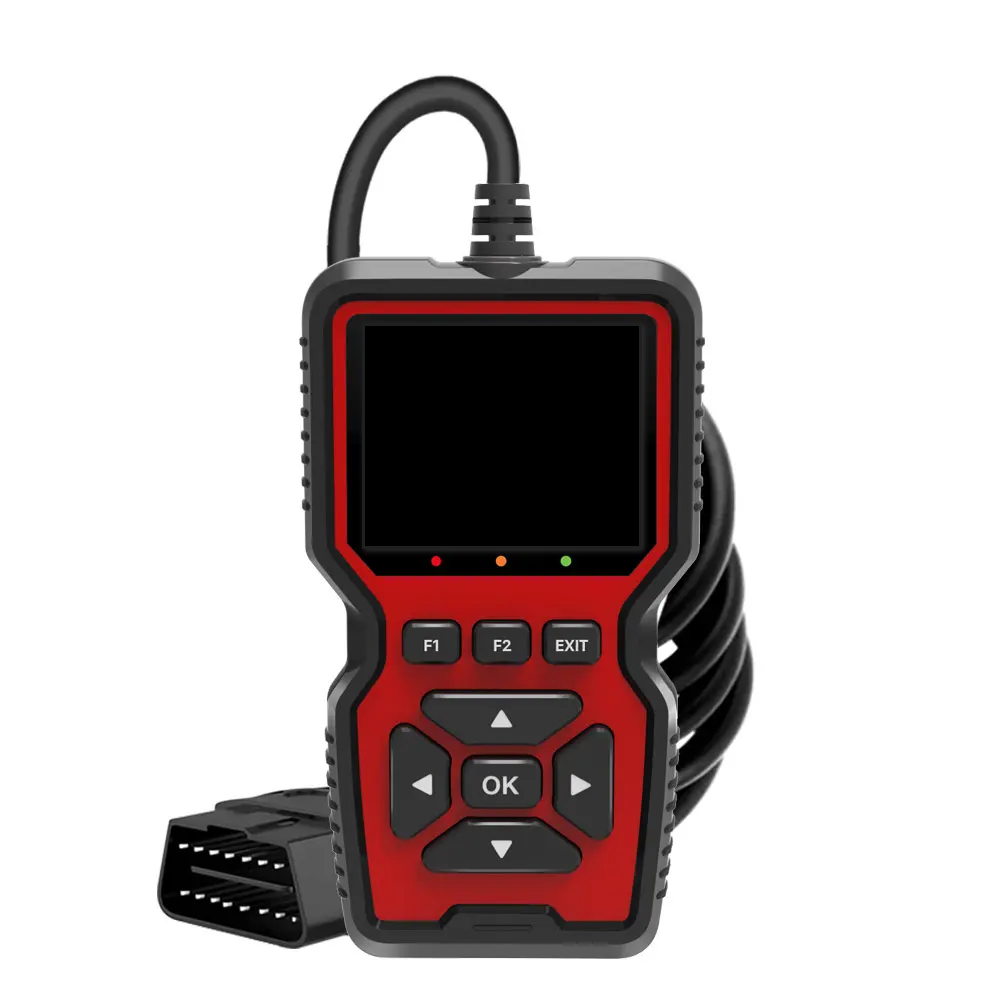
Diagnosing B1473 requires a methodical approach, utilizing a digital multimeter (DMM) and a capable OBD-II scan tool, along with careful visual inspection.
- Visual Inspection: Begin by thoroughly inspecting the entire windshield wiper system. Check the wiper motor assembly for visible damage or corrosion. Examine the wiring harness from the motor back to the firewall and into the cabin, looking for chafing, cuts, or pinched wires. Pay close attention to the electrical connectors at the wiper motor and any intermediate harness connectors for signs of corrosion, bent pins, or loose connections. Manually move the wiper arms to check for any binding or stiffness in the linkage mechanism. Verify the integrity of relevant fuses for the wiper system in both the under-hood and interior fuse boxes.
- Scan Tool Analysis: Connect an advanced OBD-II scan tool capable of accessing BCM/WCM data. Check for any additional related DTCs. Access live data parameters for the wiper system, if available. Monitor the status of the wiper switch inputs (off, intermittent, low, high) to confirm the BCM/WCM is correctly receiving the low-speed command. If the vehicle supports bidirectional controls, attempt to command the wiper motor to low speed directly through the scan tool to bypass the switch and test the module’s output.
- Wiper Motor Circuit Testing with DMM:
- Power and Ground at Motor Connector: Disconnect the electrical connector at the wiper motor. Using a DMM, back-probe or use appropriate test leads to measure voltage on the low-speed power supply wire when the wiper switch is set to low speed. Expect to see battery voltage (approximately 12V). Simultaneously, verify the ground circuit continuity at the motor connector by measuring resistance between the ground pin and a known good chassis ground (expect less than 5 ohms). Repeat for high-speed power to compare.
- Load Testing the Power and Ground Circuits: A simple voltage test may not reveal a weak circuit. Use a test light or an incandescent headlight bulb connected between the power wire and ground wire (or individually, between power and chassis ground, and ground and battery positive) for the low-speed circuit. If the bulb glows brightly, the circuit can supply adequate current. If dim or non-existent, there’s high resistance in the wiring or a module output issue.
- Wiper Motor Resistance Test: With the wiper motor disconnected from the vehicle harness, measure the internal resistance of the motor’s low-speed windings. Consult service information for the vehicle-specific resistance values. An “OL” (open loop) reading or a significantly higher resistance than specified indicates an internal motor fault.
- Wiring Harness Continuity and Short Testing: With the battery disconnected and relevant modules isolated, use a DMM in continuity mode to test the low-speed control wire from the BCM/WCM connector to the wiper motor connector. Look for open circuits. Then, test for shorts to ground (between the low-speed wire and chassis ground) and shorts to power (between the low-speed wire and any other battery voltage wire) along the harness.
- Wiper Switch Testing: If all wiring and motor tests prove inconclusive, test the wiper switch. Refer to the vehicle’s wiring diagram for specific pinouts and resistance or voltage values for each switch position. A faulty switch could intermittently prevent the low-speed signal from being sent to the BCM/WCM.
Recommended Repairs and Solutions
Once the diagnostic steps have pinpointed the root cause, the following repairs are typically recommended:
- Replace the Windshield Wiper Motor Assembly: If diagnostic tests confirm an internal fault within the motor itself, such as an open low-speed winding or excessive internal resistance, replacing the entire wiper motor assembly is the most effective solution. Ensure the replacement part is an exact fit for the vehicle’s make, model, and year.
- Repair or Replace Damaged Wiring Harness: If damaged, corroded, or shorted wiring is identified, repair the affected section using proper automotive wiring repair techniques (e.g., soldering with heat shrink, using OEM-style connectors). If extensive damage is present, replacing the entire relevant harness section may be necessary.
- Clean and Secure Electrical Connectors: For issues related to high resistance or intermittent contact at connectors, disconnect, clean the terminals with electrical contact cleaner, and apply dielectric grease before re-securing them. Inspect for bent or splayed pins and correct as needed.
- Lubricate or Replace Seized Wiper Linkage: If the wiper linkage or arm pivots are found to be seized or excessively stiff, disassemble, clean, and lubricate the components. In cases of severe corrosion or damage, replace the entire linkage assembly. Addressing mechanical binding is crucial to prevent premature failure of a new wiper motor.
- Replace the Wiper Switch/Stalk: If diagnostic procedures conclusively indicate an internal fault within the wiper switch preventing the low-speed command, replace the switch assembly.
- Replace Body Control Module (BCM) or Wiper Control Module (WCM): This should be considered a last resort, only after all other potential causes (motor, wiring, connectors, switch, mechanical linkage) have been thoroughly eliminated. BCM/WCM replacement often requires programming or coding to the vehicle using specialized factory diagnostic tools.
After any repair, clear the DTCs with a scan tool and perform a comprehensive functional test of the wiper system at all speeds and modes to ensure the problem is resolved and the B1473 code does not reappear.