What Does Code B1453 Mean?
DTC B1453 signifies a detected malfunction within the windshield wiper wash/delay switch circuit, specifically indicating a short circuit to ground. This diagnostic trouble code is typically set by the Body Control Module (BCM), or in some vehicle architectures, a dedicated General Electronic Module (GEM) or Smart Junction Box (SJB), which is responsible for monitoring and controlling various body electrical functions, including the wiper and washer system. The BCM continuously monitors the voltage potential and resistance values on the input circuit from the multi-function switch (often integrated into the steering column stalk). When the switch is in a position other than “off” (or when “off” is selected but an unintended circuit is completed) and the BCM detects an uncommanded voltage drop to ground, or a resistance value that falls below the specified threshold for any given switch position, indicating an unintended ground path, it interprets this as a short to ground and stores code B1453 in its memory. This affects the operational integrity of the windshield wiper and washer system’s control inputs.
Common Symptoms
- Wipers operate continuously at a single speed (e.g., high speed) regardless of switch position.
- Wipers do not operate at all or operate erratically.
- Windshield washer fluid sprays continuously or when not commanded.
- Intermittent wiper function (delay) is inoperative or inconsistent.
- Other functions integrated into the multi-function switch (e.g., turn signals, high beams) may also be affected or inoperative if the short is internal to the switch.
- Battery drain, especially if the short is constant and drawing current.
- Illumination of a malfunction indicator lamp (MIL) or a specific body/electrical system warning light on the instrument cluster, depending on vehicle manufacturer implementation.
What Causes the Code B1453?
- Faulty Multi-Function Switch: An internal short circuit within the wiper wash/delay switch assembly itself, often due to wear, contamination, or physical damage.
- Damaged Wiring Harness: Chafed, pinched, or abraded wiring insulation in the wiper switch circuit, leading to direct contact with a grounded chassis component or another ground path. Common areas include the steering column, firewall pass-through, or under the dashboard.
- Corroded or Damaged Connector: Corrosion or physical damage within the multi-function switch connector or its associated wiring harness connector, creating an unintended short to ground. Water intrusion is a common cause of such damage.
- Improper Aftermarket Accessory Installation: Incorrectly spliced or tapped wiring for aftermarket accessories (e.g., alarm systems, stereos) that interfere with the wiper switch circuit, inadvertently creating a ground path.
- Faulty Body Control Module (BCM): While less common, an internal fault within the BCM’s input monitoring circuitry can erroneously detect a short to ground or fail to correctly interpret the switch’s input signals.
How to Diagnose and Troubleshoot
Diagnosis of B1453 requires a systematic approach, often utilizing a digital multimeter (DMM) and a vehicle-specific wiring diagram.
- Visual Inspection: Begin by thoroughly inspecting the multi-function switch, its electrical connector, and the visible portions of the wiring harness extending from the steering column into the dashboard. Look for signs of physical damage, chafing, melted insulation, corrosion, loose connections, or evidence of water intrusion.
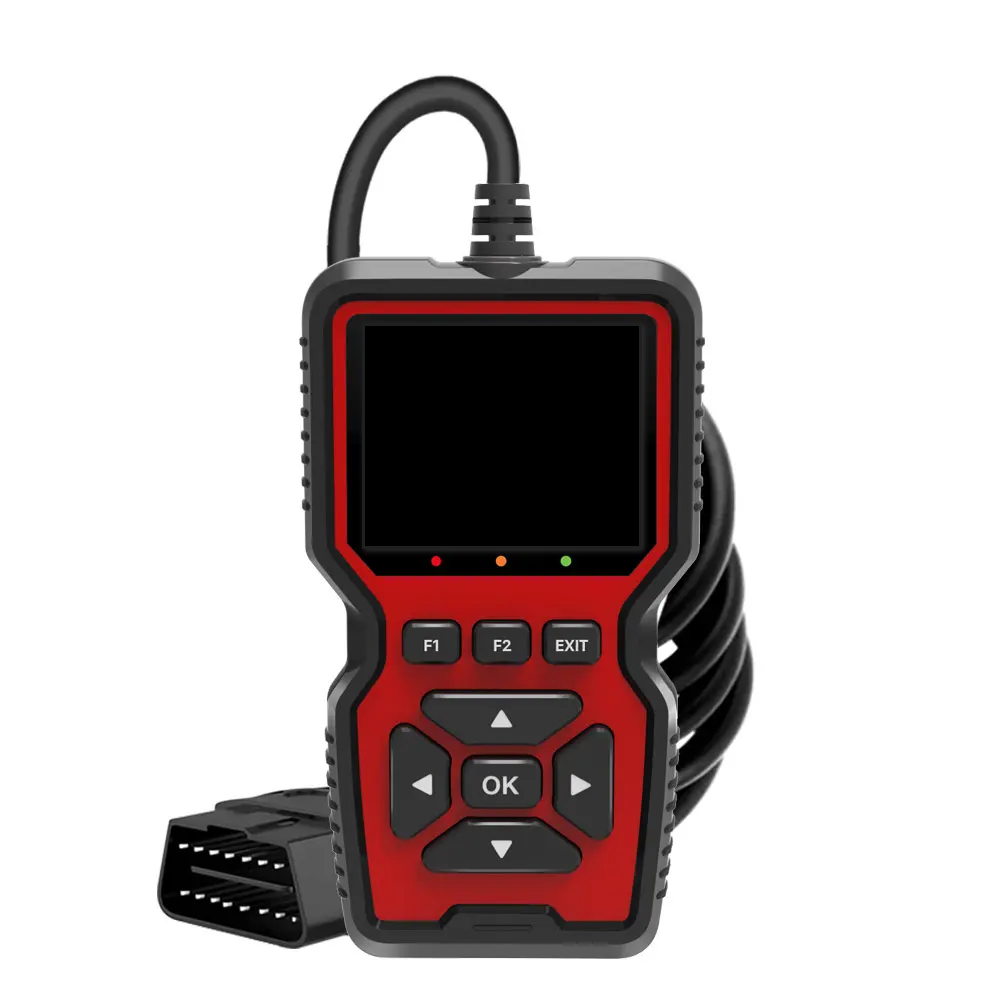
- Retrieve Freeze Frame Data: Use an OBD-II scanner to read any stored freeze frame data associated with B1453. This data captures the engine and vehicle operating conditions at the time the code was set, which can provide valuable clues for reproduction.
- Circuit Isolation and Resistance Testing:
- Disconnect Battery: For safety and to prevent damage, disconnect the vehicle’s negative battery terminal.
- Disconnect Multi-Function Switch: Locate and disconnect the electrical connector from the multi-function switch.
- Test Wiring Harness for Short: Using a DMM set to resistance (ohms), test for continuity between the suspected wiper switch signal wire(s) (identified via wiring diagram) and chassis ground. A reading close to 0 ohms indicates a direct short to ground in the wiring harness. If a short is found, visually trace the wire along its path, flexing and manipulating it to pinpoint the exact location.
- Test Multi-Function Switch: If the wiring harness tests clear, reconnect the battery temporarily (if necessary for internal switch operation data, consult service manual) or use the DMM on the disconnected switch itself. With the DMM set to resistance, test between the appropriate switch terminals (power input and individual signal outputs) and chassis ground or a designated switch ground, while actuating the switch through all its positions (off, intermittent delays, low, high, wash). Compare the measured resistance values to the manufacturer’s specifications. An internal short to ground will typically present a very low or zero resistance reading on a circuit that should be open or have a specific resistance value in a given position.
- Voltage Drop Testing (with care): With the switch connected and the circuit energized (battery connected), use the DMM to measure voltage drop across various points of the circuit. A significant voltage drop where none is expected can indicate excessive resistance or a partial short under load.
- Component Isolation & Substitution: If possible, and after confirming the wiring and switch are functioning as per specifications, temporarily substitute a known-good multi-function switch to rule out subtle intermittent internal switch failures not easily detected by static resistance tests. If the issue resolves, the original switch is faulty.
- BCM Input Verification: As a final step, if the switch and wiring prove faultless, and with the wiring diagram, verify the signal input at the BCM connector. This requires probing the BCM harness connector while the switch is actuated, looking for the expected voltage or resistance changes. Absence of signal or an incorrect signal here, despite a functional switch and wiring, could point to a faulty BCM input circuit.
Recommended Repairs and Solutions
The repair strategy for B1453 directly correlates with the root cause identified during diagnosis:
- Replace Multi-Function Switch: If diagnostic testing confirms an internal short or malfunction within the wiper wash/delay switch assembly, replacement is necessary. Note that these switches are often part of a larger steering column stalk assembly and may require partial disassembly of the steering column or steering wheel removal. Always use an OEM-equivalent or genuine OEM replacement part.
- Repair or Replace Damaged Wiring: If the wiring harness is found to be chafed, pinched, or shorted to ground, the damaged section must be properly repaired. This involves stripping back insulation, soldering new wire (if necessary), and properly insulating the repair with heat-shrink tubing. For extensive damage, replacing the entire affected harness section might be more practical and reliable.
- Clean and Repair Corroded Connectors: If corrosion or poor terminal contact is identified within the connectors, use an approved electrical contact cleaner to meticulously clean all terminals. Replace any severely corroded or damaged terminals using appropriate crimp tools and new pigtail wires. Ensure the connector seals are intact to prevent future water intrusion.
- Address Aftermarket Accessory Interference: If an aftermarket accessory is found to be causing the short, disconnect it. If the code clears and functionality returns, the accessory was installed incorrectly. Either remove the accessory permanently or have it professionally reinstalled using proper wiring techniques that do not interfere with critical vehicle circuits.
- Body Control Module (BCM) Replacement: Only consider BCM replacement as a last resort, after meticulously ruling out all other possibilities. BCMs are complex, expensive components that often require programming or configuration using specialized diagnostic tools after installation to ensure proper communication with other vehicle modules. Consult the factory service information for specific BCM replacement and programming procedures.
- Post-Repair Verification: After completing any repair, clear the DTC B1453 using an OBD-II scanner. Operate the windshield wiper and washer system through all its functions (intermittent delays, low speed, high speed, front/rear wash) multiple times to confirm correct operation and ensure the code does not return. Drive the vehicle under varying conditions to confirm the repair is robust and no intermittent issues persist.