What Does Code B1454 Mean?
DTC B1454 signifies a detected electrical malfunction within the wiper washer fluid low-level indicator lamp circuit. This diagnostic trouble code is typically set by the Body Control Module (BCM) or the Instrument Panel Cluster (IPC) module, which are responsible for monitoring and controlling various body electrical functions, including driver information systems. The module monitors the voltage, current, or resistance characteristics of the dedicated circuit leading to the washer fluid low-level lamp (either an incandescent bulb or an integrated LED) on the instrument cluster. When the module detects an electrical anomaly—such as an open circuit (high resistance/no continuity), a short circuit to ground (abnormally low voltage/high current), or a short circuit to voltage (unexpected voltage when off)—that deviates from its programmed parameters for a specified period, it registers B1454. This indicates that the module cannot reliably illuminate or extinguish the warning lamp as required, impairing the driver’s ability to be informed of a low washer fluid condition.
Common Symptoms
- The washer fluid low warning light on the instrument cluster does not illuminate when the washer fluid reservoir level is low.
- The washer fluid low warning light remains constantly illuminated, even when the reservoir is full, if the fault is a specific type of short circuit or module driver issue.
- The washer fluid low warning light does not illuminate during the instrument cluster’s bulb check or self-test sequence upon vehicle startup.
- Other unrelated warning lights on the instrument cluster may flicker or behave erratically, though this is less common and may suggest a broader module or power/ground issue.
What Causes the Code B1454?
- An open circuit or short circuit in the wiring harness connecting the BCM/IPC to the wiper washer fluid lamp on the instrument cluster. This can be due to chafing, corrosion, or damage to the insulation.
- A failed or burnt-out incandescent bulb or an internally faulty LED within the instrument cluster that serves as the washer fluid low indicator.
- Corroded or loose electrical connectors at the instrument cluster, BCM/IPC, or any inline connectors in the lamp circuit, leading to intermittent or high-resistance connections.
- An internal malfunction within the Body Control Module (BCM) or Instrument Panel Cluster (IPC) itself, specifically a failure of the driver circuit responsible for controlling the washer fluid lamp.
- A faulty washer fluid level sensor, while less direct, could potentially cause the module to attempt to illuminate the lamp erroneously, which, if combined with a circuit fault, could contribute to B1454. However, B1454 points more specifically to the lamp circuit itself.
How to Diagnose and Troubleshoot
Diagnosis of B1454 requires systematic electrical testing and an understanding of the vehicle’s specific wiring diagrams.
- Preliminary Inspection:
- Visually inspect the washer fluid reservoir to confirm the fluid level.
- Inspect the visible wiring harness sections leading to the instrument cluster and the BCM/IPC for any signs of damage, chafing, or corrosion.
- Check the condition of the electrical connectors at the instrument cluster and the BCM/IPC for corrosion, bent pins, or poor seating.
- OBD-II Scan Tool Data Analysis:
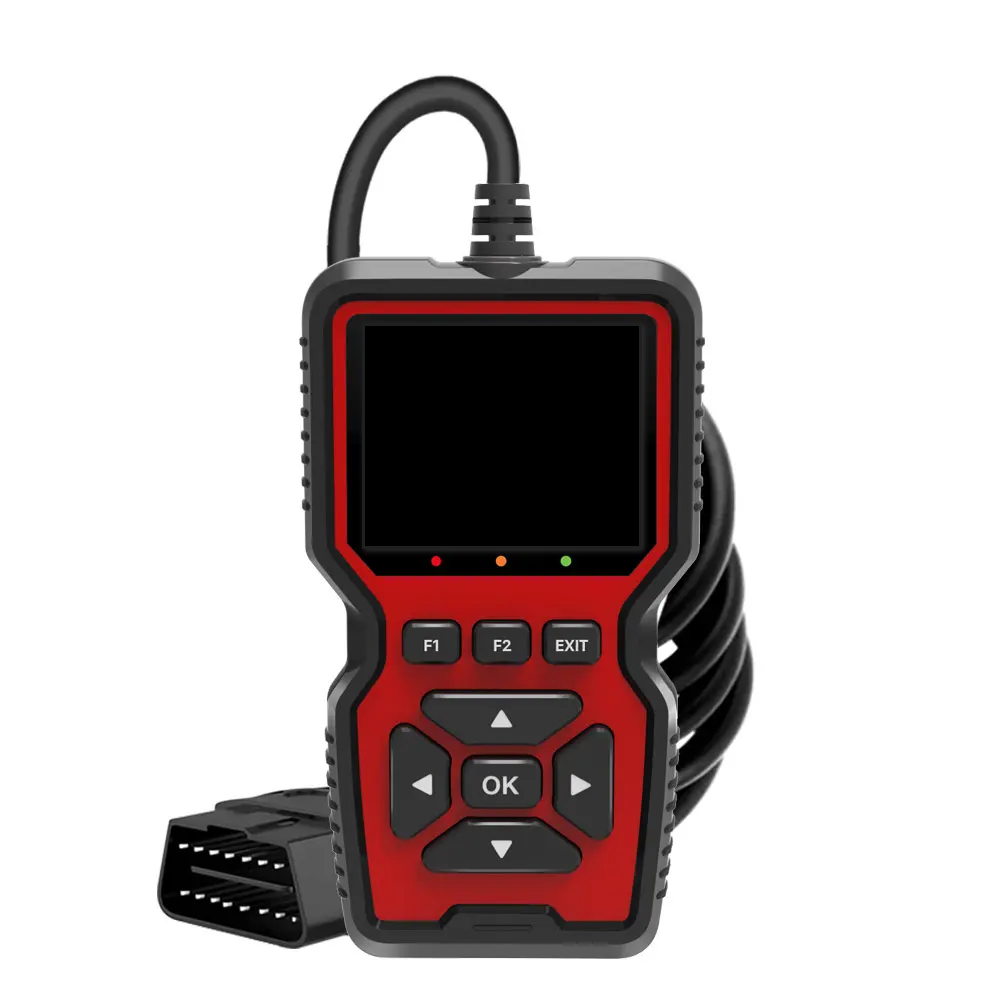
- Connect an advanced OBD-II scan tool capable of communicating with the BCM/IPC.
- Check for any other related diagnostic trouble codes (DTCs), especially other B-codes or U-codes, which might indicate a broader communication or module issue.
- Access the BCM/IPC’s live data stream. Look for parameters related to the washer fluid level sensor input (if available) and the commanded status of the washer fluid low lamp. Confirm if the module is correctly detecting the fluid level and if it is commanding the lamp ON/OFF as expected. Some scan tools may allow active command of the lamp for testing.
- Circuit Testing with Digital Multimeter (DMM):
- Isolate the circuit: Using vehicle-specific wiring diagrams, locate the pins for the washer fluid lamp circuit at the instrument cluster connector and the BCM/IPC connector. Disconnect the instrument cluster.
- Continuity Test (Open Circuit): Set the DMM to resistance or continuity mode. Measure resistance between the lamp control pin at the BCM/IPC connector and the corresponding lamp input pin at the instrument cluster connector (with both modules disconnected). Resistance should be very low (typically less than 5 ohms). An infinite reading indicates an open circuit in the wiring.
- Short to Ground Test: With the instrument cluster and BCM/IPC disconnected, measure resistance between the lamp control wire and a known good chassis ground. Resistance should be infinite. A reading close to 0 ohms indicates a short to ground.
- Short to Voltage Test: With the instrument cluster and BCM/IPC disconnected, use the DMM in voltage mode to check for any unexpected voltage present on the lamp control wire with the ignition on. There should be no voltage present unless specifically commanded by the module.
- Voltage Presence at Cluster (Module Output Test): Reconnect the BCM/IPC. If the scan tool indicates the module is commanding the lamp ON (e.g., when the fluid is low), back-probe the lamp control pin at the instrument cluster connector (before connecting the cluster). Check for the appropriate voltage signal (e.g., 12V for a switched power, or 0V for a switched ground). If the correct voltage is present but the lamp does not illuminate when the cluster is connected, the lamp itself is suspect.
- Ground Path Verification: If the lamp circuit is a switched ground design, ensure the constant power supply to the lamp is present and that the ground path from the BCM/IPC can be established.
- Instrument Cluster Self-Test: Many vehicles have a built-in instrument cluster self-test or diagnostic mode that cycles all indicator lights. Activate this test (refer to service manual) and observe if the washer fluid low lamp illuminates. If it does not, the fault is likely internal to the cluster (lamp or driver) or the wiring leading to it.
- Wiggle Test: While monitoring live data or DMM readings, gently wiggle wiring harnesses and connectors associated with the lamp circuit. Look for any momentary changes that indicate an intermittent connection.
Recommended Repairs and Solutions
Once the root cause of B1454 has been precisely identified through diagnostic steps, the following repairs are typically recommended:
- Wiring Harness Repair or Replacement: If an open circuit, short to ground, or short to voltage is found in the wiring harness, perform a professional repair. Use appropriate automotive-grade wire, solder connections with heat shrink tubing, or use specified crimp connectors. Ensure the repair is adequately protected from future damage. If the damage is extensive, consider replacing the entire harness section.
- Connector Cleaning or Replacement: If corroded or loose connectors are the culprit, carefully clean the connector terminals using an electrical contact cleaner and a small brush. Ensure all pins are straight and make solid contact. If severe corrosion or damage is present, replace the affected connector shell and terminals.
- Instrument Cluster Lamp/LED Replacement: If the diagnosis confirms a faulty lamp (incandescent bulb or integrated LED) within the instrument cluster, the cluster will need to be carefully disassembled to access and replace the component. For incandescent bulbs, this is often straightforward. For integrated LEDs, it may require significant soldering skills or, in some cases, a complete instrument cluster replacement, which may also necessitate programming.
- Body Control Module (BCM) or Instrument Panel Cluster (IPC) Replacement: If all external wiring, connectors, and the lamp itself test good, and the diagnostic tests indicate that the BCM/IPC is not sending the correct signal to the lamp, the internal lamp driver circuit within the module is likely faulty. In this scenario, the BCM or IPC module will need to be replaced. Be aware that module replacement often requires specialized programming and calibration using a factory or advanced aftermarket scan tool to integrate it with the vehicle’s network.
- Clear DTC and Verify Repair: After performing any repair, clear the DTC B1454 using an OBD-II scan tool. Then, perform a functional test by checking the washer fluid level, filling or draining the reservoir as necessary, to confirm the lamp illuminates and extinguishes correctly. Drive the vehicle and perform a self-test cycle to ensure the code does not return.