What Does Code B1457 Mean?
DTC B1457 indicates a specific electrical fault within the wiper washer fluid level warning lamp circuit. Specifically, it signifies that the Body Control Module (BCM), or in some vehicle architectures, the Instrument Cluster Control Module, has detected a condition where the circuit for the washer fluid low warning lamp is shorted to ground. This means that electrical current is finding an unintended path to chassis ground before or at the point of the washer fluid level sensor or its associated wiring. The BCM monitors the voltage or resistance across this circuit to determine the washer fluid level. When a short to ground occurs, the module interprets this as a constant “low fluid” state, even if the reservoir is full, or detects an abnormal voltage drop, triggering the diagnostic trouble code and often illuminating the warning lamp continuously or preventing its proper operation.
Common Symptoms
- The washer fluid low warning lamp illuminates continuously on the instrument cluster, despite the fluid reservoir being adequately filled.
- The washer fluid low warning lamp fails to illuminate at all, even when the fluid reservoir is genuinely low.
- Intermittent illumination of the washer fluid low warning lamp without any discernible pattern.
- The washer system may operate normally otherwise, as the fault specifically relates to the warning lamp circuit, not typically the pump or spray function.
What Causes the Code B1457?
- Damaged Wiring Harness: Chafed, pinched, or cut wiring leading to the washer fluid level sensor or the warning lamp circuit, causing a direct short to the vehicle’s chassis ground. This is particularly common in areas prone to movement, vibration, or exposure to elements.
- Faulty Washer Fluid Level Sensor: An internal short within the sensor itself, causing one of its terminals or internal components to be continuously grounded. The sensor may also be mechanically stuck in a “low fluid” position, which effectively grounds the signal line in some designs.
- Corroded Electrical Connectors: Water intrusion, road salt, or other contaminants can cause corrosion in the multi-pin connector for the washer fluid level sensor or upstream connectors in the associated wiring harness, creating an unintended conductive path to ground.
- Faulty Instrument Cluster or Body Control Module (BCM): While less common, an internal fault within the BCM or the instrument cluster, which monitors this specific circuit, could incorrectly interpret a normal signal as a short to ground, or genuinely have an internal short affecting the circuit’s monitoring capabilities.
How to Diagnose and Troubleshoot
A systematic approach is crucial for diagnosing B1457:
- Visual Inspection: Begin by visually inspecting the washer fluid reservoir, the washer fluid level sensor, and the entire wiring harness leading from the sensor back towards the firewall/BCM. Look for obvious signs of damage, such as frayed wires, exposed conductors, signs of rubbing against sharp edges, or severe corrosion at the sensor connector. Ensure the fluid reservoir is full and the sensor appears properly seated.
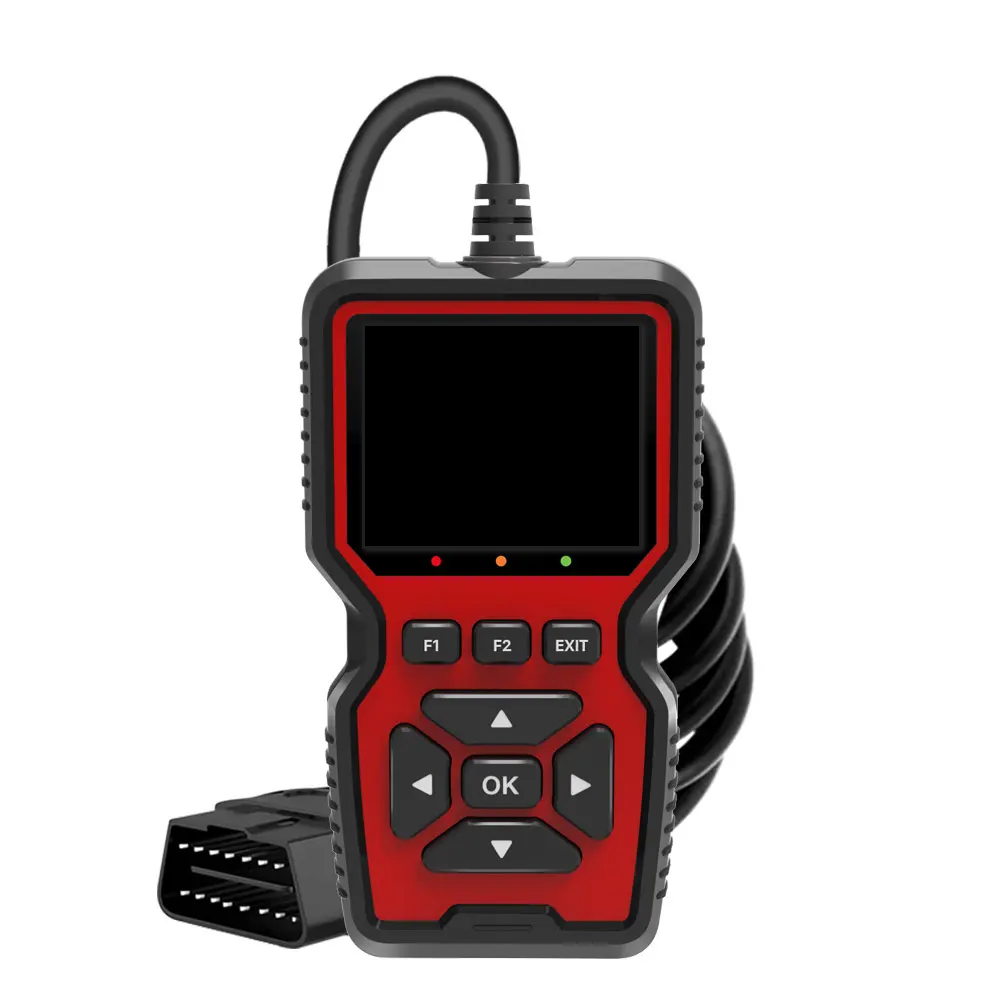
- OBD-II Scanner Check: Connect an OBD-II scanner to confirm B1457 is the only active code. Check for any related codes that might point to a broader electrical issue. Review freeze-frame data if available, as it can provide valuable information about engine conditions and sensor readings at the time the code was set. Advanced scan tools may offer live data for specific body control module inputs, which might show the state of the washer fluid level sensor.
- Washer Fluid Level Sensor Testing:
- Disconnect the Sensor: Disconnect the electrical connector from the washer fluid level sensor.
- Check for Continuity (Sensor Side): Use a Digital Multimeter (DMM) set to ohms or continuity mode. Test between the two terminals of the sensor itself. In most designs, when fluid is full, the sensor should show high resistance (open circuit), and when fluid is low, it should show low resistance (closed circuit). If the sensor shows a short (very low resistance) to its own housing or between its terminals when it should be open (full fluid), the sensor is likely faulty.
- Check for Continuity (Harness Side): With the sensor disconnected, set your DMM to continuity mode. Probe one wire of the harness connector (the signal wire going back to the BCM) and touch the other probe to a known good chassis ground point. If continuity is present, the short to ground is in the wiring harness between the sensor connector and the control module. Wiggle the harness while monitoring the DMM to see if the continuity changes, which can help pinpoint an intermittent short.
- Check for Reference Voltage (Harness Side): With the ignition on and the sensor still disconnected, use the DMM set to DC voltage to check for reference voltage (typically 5V or 12V, consult wiring diagram for exact value) at the harness connector’s power/signal wire. The ground wire should show very low resistance to chassis ground.
- Isolation Test: If the continuity test on the harness side indicates a short, it’s necessary to isolate the location. Visually trace the wire, paying close attention to grommets, cable ties, and areas where the harness passes through body panels or near hot/moving components. Temporarily disconnect any intermediate connectors in the circuit path to narrow down the section of wiring containing the short.
- Instrument Cluster/BCM Test (Last Resort): If all wiring and the sensor test perfectly, and the B1457 code persists, the fault may lie within the instrument cluster or BCM. This typically requires more advanced diagnostic equipment or specialized procedures outlined in the factory service manual to confirm internal module faults.
Recommended Repairs and Solutions
- Repair or Replace Damaged Wiring: If a short in the wiring harness is identified, carefully repair the damaged section. Use appropriate gauge wire, solder connections, and seal with heat-shrink tubing for durability and protection against environmental factors. If the damage is extensive or in a critical area, it may be more practical to replace the entire sub-harness.
- Replace the Washer Fluid Level Sensor: If testing confirms the sensor is internally shorted or mechanically faulty, replace it with a new, OEM-quality part. Ensure the new sensor is properly seated and the connector is securely attached.
- Clean or Repair Corroded Connectors: If corrosion is present, disconnect the affected connectors, use electrical contact cleaner to thoroughly clean the pins, and inspect for bent or damaged terminals. Apply dielectric grease to protect against future corrosion before reassembly. Replace the connector shell or terminals if they are severely damaged.
- Replace the Body Control Module (BCM) or Instrument Cluster: If all other components and wiring have been meticulously tested and confirmed to be in good working order, and the problem persists, the BCM or instrument cluster may need replacement. This is a complex repair, often requiring module programming or configuration after installation, which typically necessitates dealer-level diagnostic tools.
- Post-Repair Verification: After any repair, clear the DTC B1457 using an OBD-II scanner. Operate the vehicle and cycle the ignition several times to confirm the code does not return and the washer fluid warning lamp operates correctly (e.g., illuminates when fluid is low and extinguishes when full).