What Does Code B1458 Mean?
The diagnostic trouble code B1458 signifies a malfunction within the Wiper Washer Pump Motor Relay Circuit. This code is typically set by the Body Control Module (BCM), Totally Integrated Power Module (TIPM), or an equivalent integrated electronic module responsible for body electrical functions, rather than the Engine Control Module (ECM/PCM) directly. The BCM monitors the electrical characteristics of the relay circuit that controls the washer pump motor(s). When the BCM detects an electrical anomaly within this circuit—such as an open circuit (high resistance), a short to ground, or a short to voltage—that deviates from its programmed parameters, it logs B1458. This indicates that the BCM is unable to properly control or detect the operational status of the wiper washer pump relay, thereby preventing the proper activation of the washer pump motor. The subsystem affected is the front or rear windshield washer system, which relies on this relay to supply power to the washer pump motor when the driver requests fluid dispense.
Common Symptoms
- No Washer Fluid Dispense: The primary symptom is a complete failure of the windshield or rear window washer system to dispense fluid, even when the multi-function switch is activated.
- Washer Pump Inaudible: The characteristic whirring sound of the washer pump motor will not be heard when the washer function is engaged.
- Intermittent Washer Operation: The washer system may work sporadically, indicating an intermittent electrical fault in the relay circuit.
- Wiper Blades Operate, No Fluid: The wiper blades may cycle as commanded, but no washer fluid is delivered, confirming an issue specifically with the pump activation.
- Warning Light Illumination: Depending on the vehicle manufacturer and severity, a general electrical system warning light or a specific washer system warning may illuminate on the instrument cluster.
What Causes the Code B1458?
- Faulty Wiper Washer Pump Motor Relay: The relay itself may have an internal mechanical or electrical failure, preventing it from switching power to the pump or from being properly controlled by the BCM.
- Open Circuit in the Relay Control or Power Feed Wiring: A broken wire, corroded terminal, or loose connection in the wiring harness supplying power to the relay (terminal 30), or the control circuit from the BCM to the relay coil (terminals 85/86), will result in a “circuit failure” detection.
- Short to Ground in the Relay Control or Power Feed Wiring: If the control circuit or the power circuit feeding the relay inadvertently makes contact with a ground source, it can cause the BCM to detect an abnormal current flow or voltage, interpreting it as a circuit failure.
- Short to Voltage in the Relay Control Circuit: An unintended connection of the relay control circuit to a constant voltage source can prevent the BCM from properly switching the relay, leading to a B1458 code.
- Excessive Resistance in the Circuit: Corrosion at terminals, frayed wiring, or a degraded fuse connection can introduce excessive resistance, impeding proper current flow and causing the BCM to log a circuit fault.
- Faulty Washer Pump Motor: A seized or internally shorted washer pump motor can draw excessive current, which the BCM might interpret as a fault within the relay circuit, especially if the current draw exceeds the circuit’s design limits and affects the relay’s operation.
- Corroded or Blown Fuse: A blown fuse or a fuse with corroded terminals in the circuit supplying power to the relay or the pump motor can mimic an open circuit.
- Internal Body Control Module (BCM)/TIPM Failure: In rare instances, an internal fault within the BCM’s relay driver circuit or its circuit monitoring logic could falsely trigger the code.
How to Diagnose and Troubleshoot
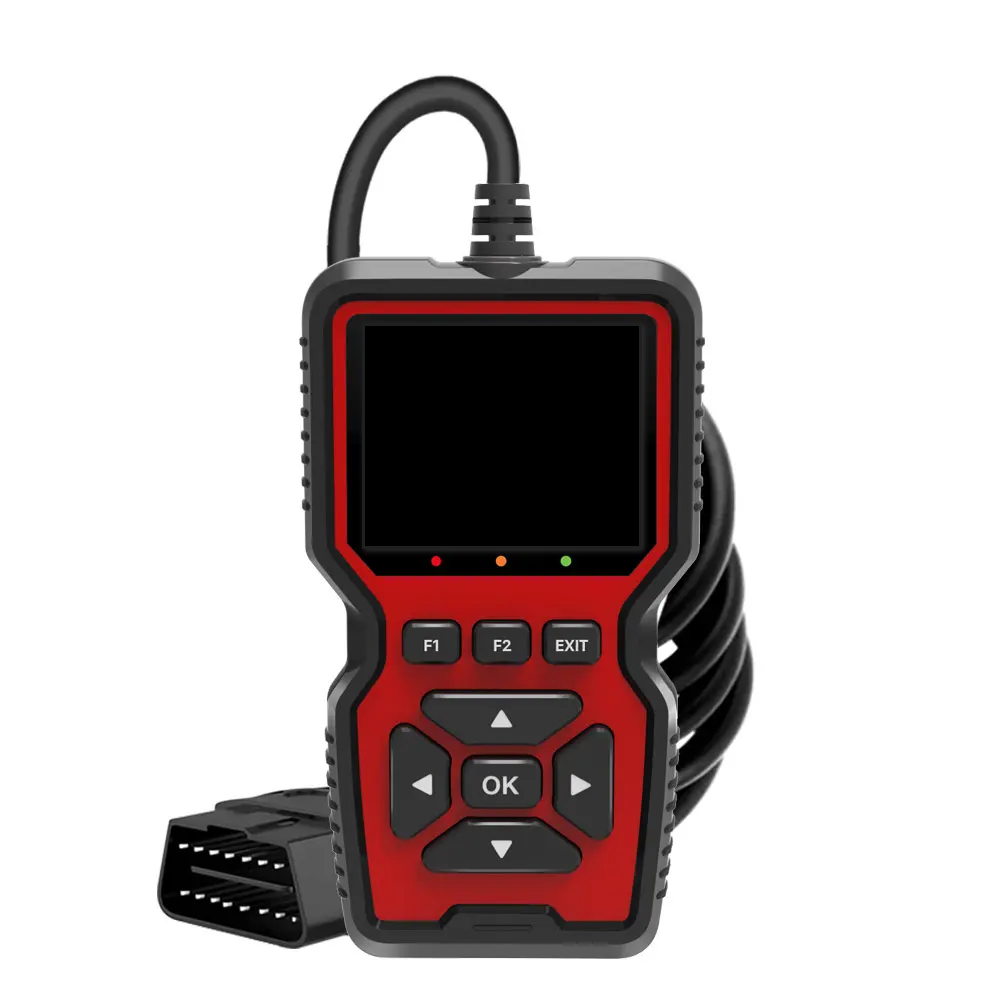
Diagnosing B1458 requires a systematic approach, utilizing a digital multimeter (DMM) and a suitable OBD-II scan tool capable of reading B-codes and potentially performing bi-directional controls.
- Verify Code and System Operation: Connect an OBD-II scan tool. Confirm B1458 is present. Check for any related codes that might point to a broader electrical issue. Attempt to activate the washer system and observe for any response (e.g., relay click, pump hum). Note whether the wipers operate. Clear codes and retest to see if B1458 immediately returns.
- Visual Inspection:
- Locate the wiper washer pump motor relay (refer to vehicle’s service manual or fuse box diagram). Visually inspect the relay and its connector for signs of corrosion, damage, bent pins, or loose connections.
- Inspect all fuses associated with the wiper washer system and the BCM. Pay close attention to the fuse supplying battery voltage to the relay’s power input (Terminal 30). Use a DMM to check fuse continuity, do not rely solely on visual inspection.
- Trace the wiring harness from the BCM to the relay, and from the relay to the washer pump motor(s). Look for chafing, cuts, signs of melting, or severe corrosion that could indicate an open or short circuit. Pay particular attention to areas where the harness passes through firewalls or near sharp edges.
- Relay Functionality Test:
- With the ignition OFF, remove the washer pump relay.
- Identify the relay terminals (typically 85 & 86 for the coil, 30 & 87 for the switch).
- Measure the resistance across the relay coil (terminals 85 and 86) using your DMM. A typical value is between 50-150 ohms. An open circuit (OL) or very low resistance (near 0 ohms) indicates a faulty coil.
- Apply 12V and ground to the coil terminals (85 & 86) from a fused power source. Listen for a distinct click. While power is applied to the coil, measure continuity across the switch terminals (30 & 87). It should show continuity (near 0 ohms). No click or no continuity indicates a faulty relay.
- As an alternative, temporarily swap the suspected faulty relay with a known good, identical relay from another non-critical circuit (e.g., horn relay), and retest the washer function.
- Circuit Voltage and Continuity Checks:
- Relay Power Input (Terminal 30): With the relay removed and ignition ON, use a DMM to check for battery voltage (B+) at the relay’s power input terminal (typically 30) in the relay socket. Absence of voltage points to a blown fuse, open circuit in the power feed, or issue with the BCM’s power distribution.
- Relay Control Signal (Terminals 85/86): Reconnect the DMM to one of the relay coil terminals (85 or 86, depending on the BCM’s switching method – ground or 12V side) with the ignition ON. Activate the washer function at the multi-function switch. The DMM should show a brief change in voltage (e.g., 0V if BCM supplies ground, or B+ if BCM supplies 12V). If no signal is detected, the issue could be the BCM, the multi-function switch, or wiring between them.
- Relay Output Circuit (Terminal 87 to Pump): With the battery disconnected, disconnect the washer pump motor connector. Test for continuity between the relay socket’s output terminal (typically 87) and the corresponding wire at the washer pump motor connector. An open circuit (OL) indicates a break in the wiring. Also, check this wire for shorts to ground and shorts to voltage.
- Washer Pump Motor Resistance: If accessible, measure the resistance of the washer pump motor itself (disconnected from the vehicle harness). Consult service specifications for expected resistance; extremely low resistance (shorted) or infinite resistance (open) indicates a faulty pump.
- Scan Tool Bi-Directional Control: If your scan tool supports it, attempt to command the washer pump ON via the BCM’s bi-directional controls. If the relay clicks and the pump operates, it suggests the BCM and the circuit from the BCM to the pump are functional, pointing towards an issue with the multi-function switch or its signal to the BCM. If the relay does not click and the pump does not operate, it confirms a fault in the relay, its associated wiring, or the BCM’s output driver.
Recommended Repairs and Solutions
Once the root cause of B1458 has been identified through systematic diagnosis, the appropriate repair can be executed:
- Replace Faulty Wiper Washer Pump Motor Relay: If the relay fails the bench test or swapping it with a known good one resolves the issue, replace it with an OEM or equivalent quality relay. Ensure the new relay has the correct specifications.
- Repair or Replace Damaged Wiring: Address any identified open circuits, shorts to ground/voltage, or areas of excessive resistance in the wiring harness. For repairs, use proper automotive-grade wiring, soldering techniques, and heat-shrink tubing to ensure a durable, weather-resistant connection. Replace entire sections of the harness if damage is extensive or integrity cannot be guaranteed.
- Replace Blown Fuses or Corroded Fuse Connections: If a blown fuse was found, replace it with a fuse of the correct amperage. Investigate why the fuse blew; if no other cause is found, a temporary surge or internal pump motor fault could be the reason. Clean any corrosion on fuse terminals or connectors with electrical contact cleaner and a small wire brush to ensure good electrical contact.
- Replace Faulty Washer Pump Motor: If diagnostic steps indicate a seized or shorted washer pump motor is overloading the circuit, replace the pump. Before installing the new pump, inspect the washer fluid reservoir for debris that could cause premature failure of the new pump.
- Replace Body Control Module (BCM)/TIPM: This should be considered a last resort, only after all external wiring, fuses, relays, and the pump motor itself have been thoroughly tested and ruled out. BCM/TIPM replacement often requires professional programming and calibration specific to the vehicle, which can be a complex and costly procedure.
After any repair, clear the B1458 code from the BCM’s memory using a scan tool. Operate the washer system multiple times to confirm proper functionality and rescan for any reoccurring codes to ensure the repair was successful.