What Does Code B1459 Mean?
DTC B1459 indicates a detected Open Circuit in the Wiper Washer Pump Motor Relay Coil Circuit. This is a manufacturer-specific (B-prefix for Body System) diagnostic trouble code typically set by the Body Control Module (BCM) or a dedicated Wiper Control Module. When the driver activates the windshield washer function, the control module sends a command to energize the coil within the wiper washer pump relay. This relay, when energized, acts as a switch, closing contacts to supply power to the washer pump motor, causing it to spray fluid.
The control module constantly monitors the electrical characteristics of this coil circuit. An “open circuit” signifies that the module is sending the energizing signal (either 12V or ground) to one side of the relay coil, but it is not detecting the expected electrical continuity or current flow through the coil to the other side (which would typically be connected to ground or 12V, respectively). This lack of continuity prevents the relay coil from creating a magnetic field, thus the relay contacts remain open, and power is never supplied to the washer pump motor. The module interprets this as a break in the circuit, logs B1459, and consequently, the windshield washer system fails to operate.
Common Symptoms
- Windshield washer fluid does not spray when the washer function is activated. The pump motor will not run.
- The wiper blades may still operate normally, but without any accompanying fluid spray.
- No audible “click” from the washer pump relay when the washer function is activated (indicating the coil is not energizing).
- The Malfunction Indicator Lamp (MIL) or Check Engine Light may not illuminate, as B-codes often pertain to body electronics and may only be stored in the BCM’s memory, sometimes triggering a specific warning light on the instrument cluster if the vehicle supports it.
What Causes the Code B1459?
- Faulty Wiper Washer Pump Motor Relay: The most common cause is an internal open circuit within the relay coil itself, preventing it from energizing.
- Wiring Harness Open Circuit: A physical break, severe fraying, or corroded connection in the wiring harness supplying power or ground to the relay coil, or in the control wire from the BCM/control module to the relay.
- Corroded or Damaged Relay Socket Terminals: Poor electrical contact at the relay socket due to corrosion, bent pins, or damage, effectively creating an open circuit to the coil.
- Faulty Body Control Module (BCM) or Wiper Control Module: Less common, but possible if the internal driver circuit within the module responsible for controlling the relay coil has failed open.
How to Diagnose and Troubleshoot
Diagnosis of B1459 requires systematic electrical testing. Always begin with a thorough visual inspection.
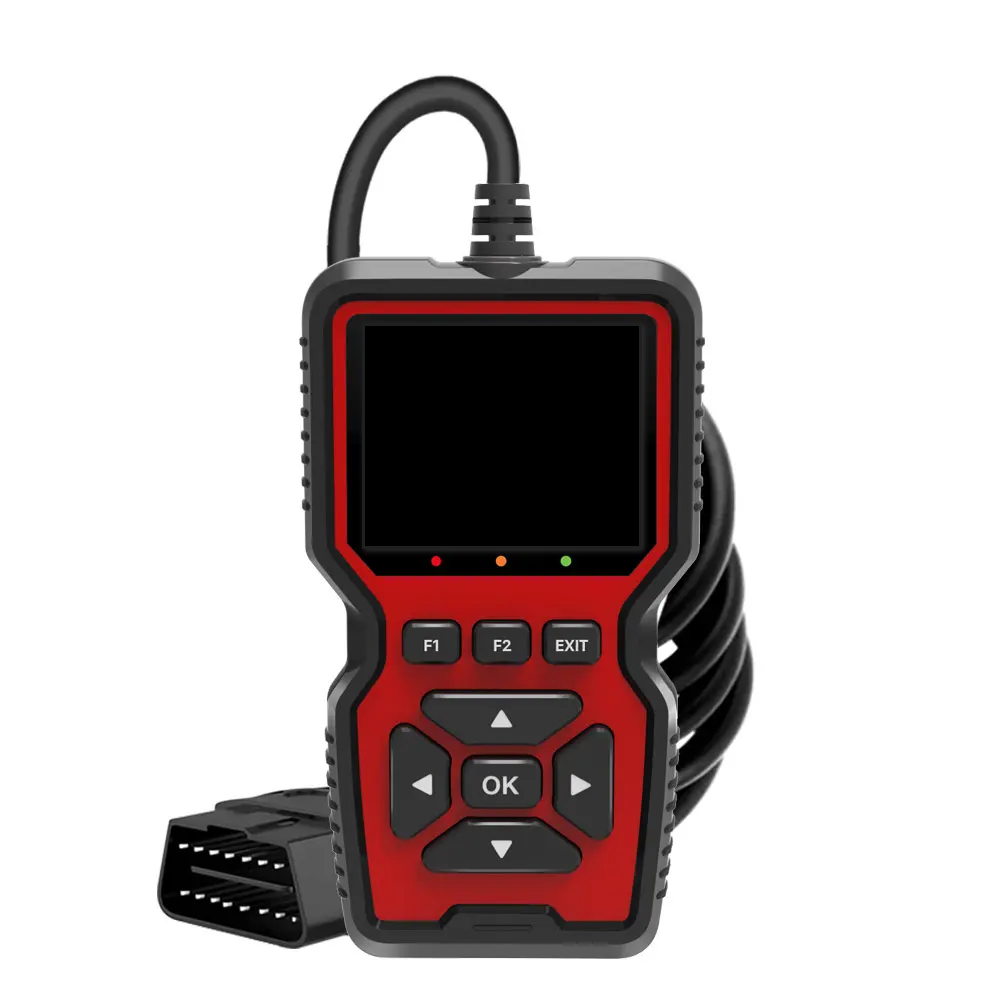
- Retrieve and Analyze DTCs: Use an OBD-II scanner to confirm B1459. Check for any related codes that might point to a broader electrical issue. Review freeze frame data for context, if available, though B-codes often have limited freeze frame information.
- Locate the Wiper Washer Pump Relay: Consult the vehicle’s service manual or fuse box diagram for the exact location of the washer pump relay. It is commonly found in the under-hood fuse box or an interior fuse panel.
- Visual Inspection:
- Carefully inspect the relay, its socket, and the surrounding wiring for any signs of physical damage, corrosion, burnt spots, or loose connections.
- Check the continuity and integrity of the main fuse that powers the washer pump (though B1459 specifically refers to the coil circuit, not the power side to the pump itself, a blown pump fuse might indicate a subsequent problem, but usually not the cause of an open coil circuit).
- Relay Testing (Out of Circuit):
- Remove the washer pump relay from its socket.
- Identify the coil terminals (typically pins 85 and 86 on a Bosch-style relay).
- Using a Digital Multimeter (DMM) set to the ohms (Ω) range, measure the resistance across these two coil terminals. A good relay coil should exhibit a specific, low resistance value (e.g., 50-150 ohms, consult service specifications). An “OL” (Over Limit) or infinite resistance reading indicates an open circuit within the relay coil itself, confirming a faulty relay.
- As an additional check, apply fused 12V battery power to one coil terminal and ground to the other (observing polarity if specified). Listen for an audible “click,” indicating the coil is energizing and closing the internal contacts.
- Circuit Integrity Test (In Circuit – Relay Socket):
- With the relay removed and the ignition ON, identify the relay socket terminals corresponding to the coil pins (85 and 86).
- Control Signal Check: Activate the windshield washer function. Using a DMM, probe one coil terminal (e.g., pin 85). Depending on the vehicle, the BCM/control module may provide a momentary 12V pulse or switch a ground. You should observe this change in voltage or ground presence when the washer is activated.
- Power/Ground Supply Check: Probe the other coil terminal (e.g., pin 86). This terminal should have either a constant 12V or a constant ground present, depending on whether the control module switches the other side of the coil. Verify this using the DMM against battery ground or battery positive.
- Wiring Continuity: If the control module output is correct and a constant power/ground is present, but the relay coil tested good out of circuit, then perform continuity checks on the wires leading to these coil terminals from their source (BCM/power distribution block/ground point). Disconnect relevant connectors to isolate the circuit and check for continuity (low resistance) and absence of short to ground/power.
- BCM/Control Module Diagnosis: If all wiring, relay, and fuse checks confirm integrity, and the control module is not providing the correct signal to the relay coil, then the issue might lie within the BCM or Wiper Control Module. This requires more advanced diagnostic procedures, potentially involving manufacturer-specific diagnostic tools to test module outputs directly.
Recommended Repairs and Solutions
Based on the diagnostic findings, here are the recommended solutions:
- Replace the Faulty Wiper Washer Pump Motor Relay: If testing confirmed an internal open in the relay coil, replace it with a new OEM or equivalent quality relay. This is often the most straightforward and common solution for B1459.
- Repair or Replace Damaged Wiring: If an open circuit is found in the wiring harness, perform a professional repair. This involves splicing in new wire of the correct gauge, using solder and heat-shrink tubing for durable, weather-sealed connections. Alternatively, replace the entire segment of the harness if damage is extensive. Ensure proper routing and protection of the repaired section.
- Clean and Repair Corroded Relay Socket Terminals: If corrosion is the culprit, use electrical contact cleaner and a small wire brush or pick to meticulously clean all affected terminals. Ensure snug fitment of the relay pins into the socket. Apply dielectric grease to prevent future corrosion. If terminals are severely damaged or loose, the relay socket or associated wiring segment may need replacement.
- Replace the Body Control Module (BCM) or Wiper Control Module: This is a last resort and should only be undertaken after conclusively ruling out all other possibilities. BCM replacement is often costly and requires specific programming or coding to the vehicle’s VIN, which typically necessitates dealer-level equipment or specialized independent shops.
- Post-Repair Verification: After performing any repair, clear the DTC B1459 from the vehicle’s memory using an OBD-II scanner. Actuate the windshield washer function multiple times to confirm proper operation. Drive the vehicle and re-scan to ensure the code does not return, indicating a successful repair.