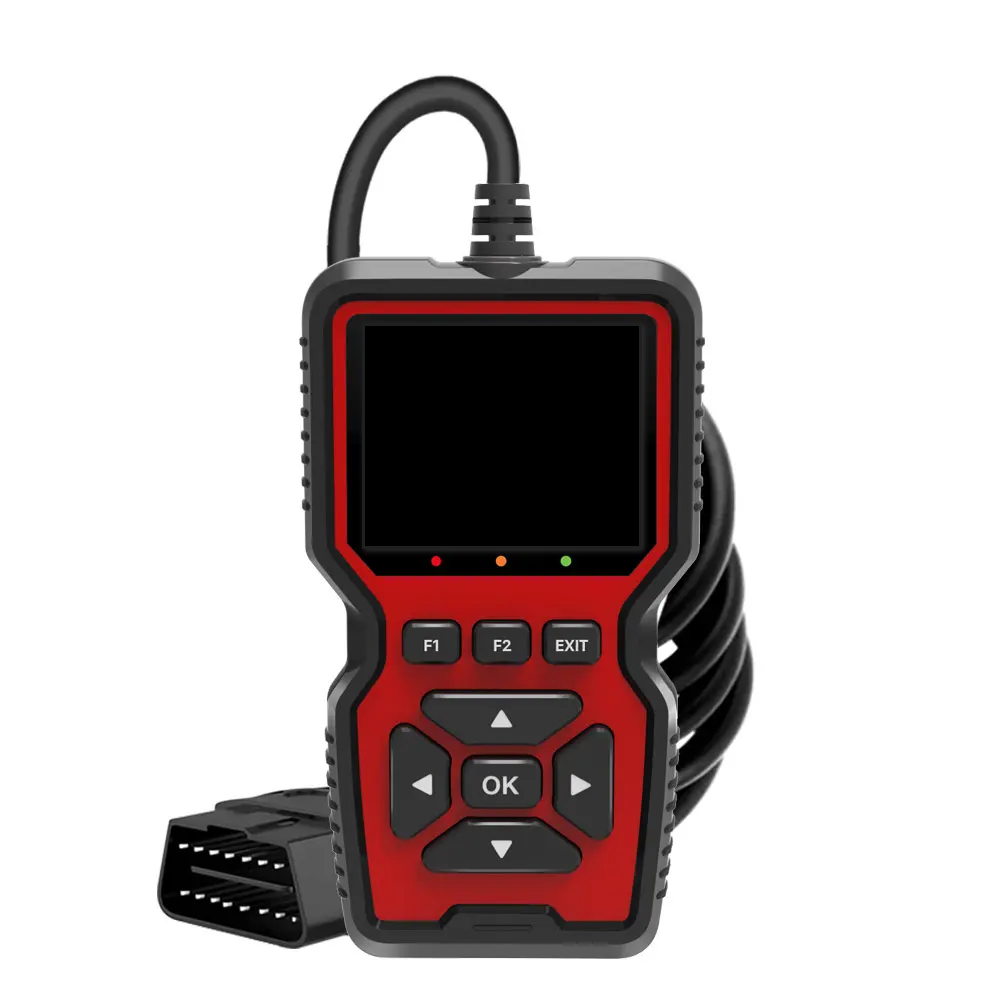
What Does Code B1460 Mean?
DTC B1460 signifies a detected electrical fault within the control circuit of the wiper washer pump motor relay. Specifically, it indicates that the Body Control Module (BCM) or General Electronic Module (GEM), which typically manages vehicle body electrical functions, has identified a short to battery voltage on the relay coil circuit. The BCM/GEM monitors the voltage on this control circuit. Under normal operating conditions, when the washer pump is inactive, the control circuit should present either an open circuit or a low voltage (near ground) signal. When the BCM/GEM detects a voltage level consistent with a direct short to the vehicle’s battery positive voltage (typically 10-14V) on this circuit at an inappropriate time, it registers the B1460 code. This prevents the BCM/GEM from accurately controlling the relay, potentially leading to unintended operation or complete failure of the washer pump system.
Common Symptoms
- Continuous Wiper Washer Fluid Spray: The washer pump may operate constantly without activation from the driver, due to the relay being continuously energized by the short to battery.
- Inoperative Wiper Washer System: If the short causes a fuse to blow or prevents proper relay activation, the washer pump may not operate at all when commanded.
- Blown Fuse: The fuse protecting the wiper washer pump circuit may repeatedly blow due to excessive current draw caused by the short.
- Warning Indicator Lights: While not typically a Check Engine Light (MIL) code, a warning light related to the vehicle’s electrical system or body control module might illuminate.
What Causes the Code B1460?
- Damaged Wiring Harness: The control wire for the wiper washer pump relay coil is chafed, pinched, or otherwise damaged, causing it to make direct contact with a fused or unfused battery positive voltage (B+) source.
- Faulty Wiper Washer Pump Relay: An internal defect within the relay itself, such as a shorted coil winding or an internal short to its own power supply terminal, causing the control circuit to appear shorted to battery.
- Corroded or Damaged Connector Terminals: Corrosion or physical damage within the relay socket or the wiring harness connector to the BCM/GEM can create unintended electrical pathways, leading to a short.
- Internal BCM/GEM Fault: Although less common, an internal malfunction within the Body Control Module or General Electronic Module could incorrectly supply voltage to the relay control circuit or misinterpret the circuit’s actual voltage state.
How to Diagnose and Troubleshoot
A systematic diagnostic approach is crucial for B1460:
- Visual Inspection: Begin by performing a thorough visual inspection of the entire wiper washer system wiring harness, starting from the washer pump, through the relay, and back to the BCM/GEM. Look for signs of chafing, pinching, corrosion, or heat damage. Pay close attention to areas where the harness passes through firewalls or near sharp edges. Inspect the relay socket and BCM/GEM connectors for bent pins, corrosion, or loose terminals.
- Fuse Inspection: Locate and inspect the fuse(s) for the wiper washer pump circuit. If blown, replacing it may temporarily resolve the symptom but will not address the underlying short, and the fuse will likely blow again.
- Relay Coil Test:
- Locate the wiper washer pump relay using the vehicle’s service manual.
- Carefully remove the relay from its socket.
- Using a Digital Multimeter (DMM) set to ohms, measure the resistance across the relay coil terminals (typically terminals 85 and 86 on a Bosch-style relay). Compare this reading to the manufacturer’s specifications. An excessively low resistance (near 0 ohms) or an open circuit (OL) indicates an internal fault with the relay coil.
- You can also apply fused battery voltage and ground to the coil terminals to test for an audible click and then check for continuity across the switch terminals (30 and 87) when energized.
- Circuit Voltage Test (Relay Socket):
- With the relay removed and the ignition ON, use a DMM set to DC volts.
- Identify the relay control circuit terminal in the relay socket (this is often the terminal receiving a ground signal from the BCM/GEM to activate the relay, or a positive signal if the BCM/GEM switches the positive side). Consult the wiring diagram.
- Measure the voltage at this control circuit terminal with the washer system OFF. If the DMM reads near battery voltage (e.g., 12-14V) when it should be at or near 0V, this confirms a short to battery voltage on the control wire.
- Continuity Test (Wiring Harness):
- If a short to battery was confirmed at the relay socket, disconnect the negative battery terminal and disconnect the BCM/GEM connector that controls the wiper washer relay.
- Using the DMM set to ohms, check for continuity between the identified relay control wire terminal at the relay socket and known B+ sources within the harness (e.g., other power wires, the battery positive terminal if accessible). A low resistance reading (e.g., <50 ohms) indicates a physical short between the control wire and a power wire.
- Also, check for continuity between the control wire and chassis ground.
- Scan Tool Data (Advanced): If equipped with an advanced scan tool capable of communicating with the BCM/GEM, monitor live data related to the wiper washer system. This might include the commanded state of the relay, current flowing through the circuit, or voltage readings on specific BCM/GEM output drivers. This can provide additional insight, but usually, physical DMM tests are more direct for a hard short.
Recommended Repairs and Solutions
Once the source of the short is identified:
- Replace Faulty Wiper Washer Pump Relay: If the relay coil tested faulty (e.g., shorted internally), replace it with a new, OEM-specified relay. Ensure the new relay has the correct pinout and current rating.
- Repair or Replace Damaged Wiring Harness: If the wiring harness is found to be chafed or shorted to battery voltage, the damaged section must be repaired.
- For minor damage, carefully strip the insulation, solder in a new section of wire of the correct gauge, and seal the repair using heat-shrink tubing.
- For extensive damage, it may be more practical to replace the entire segment of the wiring harness.
- Ensure that any repaired wiring is properly routed and secured to prevent future chafing or damage.
- Clean or Replace Corroded Connectors: If corrosion is present in the relay socket or BCM/GEM connectors, clean the terminals using an electrical contact cleaner and a small brush. For severely corroded or damaged terminals, replace the connector or individual terminals. Apply dielectric grease after cleaning to prevent future corrosion.
- BCM/GEM Replacement (Last Resort): Only consider replacing the BCM/GEM if all other external wiring and component tests have definitively ruled out external faults, and internal BCM/GEM driver diagnostics indicate an internal module failure. BCM/GEM replacement is typically expensive and often requires programming or calibration after installation.
- Mechanic’s Tips:
- Always consult the vehicle-specific wiring diagrams and service manuals for accurate pinouts, wire colors, and component locations. These vary significantly between makes and models.
- Before disconnecting any electrical components or modules, disconnect the vehicle’s negative battery terminal to prevent accidental shorts or damage to sensitive electronics.
- After any repair, clear the DTCs using an OBD-II scanner. Then, perform multiple functional tests of the wiper washer system (both front and rear, if applicable) to ensure the repair is effective and no new codes are generated.
- Check all related fuses after completing the repair, as a persistent short may have caused another fuse to blow.