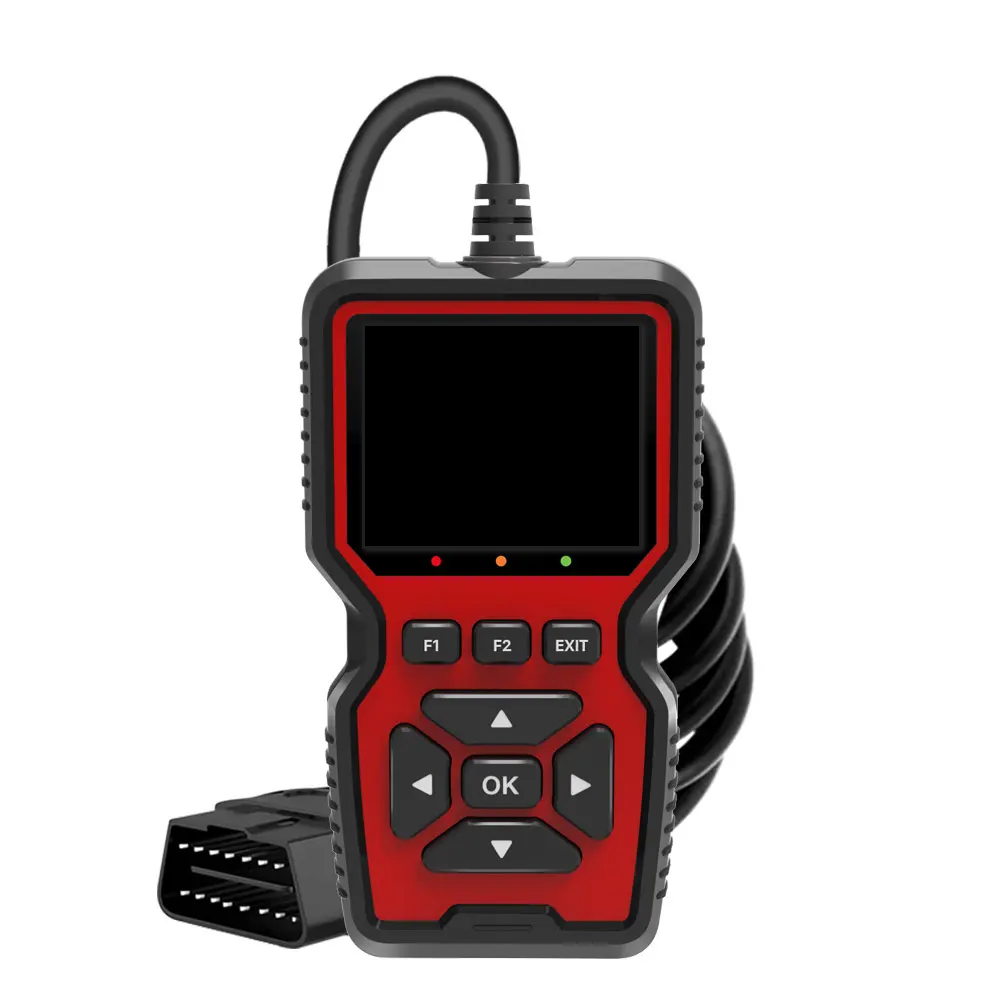
What Does Code B1461 Mean?
DTC B1461 indicates a specific electrical fault within the control circuit for the wiper washer pump motor relay. Specifically, it signifies that the Body Control Module (BCM), or in some integrated designs, the Integrated Power Module (IPM) or Front Control Module (FCM), has detected a short to ground condition in the relay coil circuit for the windshield washer pump motor. The BCM/IPM/FCM monitors the resistance and voltage levels on this control circuit. When the module attempts to energize the relay coil, it expects to see a specific voltage drop or current flow. If the circuit’s resistance to ground is significantly lower than expected, indicating a direct path to chassis ground outside of the module’s intended control, the BCM/IPM/FCM registers this as a short to ground. This condition can lead to the relay coil being constantly energized, a fuse blowing, or complete non-operation of the washer pump system, depending on the severity and location of the short.
Common Symptoms
- Inoperative Windshield Washer System: No fluid sprays from the nozzles when activated.
- Blown Fuse: The fuse protecting the washer pump circuit may repeatedly blow upon system activation or even spontaneously.
- Continuous Washer Pump Operation: In some scenarios, a short to ground could cause the relay to remain energized, leading to the pump running continuously until the fuse blows or the ignition is turned off.
- Malfunction Indicator Lamp (MIL) or Warning Lights: While primarily a body code, depending on the vehicle’s electrical architecture, other warning indicators or a generic “Service Engine Soon” light might illuminate.
- Lack of Washer Pump Noise: No audible hum or whirring from the washer pump when the stalk is activated.
What Causes the Code B1461?
- Faulty Wiper Washer Pump Relay: An internal short circuit within the relay coil itself, causing a direct path to ground.
- Damaged Wiring Harness: The wiring connecting the BCM/IPM/FCM to the relay coil, or the relay coil to its ground point, has chafed, pinched, or melted, creating an unintended short to chassis ground.
- Corroded Relay Socket or Connector Pins: Moisture intrusion or exposure to corrosive elements can cause a short between the relay coil control circuit and ground within the relay socket or an inline connector.
- Faulty BCM/IPM/FCM: Although less common, an internal short to ground within the module’s driver circuit that controls the washer pump relay coil can trigger this DTC.
- Incorrectly Installed Aftermarket Accessories: Improper wiring or installation of aftermarket components that tap into the washer pump circuit can inadvertently create a short.
How to Diagnose and Troubleshoot
Diagnosis of B1461 requires systematic electrical testing and visual inspection:
- Perform a Thorough Visual Inspection: Begin by inspecting the visible wiring harness sections leading to the washer pump and its relay. Look for signs of chafing, pinching, burning, or corrosion. Check the relay itself for physical damage or signs of overheating. Inspect the relay socket and wiring connectors for corrosion, bent pins, or loose terminals.
- Check Fuses: Identify and test all fuses related to the windshield washer system and the BCM/IPM/FCM with a digital multimeter (DMM) for continuity. A blown fuse often points to a short circuit. Replace any blown fuses, but be aware it may blow again until the underlying short is resolved.
- Wiper Washer Pump Relay Test:
- Locate the washer pump relay, typically found in a fuse box under the hood or inside the cabin.
- Remove the relay. Inspect its terminals and the relay socket for corrosion or damage.
- Using a DMM, measure the resistance across the relay’s coil terminals (usually pins 85 and 86 on a Bosch-style relay). Compare this reading to manufacturer specifications (typically 60-120 ohms). An excessively low reading (near 0 ohms) indicates an internal short, while an open circuit indicates a break in the coil.
- Alternatively, apply external 12V power and ground to the coil terminals (85 and 86). A distinct “click” should be heard, indicating the coil is activating. Then, use the DMM to check for continuity across the switch terminals (30 and 87/87a). Continuity should change when power is applied/removed.
- As a quick diagnostic, if a known good, identical relay is available, swap it with the suspect relay and re-test system operation.
- Wiring Harness Continuity and Short to Ground Test:
- With the relay removed and the BCM/IPM/FCM connector (if safely accessible) disconnected to isolate the circuit, use a DMM to perform a continuity test.
- Identify the relay coil control wire (the wire from the BCM/IPM/FCM to the relay coil) and the relay coil ground wire (if applicable, though often the module grounds the coil internally).
- Measure the resistance between the relay coil control wire terminal in the relay socket and a known good chassis ground. If the circuit is isolated and healthy, this reading should be infinite (open circuit). A reading close to 0 ohms indicates a short to ground in that wire.
- Carefully flex and wiggle sections of the wiring harness while monitoring the DMM to identify intermittent shorts.
- BCM/IPM/FCM Output Test (Advanced):
- If the relay and all wiring are confirmed good, the issue might lie within the control module itself.
- Using a wiring diagram, identify the pin on the BCM/IPM/FCM connector that supplies the control signal to the washer pump relay coil.
- With the module connected and the washer switch activated, use an oscilloscope or a DMM (set to voltage) to observe the signal at this pin. Depending on the design, you should see a momentary 12V (or ground) signal when the washer is commanded on. If the BCM/IPM/FCM output is continuously shorted to ground, it suggests an internal module fault.
Recommended Repairs and Solutions
Based on the diagnostic findings, implement the following repairs:
- Replace the Wiper Washer Pump Relay: If the relay tests faulty (e.g., internal short in the coil), replacing it with a new, OEM-specified relay is the primary solution. This is often the most common and straightforward fix.
- Repair or Replace Damaged Wiring: Locate the specific section of the wiring harness that is shorted to ground. Repair the damaged wire using appropriate gauge wire, solder connections, and protect the repair with heat-shrink tubing and electrical tape. If the damage is extensive or occurs in multiple locations, replacing the entire affected harness section may be more reliable. Ensure proper routing and securement to prevent future chafing.
- Clean and Repair Corroded Connectors: If corrosion is found in the relay socket or electrical connectors, use a specialized electrical contact cleaner to remove the corrosion. Carefully inspect and repair any damaged pins. Apply dielectric grease to the terminals during reassembly to prevent future corrosion.
- Replace the BCM/IPM/FCM: If all other components (relay, wiring, connectors) have been thoroughly tested and confirmed good, and the control module’s output for the washer pump relay coil circuit is consistently shorted to ground, the BCM/IPM/FCM may need replacement. This is typically a more involved and costly repair, often requiring module programming or calibration after installation.
- Verify Operation and Clear Codes: After any repair, clear the DTC B1461 using an OBD-II scanner. Then, operate the windshield washer system multiple times to confirm proper functionality and ensure the code does not return. Perform a road test if necessary.