What Does Code B1465 Mean?
DTC B1465 signifies an Open Circuit condition detected within the Wiper Brake/Run Relay circuit. This diagnostic trouble code is typically reported by the Body Control Module (BCM), Smart Junction Box (SJB), or a dedicated Wiper Control Module, rather than the Powertrain Control Module (PCM/ECM), as it pertains to a body electrical system. The ‘Run’ aspect of the circuit controls the continuous operation of the wiper motor, while the ‘Brake’ function refers to the mechanism that parks the wiper blades at the base of the windshield and holds them stationary when the system is turned off. The control module monitors the electrical continuity and expected voltage/current draw within this circuit. When an unexpected high resistance or a complete lack of continuity is observed across the specified circuit path, indicating that the circuit is ‘open’ and current cannot flow as intended, the module sets code B1465. This often implies a fault preventing the relay from energizing or de-energizing correctly, or an interruption in the power delivery path controlled by that relay, specifically impacting the ability of the wipers to operate continuously or return to their designated park position.
Common Symptoms
- Wiper blades fail to operate on any setting.
- Wiper blades operate intermittently or erratically.
- Wiper blades do not return to their park position; they may stop in the middle of the windshield or remain upright.
- Wiper blades operate continuously and cannot be turned off.
- Wipers may only function on one speed setting (e.g., high speed only, or low speed only).
- Inoperative windshield washers (less common, but sometimes integrated with the wiper control system).
What Causes the Code B1465?
- Faulty Wiper Brake/Run Relay: The relay itself may have an internal open circuit, seized contacts, or a defective coil, preventing it from switching power to the wiper motor correctly.
- Open Circuit in Wiring Harness: A break, cut, chafed wire, or corroded conductor within the power or control circuit for the wiper brake/run relay or leading to the wiper motor. This could be anywhere from the control module to the relay, or from the relay to the motor.
- Corroded or Loose Electrical Connections: Poor electrical contact at the relay socket, the wiper motor connector, the control module connector, or any inline connectors due to corrosion, bent pins, or insufficient tension.
- Blown Fuse: A fuse protecting the wiper circuit may be open, effectively creating an open circuit condition for the relay or motor.
- Failed Wiper Motor: While less direct, an internal fault within the wiper motor assembly, particularly its internal parking switch mechanism, could present an open circuit condition back to the module, especially if the module monitors feedback from the motor’s parking function.
- Faulty Body Control Module (BCM)/Smart Junction Box (SJB)/Wiper Control Module: An internal defect within the control module responsible for commanding the wiper system can prevent it from properly energizing the relay or monitoring its circuit status.
How to Diagnose and Troubleshoot
Accurate diagnosis of B1465 requires a systematic approach, often involving a digital multimeter (DMM) and access to vehicle-specific wiring diagrams.
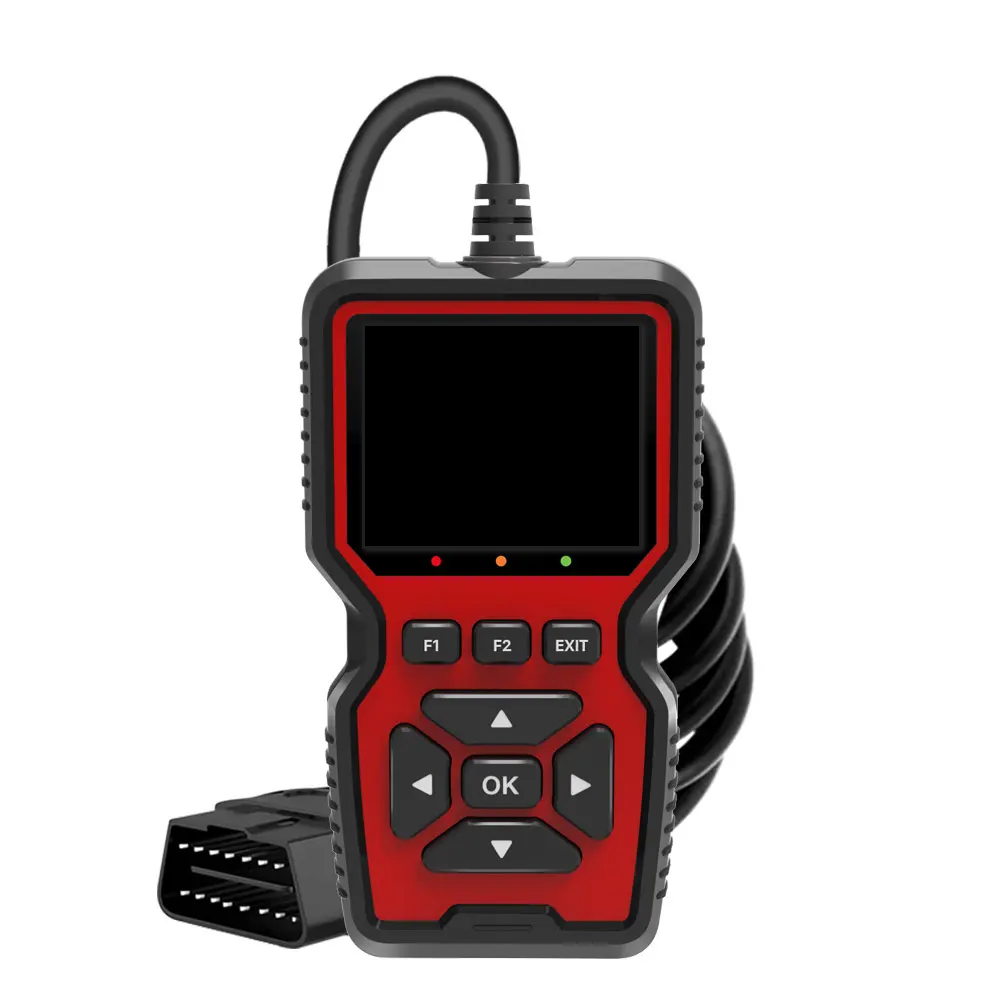
- Retrieve and Analyze DTCs: Use an OBD-II scanner capable of reading B-codes to confirm B1465. Check for any related or accompanying codes. Note any freeze frame data, as this can provide insight into the conditions present when the code was set.
- Visual Inspection:
- Inspect the wiper linkage for any mechanical binding or obstructions that could overload the motor.
- Visually inspect all accessible wiring harnesses and connectors associated with the wiper motor, relays, and control module for signs of damage, chafing, corrosion, or looseness. Pay close attention to areas prone to water intrusion or flexing.
- Check the vehicle’s fuse boxes (under-hood, dash-side, etc.) for any blown fuses related to the wiper system.
- Fuse Verification: Locate all fuses associated with the wiper system and verify their continuity using a DMM. A visual check is insufficient; fuses can be blown internally without visible signs.
- Wiper Brake/Run Relay Testing:
- Locate the specific wiper brake/run relay using a service manual. Many vehicles utilize multiple relays for different wiper functions (e.g., high speed, low speed, park).
- Perform a “swap test” by exchanging the suspect relay with a known good, identical relay from a non-critical circuit (e.g., horn relay), if available. Clear codes and retest the wipers.
- If a swap is not possible or inconclusive, use a DMM to test the relay. Measure the resistance of the relay’s coil (typically a few ohms) and verify continuity across the switched terminals when 12V is applied to the coil. Test for infinite resistance (open) across the switched terminals when the coil is de-energized.
- Circuit Continuity and Voltage Drop Tests:
- Obtain the vehicle’s wiring diagrams for the wiper system.
- With the battery disconnected, perform continuity tests on the wires between the control module and the relay, and between the relay and the wiper motor. Look for infinite resistance (open) where continuity should exist. Wiggle the harness during testing to identify intermittent breaks.
- Reconnect the battery. Use the DMM to check for proper voltage supply to the relay coil terminals when the control module commands the wipers ON. Also, check for proper voltage at the load side of the relay (powering the motor) when the relay is energized.
- Check for proper ground integrity at all relevant components (relay, motor). A poor ground can mimic an open circuit.
- Wiper Motor Inspection: If the relay, fuses, and wiring to the relay are confirmed good, suspect the wiper motor. An internal fault, particularly with the parking switch mechanism within the motor’s gearbox, could cause this code. While often not serviceable, some motors can be bench-tested for basic functionality.
- Control Module Diagnosis: If all external components (fuses, relay, wiring, motor) test good, the fault may lie within the BCM/SJB or wiper control module. This often requires an advanced scan tool with bi-directional control to monitor module inputs and outputs, or to command the wipers directly to observe voltage changes at the relay. Module replacement and programming may be necessary.
Recommended Repairs and Solutions
Based on the diagnostic findings, the following repairs are typically recommended:
- Replace Faulty Wiper Brake/Run Relay: If the relay is confirmed to be defective, replace it with an OEM or high-quality aftermarket equivalent. Ensure the new relay has the correct specifications.
- Repair or Replace Damaged Wiring: Isolate and repair any open circuits, chafed wires, or corroded sections of the wiring harness. Use appropriate gauge wire, solder connections, and seal with heat shrink tubing to prevent future issues. For extensive damage, harness replacement may be necessary.
- Clean or Replace Corroded Connectors: If corrosion is present at terminals or connectors, clean them thoroughly using a terminal cleaning brush and electrical contact cleaner. Apply dielectric grease to prevent future corrosion. If pins are severely corroded or damaged, connector replacement may be required.
- Replace Blown Fuse: If a fuse is found to be blown, replace it with one of the exact specified amperage. If the fuse blows again immediately, this indicates a short circuit elsewhere in the wiper system that must be located and repaired before continuous operation.
- Replace Wiper Motor Assembly: If the wiper motor itself is found to have an internal fault, especially regarding its parking mechanism or brushes, the entire motor assembly typically needs replacement.
- Control Module Replacement and Programming: If the BCM, SJB, or dedicated wiper control module is definitively diagnosed as the source of the malfunction, it must be replaced. Be aware that module replacement often requires specialized programming or configuration procedures to ensure proper communication with other vehicle systems.
- Post-Repair Verification: After any repair, clear the DTC B1465 using the scan tool. Operate the wiper system through all its modes (intermittent, low speed, high speed, washer activation, and turn-off to verify parking) multiple times to confirm the repair is successful and the code does not return.