What Does Code B1511 Mean?
DTC B1511 typically signifies a fault within the electrical circuit of the driver’s side exterior door handle. This code is often manufacturer-specific, commonly associated with Ford vehicles, and is set by the Body Control Module (BCM), also known as the Smart Junction Box (SJB) or a similar integrated body control unit. The BCM continuously monitors the electrical characteristics (voltage, resistance, or current) of the circuit connected to the driver door handle’s sensing mechanism, which is frequently a microswitch or capacitive sensor. This sensor is integral to passive entry, keyless go, or simply an unlock request system. When the BCM detects a signal outside its predefined operational parameters—such as an open circuit (high resistance), a short to ground (low resistance), a short to voltage, or an inconsistent signal—it interprets this as a circuit failure and stores the B1511 diagnostic trouble code. This indicates that the BCM cannot reliably detect the state or actuation of the driver door handle, impacting related convenience and security functions.
Common Symptoms
- Inoperative Keyless Entry Feature: The primary symptom is often the inability to unlock or lock the driver’s door by touching or pulling the exterior handle, necessitating the use of the key fob buttons or interior switches.
- Intermittent Door Ajar Warning: If the door handle sensor is integrated with or impacts the door ajar switch circuit, an intermittent or constant “door ajar” warning light may appear on the instrument cluster, even when the door is fully closed.
- Security System Anomalies: In some highly integrated systems, a fault in the door handle circuit might trigger a security system warning or prevent arming/disarming under specific conditions.
- DTC Stored: The presence of code B1511 in the Body Control Module’s memory, detectable with an appropriate diagnostic scan tool.
- Battery Drain (less common): A short circuit within the handle’s wiring or sensor could, in rare cases, lead to a parasitic battery drain, though this is not a direct symptom of the circuit failure itself.
What Causes the Code B1511?
- Faulty Driver Door Handle Microswitch/Sensor: The most prevalent cause is an internal failure of the microswitch or capacitive sensor embedded within the driver’s door handle assembly. This can be due to mechanical wear, exposure to moisture leading to corrosion, or fatigue.
- Damaged Wiring Harness: Compromised wiring within the driver’s door, especially where the harness flexes between the door and the A-pillar (the door jamb boot), can lead to open circuits, short circuits, or intermittent connections. Physical damage, chafing, or corrosion are common culprits.
- Corrosion in Electrical Connectors: Moisture ingress can cause corrosion on the pins of the electrical connector for the door handle assembly, the main door harness connector, or even the connector at the BCM/SJB. This increases resistance and disrupts signal integrity.
- Faulty Driver Door Module (DDM): Some vehicles utilize a dedicated Driver Door Module to process signals from the door components, including the handle. A malfunction within this module could transmit incorrect data to the BCM, triggering the code.
- Short to Ground or Voltage: A wire in the handle circuit could be inadvertently shorted to the vehicle’s chassis ground or to a constant voltage source, leading to an abnormal signal interpretation by the BCM.
- Open Circuit: A complete break in the wire or a completely disconnected connector in the handle circuit, preventing any signal from reaching the BCM.
How to Diagnose and Troubleshoot
A systematic diagnostic approach is crucial for B1511. Begin with the simplest checks and progress to more complex electrical testing:
- Verify the Complaint and Scan for Codes:
- Confirm the driver’s door handle passive entry/unlock function is indeed inoperative.
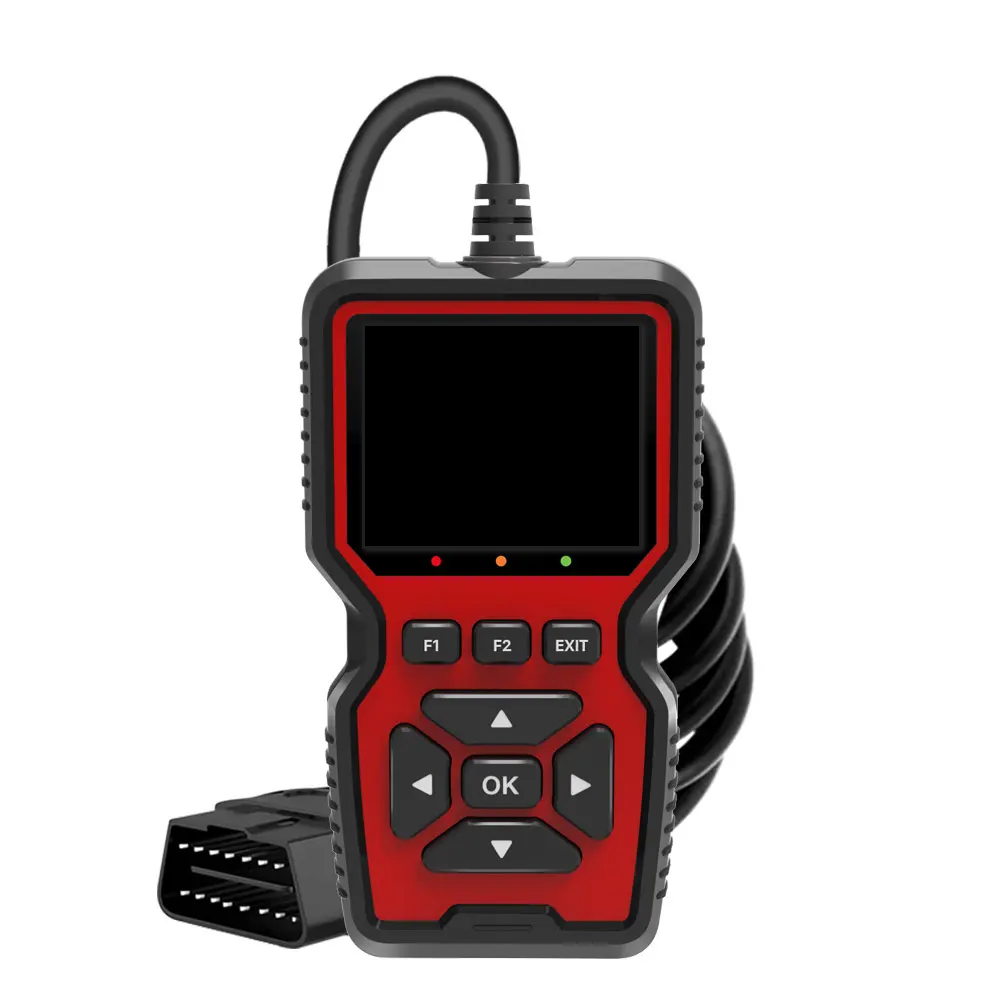
- Connect an OBD-II scan tool capable of communicating with the Body Control Module (BCM/SJB).
- Retrieve all stored DTCs and review freeze frame data. Note if B1511 is a current, pending, or historical fault. Check for any related body control codes.
- If available, access BCM live data for driver door status inputs and observe their values while attempting to use the door handle.
- Visual Inspection:
- Inspect the exterior driver’s door handle for any physical damage, signs of impact, or foreign objects obstructing its movement.
- Carefully examine the wiring harness that passes through the door jamb boot between the door and the vehicle body. Look for chafed, pinched, cut, or corroded wires.
- Remove the driver’s door panel to gain access to the door handle assembly’s electrical connector and the internal door harness. Inspect all wiring and connectors for corrosion, loose terminals, or damage.
- Electrical Circuit Testing (using a Digital Multimeter – DMM):
- Isolate the Circuit: Disconnect the vehicle battery. Disconnect the electrical connector directly at the driver door handle assembly.
- Continuity Test (Open Circuit): Using a DMM in continuity mode, test for continuity between the appropriate terminals of the door handle’s wiring connector (back-probing or using jumper leads) and the corresponding pins at the BCM/SJB connector (refer to vehicle wiring diagrams for pinouts). A lack of continuity indicates an open circuit in the wiring.
- Resistance Test (Handle Switch/Sensor): With the door handle assembly disconnected from the vehicle harness, test the resistance across the switch or sensor terminals within the handle itself (again, refer to manufacturer specifications for expected values). Compare readings to a known-good specification or a passenger-side handle if similar.
- Voltage Drop Test: Reconnect the battery. With the circuit powered and the key on, use the DMM to measure voltage drop across various points of the circuit (e.g., fuse to connector, connector to component) while attempting to actuate the handle. Excessive voltage drop indicates high resistance (e.g., corrosion, loose connection).
- Short to Ground/Voltage Test: With the harness disconnected from both the door handle and the BCM/SJB, check for continuity between each wire in the handle circuit and chassis ground (short to ground) and between each wire and any power supply wire (short to voltage).
- Component Isolation:
- If testing suggests the door handle assembly is faulty, temporarily disconnect it. Clear the code and recheck if the B1511 returns immediately or if other symptoms change.
- If wiring is suspect, and access allows, temporarily bypass sections of the wiring with known-good jumper wires to confirm if the fault lies within the harness itself.
Recommended Repairs and Solutions
Based on the diagnostic findings, the following repairs are commonly recommended:
- Replace Driver Door Handle Assembly: If diagnostic testing confirms an internal fault with the microswitch or sensor within the door handle, replacing the entire driver door handle assembly is typically the most efficient and reliable repair. Ensure the replacement part is an OEM equivalent or a high-quality aftermarket component to ensure proper fitment and functionality. Pay attention to any programming requirements if the new handle contains integrated electronics.
- Repair or Replace Damaged Wiring Harness: If a damaged or corroded wiring harness is identified, repair the affected section using proper automotive wiring repair techniques, including soldering, heat-shrink tubing, and ensuring adequate flexibility in high-flex areas (like the door jamb boot). If the damage is extensive or involves multiple wires, replacing the entire door harness or a significant section might be more practical and reliable.
- Clean or Replace Corroded Connectors: If corrosion is found on electrical connectors, carefully clean the pins using an appropriate electrical contact cleaner and a small bristle brush. Apply dielectric grease to the connector terminals upon reassembly to prevent future corrosion. If the terminals are severely corroded, bent, or damaged, the connector housing and affected terminals should be replaced.
- Replace Driver Door Module (DDM) or Body Control Module (BCM/SJB): This is a less common solution and should only be pursued after thoroughly ruling out the door handle, its wiring, and connectors. If the DDM or BCM is deemed faulty, replacement will be necessary. Be aware that these modules often require specialized dealer tools for programming and configuration to the vehicle’s specific options and VIN.
After any repair, clear the DTCs using a scan tool. Perform several functional tests of the driver’s door handle (locking, unlocking, passive entry) and drive the vehicle to ensure the code does not return and full functionality is restored. Always recheck all connections and ensure no wires are pinched during reassembly of the door panel.