What Does Code B1514 Mean?
DTC B1514 indicates that the Body Control Module (BCM), or in some vehicle architectures, a dedicated Door Control Module (DCM), has detected an electrical short circuit to ground within the driver’s side exterior door handle circuit. This circuit is integral to the vehicle’s passive entry/keyless access system, security features, and in some cases, door latch status monitoring. The BCM continuously monitors the voltage potential and resistance characteristics of this circuit. When the module observes a voltage level on the circuit that is aberrantly low, approximating chassis ground potential, at a time when a specific reference voltage or open-circuit condition is expected, it registers the B1514 fault. This condition signifies an unintended electrical path, impeding the module’s ability to accurately interpret input from the driver’s door handle sensor, which is typically a capacitive touch sensor or a microswitch.
Common Symptoms
- Inoperable Driver’s Door Passive Entry: The keyless entry system for the driver’s door will likely cease to function, requiring manual key fob activation or traditional key usage.
- Intermittent or Failed Door Locking/Unlocking: The power door lock mechanism on the driver’s side may become unresponsive to inputs from the interior switch or remote key fob.
- Security System Malfunctions: False alarms from the vehicle’s anti-theft system or a complete disablement of certain security features related to door access.
- Battery Drain: A persistent short to ground, if drawing significant current, can lead to parasitic battery drain over time.
- Dashboard Warning Indicators: Illumination of a general warning light, security system indicator, or a specific door open/ajar warning, even when the door is closed.
What Causes the Code B1514?
- Damaged Wiring Harness: The most prevalent cause is compromised wiring to the driver’s door handle. Wires can become chafed, pinched, or severed within the door panel, at the flexible boot connecting the door to the A-pillar, or within the handle assembly itself, creating a direct short to chassis ground.
- Faulty Driver Door Handle Switch/Sensor: The capacitive sensor or microswitch integrated within the exterior door handle assembly can suffer internal failure, such as an internal short to ground due to moisture ingress, physical impact, or manufacturing defect.
- Corrosion in Connectors: Water intrusion into the multi-pin connector for the door handle circuit or into the door module connector can lead to oxidation and galvanic corrosion, bridging terminals and creating a short circuit path.
- Aftermarket System Interference: Improper installation of aftermarket accessories (e.g., lighting, security systems, window tinting that damages wiring) can inadvertently create a short circuit on the door handle control circuit.
- Internal Body Control Module (BCM) or Door Module Fault: Less common, but a rare internal failure within the BCM or a dedicated DCM could cause a misinterpretation of circuit status or even an internal short, though this should be diagnosed as a last resort.
How to Diagnose and Troubleshoot
A systematic diagnostic approach is crucial for resolving B1514:
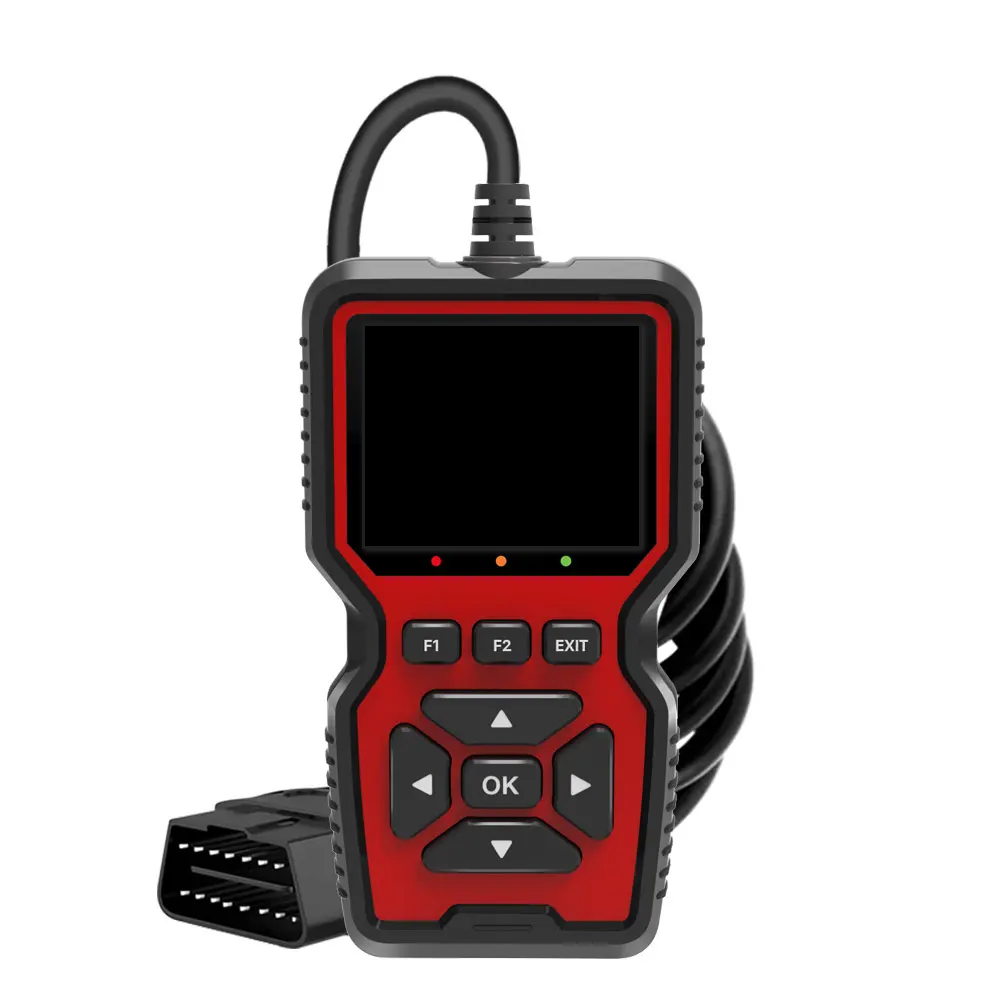
- Retrieve and Analyze Freeze Frame Data: Connect an OBD-II scanner and retrieve any stored freeze frame data associated with B1514. This data provides snapshots of engine and sensor parameters at the moment the DTC was set, which can offer valuable context for troubleshooting.
- Thorough Visual Inspection: Begin by performing a meticulous visual inspection of the driver’s door handle assembly, the surrounding paintwork, and the wiring harness that passes from the door jamb into the door and up to the handle. Look for obvious signs of physical damage, corrosion, pinched wires, frayed insulation, or improperly seated connectors. Pay close attention to the rubber boot between the door and the body.
- Consult Vehicle-Specific Wiring Diagrams: Obtain the precise wiring diagram for the driver’s door handle circuit from the manufacturer’s service information. Identify the signal wire, power supply, and ground connections to the door handle sensor and the BCM/DCM. Note expected voltage levels and resistance values.
- Perform Circuit Continuity and Resistance Tests (DMM):
- Isolate the Door Handle: Disconnect the electrical connector at the driver’s door handle assembly.
- Test Harness for Short to Ground: Using a Digital Multimeter (DMM) set to ohms, measure the resistance between the signal wire pin (identified from the wiring diagram) at the now-disconnected harness connector (leading back to the BCM/DCM) and a known good chassis ground. The reading should be “OL” (open loop) or infinite resistance. If a low resistance value (e.g., < 50 ohms) is present, the short is within the wiring harness between the connector and the control module. Wiggle the harness while observing the DMM for intermittent readings.
- Test Door Handle Component: Now, measure the resistance between the signal pin on the driver’s door handle assembly itself and its designated ground pin (if applicable). Consult service specifications for the expected resistance. If this component shows a direct short to ground (e.g., close to 0 ohms) when it should not, the internal sensor/switch is faulty.
- Test for Power and Ground at Handle: With the harness connected to the BCM/DCM (but handle disconnected), use the DMM to check for appropriate power supply voltage and ground integrity at the harness connector pins that would normally connect to the handle. Ensure the BCM is supplying the correct reference voltage (e.g., 5V or 12V) on the signal line when active.
- Check for Water Intrusion: Carefully inspect the inside of the door handle pocket and the surrounding areas for evidence of water ingress, which can lead to corrosion and shorting.
- Functional Test (Scanner): If available, use the advanced functions of your diagnostic scanner to monitor the real-time status of the driver’s door handle input in the BCM/DCM data stream. This can help confirm if the module is receiving an erroneous ‘activated’ signal due to the short.
Recommended Repairs and Solutions
Once the root cause of B1514 has been definitively identified, proceed with the appropriate repair:
- Wiring Harness Repair/Replacement: If the diagnostic steps indicate a short within the wiring harness, the damaged section must be repaired. For minor chafing or insulation damage, use high-quality, adhesive-lined heat-shrink tubing and electrical tape. For severed or significantly damaged wires, perform a butt-solder splice using appropriate gauge wire and seal with heat shrink. If the damage is extensive or involves multiple wires in a critical area, replacement of the affected sub-harness may be the most reliable solution. Ensure all wiring is properly routed and secured to prevent future damage.
- Driver Door Handle Assembly Replacement: If the internal sensor or switch within the door handle itself is found to be shorted, the entire exterior door handle assembly typically requires replacement. Refer to the vehicle’s service manual for specific removal and installation procedures, as this can involve careful disassembly of the door panel and potentially delicate components. Be aware that some replacement handles may require programming or calibration with the BCM/DCM using a diagnostic scanner.
- Connector Cleaning and Sealing: If corrosion is identified within a connector, carefully disconnect it and use a specialized electrical contact cleaner and a small brush (e.g., dental pick) to thoroughly clean all terminal pins. After cleaning, apply a thin layer of dielectric grease to prevent future corrosion and ensure the connector is fully seated and its seals are intact.
- Address Aftermarket Modifications: If aftermarket accessories are implicated, temporarily disconnect or remove them to see if the fault clears. Re-install or re-wire them correctly, ensuring they do not interfere with OEM wiring.
- BCM/Door Module Replacement: Only consider replacing the BCM or Door Control Module after all other possibilities have been meticulously ruled out. This is a complex and often expensive repair that necessitates specialized diagnostic equipment for programming and configuration to the vehicle’s specific options and VIN. Verify all power, ground, and communication bus inputs to the module before condemning it.