What Does Code P1682 Mean?
DTC P1682 indicates a detected malfunction within the Metering Oil Pump (MOP) circuit. In most applications, particularly in vehicles utilizing rotary engines such as those found in Mazda RX-8 models (13B-MSP Renesis engine), the MOP is an electronically controlled pump responsible for injecting precise quantities of engine oil directly into the combustion chambers (specifically, into the intake manifold or directly into the rotor housing) for lubrication of critical components like apex seals. The Engine Control Module (ECM), often referred to as the Powertrain Control Module (PCM), monitors the operation of the MOP. The ECM typically controls the MOP via a Pulse Width Modulated (PWM) signal to regulate its output. It may monitor the MOP’s internal position sensor (if equipped), current draw, or operational feedback to ensure it is functioning correctly and delivering the commanded oil volume. When the ECM detects a discrepancy between the commanded MOP operation and its actual state, or an electrical fault within the MOP circuit (e.g., an open circuit, short circuit, or out-of-range sensor signal), it will set code P1682. This code directly affects the engine’s dedicated lubrication system for internal wear surfaces, which is critical for engine longevity and performance, especially in high-revving rotary engines.
Common Symptoms
- Check Engine Light (MIL) Illumination: This is almost always the first and most direct indicator.
- Reduced Engine Performance: The engine may exhibit a lack of power, rough running, hesitation, or misfires due as a result of improper lubrication and increased internal friction.
- Increased Exhaust Smoke: If the MOP is over-delivering oil or stuck open, more oil than necessary will be burned, leading to noticeable blue or white smoke from the exhaust.
- Increased Engine Oil Consumption: Due to excessive oil injection or internal MOP leakage.
- Unusual Engine Noises: In severe cases of under-lubrication, components may experience accelerated wear, leading to knocking, ticking, or grinding sounds.
- Difficulty Starting: Although less common, severe MOP issues can indirectly affect combustion efficiency.
What Causes the Code P1682?
- Faulty Metering Oil Pump (MOP): This is the most common cause, including issues with the internal motor, gears, or solenoid mechanisms of the pump itself.
- Wiring Harness Problems: An open circuit, short to ground, short to power, or high resistance within the MOP’s electrical wiring harness or connectors. This includes damaged, corroded, or loose connections.
- Defective MOP Position Sensor: If the MOP incorporates a position sensor for feedback to the ECM, a fault in this sensor can trigger the code.
- Clogged MOP Oil Lines or Nozzles: Blockages in the small lines or injector nozzles that deliver oil from the MOP to the engine can prevent proper oil flow, even if the pump itself is functioning electrically.
- ECM/PCM Malfunction: While less common, an internal fault within the ECM/PCM’s MOP driver circuit can cause this code.
- Low or Incorrect Oil in MOP Reservoir: Some MOP systems, particularly in rotary engines, utilize a separate reservoir for dedicated MOP oil. Insufficient or incorrect oil can lead to operational issues.
How to Diagnose and Troubleshoot
Diagnosis of P1682 requires careful electrical and mechanical inspection. Always begin with safety precautions, including disconnecting the battery before working on electrical components.
- Initial Scan Tool Analysis:
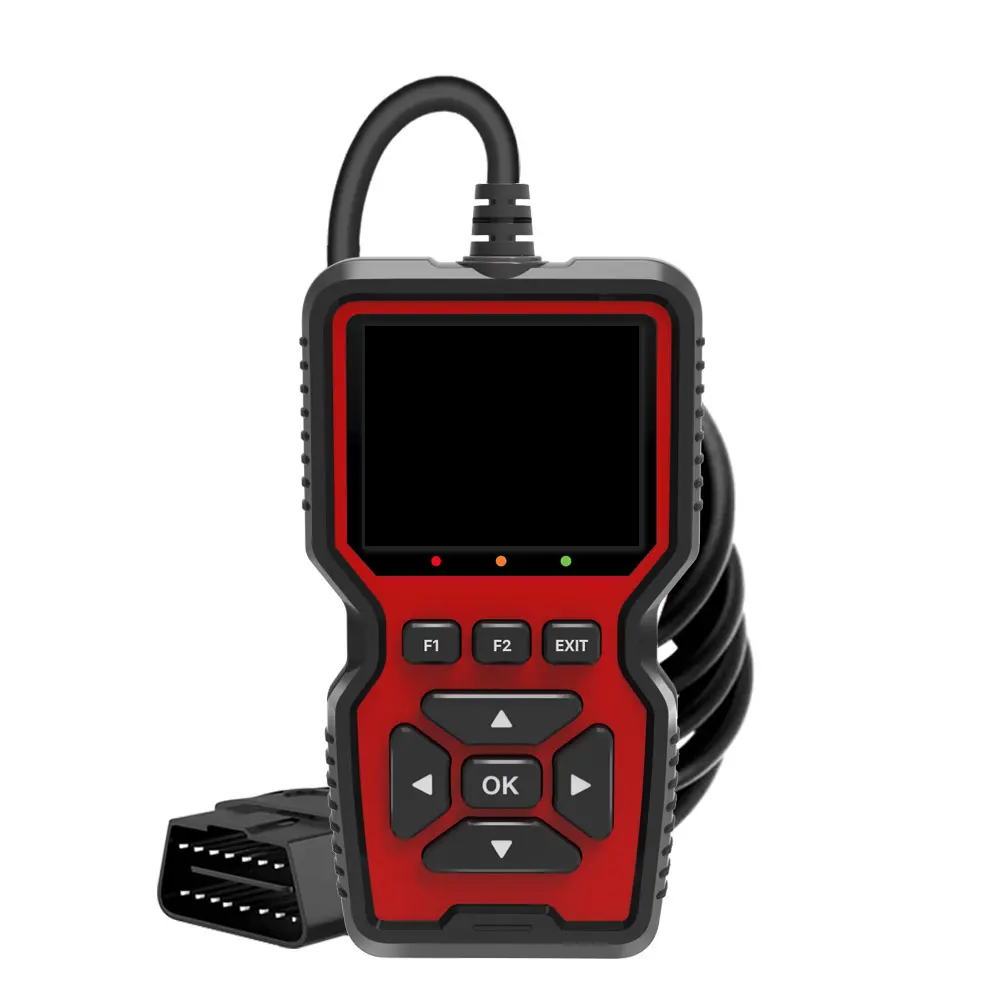
- Connect an OBD-II scanner to confirm P1682 is present.
- Note any accompanying DTCs, especially U-codes (network communication) or other engine-related codes, which might indicate a broader electrical issue.
- Review freeze frame data to understand engine conditions (RPM, load, temperature) when the fault was recorded. This can help replicate the conditions during testing.
- Clear the DTCs and perform a brief test drive to see if the code immediately returns.
- Visual Inspection:
- Locate the MOP assembly. Inspect its wiring harness and connector for any signs of physical damage, fraying, cuts, corrosion, or loose terminals.
- Check the oil lines leading from the MOP to the engine for kinks, cracks, leaks, or blockages.
- If applicable, verify the oil level in the MOP’s dedicated reservoir (e.g., in Mazda RX-8, this is integrated with the main engine oil system but has specific MOP passages).
- Electrical System Checks (Using a Digital Multimeter – DMM):
- MOP Resistance Check: Disconnect the MOP electrical connector. Using a DMM, measure the resistance across the MOP motor terminals (refer to the vehicle-specific service manual for the correct terminals and resistance values). An open circuit (OL) or a resistance value significantly outside specifications indicates an internal MOP motor failure.
- Power Supply Check: With the ignition ON, measure for battery voltage at the MOP power supply wire(s) at the disconnected connector. If no voltage is present, trace the circuit back to the fuse box and ECM/PCM.
- Ground Circuit Check: Measure for good ground continuity at the MOP ground wire(s) at the disconnected connector. A reading near 0 ohms indicates a good ground.
- Signal Circuit Check (if applicable): If the MOP has a dedicated feedback signal wire (e.g., for a position sensor), check for appropriate voltage or resistance values as specified in the service manual. For PWM control signals, an oscilloscope provides a more accurate diagnosis than a DMM.
- Wiring Harness Continuity & Short Checks: Disconnect both the MOP connector and the ECM/PCM connector. Use the DMM to check for continuity on all MOP control wires between the MOP connector and the ECM/PCM connector. Also, check each wire for shorts to ground and shorts to power. Look for resistances approaching infinity (open) or near zero (short).
- Bi-directional Scan Tool Testing:
- If your scan tool supports bi-directional control, attempt to command the MOP to operate through its full range. Listen for the MOP’s characteristic whine or movement.
- Monitor live data related to MOP position, duty cycle, or current draw feedback (if available) while commanding the pump. Discrepancies here can pinpoint internal MOP issues or command signal problems.
Recommended Repairs and Solutions
Addressing P1682 typically involves resolving the identified electrical or mechanical fault within the metering oil pump system.
- Repair or Replace Wiring/Connectors: If the diagnosis reveals damaged, corroded, or open/shorted wiring or connectors in the MOP circuit, perform necessary repairs or replace the affected harness section. Ensure all connections are clean and secure.
- Replace Metering Oil Pump (MOP) Assembly: In the majority of cases, P1682 is resolved by replacing the complete MOP assembly. This is particularly true if internal electrical resistance tests fail, or if bi-directional control shows the pump is not responding correctly, despite proper power and ground. Ensure the replacement part is an OEM equivalent or specified by the manufacturer.
- Clean or Replace MOP Oil Lines/Nozzles: If visual inspection or flow testing indicates blockages in the MOP’s delivery lines or nozzles, clean them thoroughly or replace them. Carbon buildup can restrict oil flow significantly.
- Refill/Top-off MOP Oil: If the MOP system uses a dedicated oil reservoir, ensure it is filled to the appropriate level with the correct specification oil. In rotary engines, ensure the main engine oil level is correct as the MOP typically draws from this.
- ECM/PCM Replacement: This should be considered a last resort, only after all other possibilities have been exhaustively ruled out and a definitive fault with the ECM/PCM’s MOP driver circuit has been confirmed. ECM replacement often requires specialized programming and calibration.
- Post-Repair Verification: After any repair, clear all stored DTCs. Start the engine and allow it to reach operating temperature. Perform a comprehensive test drive under varying load and RPM conditions, mimicking the freeze frame data if applicable. Use the scan tool to monitor MOP-related live data (if available) and confirm that the P1682 code does not return.