What Does Code B1554 Mean?
DTC B1554 signifies a diagnostic trouble in the vehicle’s Body Control Module (BCM) or a related subsystem, specifically indicating a Decklid Release Circuit Short To Ground. This code is generated when the BCM, which is responsible for monitoring and controlling various body electrical functions including the trunk or tailgate release mechanism, detects an unintended electrical path to ground within the decklid release circuit. Under normal operation, the BCM expects to see a specific voltage potential (typically battery voltage or a modulated signal) on the control or power supply wire for the decklid release actuator when the circuit is inactive, or a controlled ground signal upon activation. When a “short to ground” occurs, the voltage on this circuit drops to near zero volts, and potentially an excessive current draw is observed by the BCM. This condition is interpreted as an abnormal state, preventing proper operation of the decklid release function and subsequently logging the B1554 code in the BCM’s memory. This typically affects the vehicle’s convenience features and may disable the electronic trunk release system.
Common Symptoms
- Inoperative Decklid/Trunk Release: The primary symptom is the inability to open the trunk or decklid using any electronic means (remote fob, interior switch, or external trunk release button).
- Blown Fuse: The fuse protecting the decklid release circuit may repeatedly blow due to the excessive current draw caused by the short to ground.
- Battery Drain: If the short is constant and draws a significant amount of current, it can lead to parasitic battery drain over time, resulting in a dead battery.
- Warning Light Illumination: Depending on the vehicle’s system, a general body electrical warning light or a specific trunk-ajar indicator might illuminate, even if the trunk is properly closed.
What Causes the Code B1554?
- Damaged Wiring Harness: The most frequent cause involves chafed, pinched, or severed wires within the decklid release circuit. This damage commonly occurs where the wiring passes through the trunk lid hinges, grommets, or other areas subject to movement and abrasion, allowing the conductor to make direct contact with the vehicle’s chassis (ground).
- Faulty Decklid Release Actuator/Solenoid: An internal electrical short within the actuator motor or solenoid itself can cause the power or signal wire to short to the actuator’s metal housing, which is typically grounded.
- Corroded Electrical Connectors: Moisture ingress or physical damage to the multi-pin connectors associated with the decklid release actuator, switch, or BCM can lead to corrosion or bridging of pins, creating an unintended short circuit to ground.
- Faulty Decklid Release Switch: An internal short within the cabin-mounted or external decklid release switch can cause it to continuously send a ground signal or create an internal short to ground, falsely activating or disabling the circuit.
- Faulty Body Control Module (BCM): While less common, an internal short within the BCM’s driver circuit for the decklid release output could potentially cause a B1554 code. This would typically be a last resort diagnosis after ruling out all external wiring and component issues.
How to Diagnose and Troubleshoot
Accurate diagnosis of B1554 requires a systematic approach, often utilizing a Digital Multimeter (DMM) and visual inspection.
- Visual Inspection:
- Begin by visually inspecting the entire wiring harness leading to the decklid release actuator. Pay meticulous attention to areas where the harness passes through the trunk lid hinges, rubber grommets, or any points where it might be subject to rubbing, pinching, or sharp edges. Look for visible signs of insulation damage, exposed copper, or evidence of water intrusion.
- Examine all electrical connectors involved in the decklid release circuit for corrosion, bent pins, or signs of heat damage.
- Fuse Inspection:
- Locate and inspect the fuse(s) designated for the decklid release circuit in the vehicle’s fuse box(es). A blown fuse is a strong indicator of a short circuit. If the fuse is blown, do not immediately replace it without further investigation, as it will likely blow again.
- Digital Multimeter (DMM) Testing – Circuit Isolation:
- Safety First: Disconnect the negative battery terminal before performing any resistance checks to prevent accidental shorts or damage to components.
- Isolate the Actuator: Disconnect the electrical connector from the decklid release actuator.
- Test Harness for Short to Ground: Set your DMM to measure resistance (Ohms). Place one DMM lead on the power/signal wire terminal within the disconnected wiring harness connector (the wire that supplies power to the actuator). Place the other DMM lead on a known good chassis ground point. A reading approaching 0 ohms (indicating continuity) signifies a short to ground within the wiring harness itself. A reading of “OL” (Open Line) or very high resistance indicates the harness wire is likely not shorted to ground in this segment.
- Test Actuator for Internal Short (if harness is clear): If the harness tests good, now test the actuator. With the actuator disconnected from the harness, connect one DMM lead to the actuator’s power input terminal and the other lead to the actuator’s metal casing (if grounded) or its ground terminal. A very low resistance reading indicates an internal short within the actuator.
- Test Release Switches: Disconnect the electrical connector(s) from both the interior and exterior decklid release switches. Using the DMM in resistance mode, check for continuity between the switch’s output terminal and ground when the switch is in its resting (not pressed) position. There should be no continuity (OL). If continuity to ground is present, the switch is internally shorted.
- OBD-II Scanner:
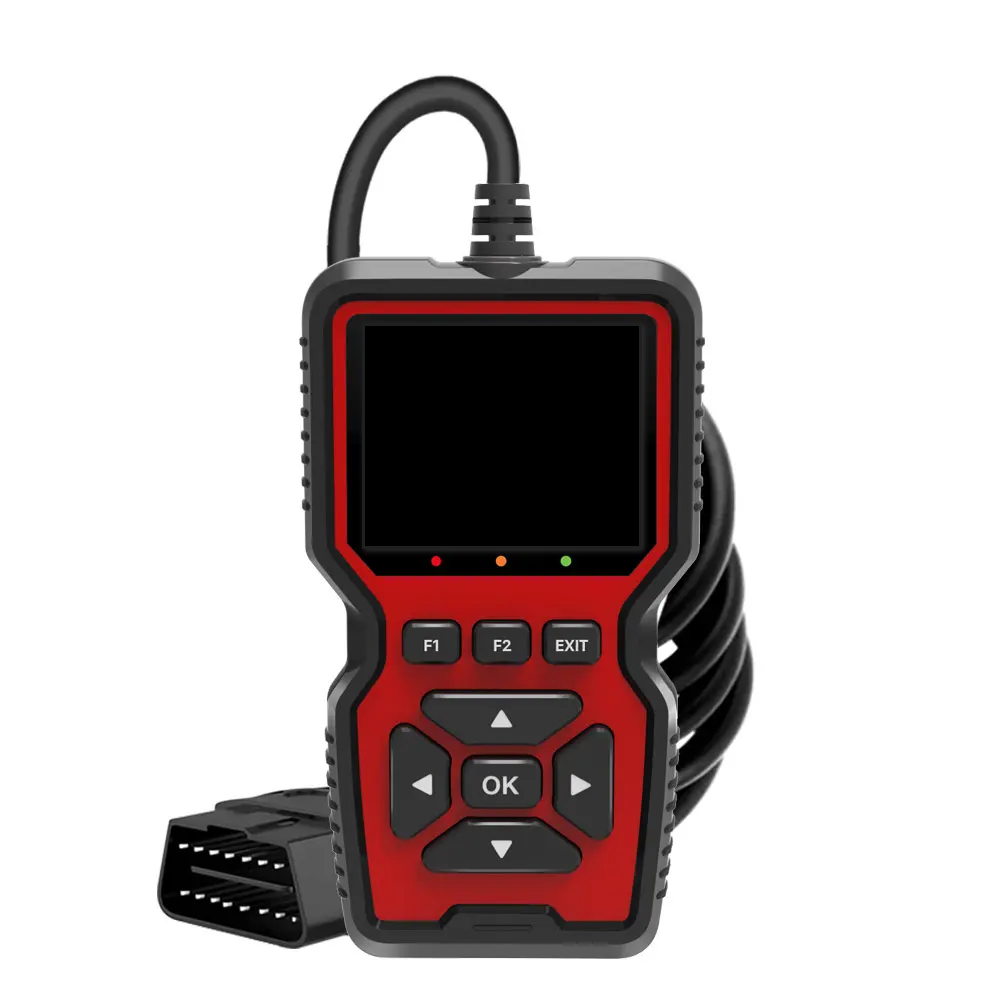
- After performing repairs, use an OBD-II scanner to clear the B1554 code. Re-scan the system to confirm the code does not immediately return, indicating a successful repair. Some advanced scanners may also offer live data parameters from the BCM to monitor the status of the decklid release circuit.
Recommended Repairs and Solutions
The repairs for code B1554 typically involve addressing the identified short circuit. The specific repair will depend on the component that tested faulty.
- Repair or Replace Damaged Wiring:
- If a damaged wire in the harness is identified, the most effective repair is to replace the entire damaged section using appropriate automotive-grade wire of the correct gauge, soldered connections, and heat shrink tubing for insulation. Ensure the repair is flexible and protected with conduit or looming to prevent future abrasion. Pay particular attention to the wiring near the trunk hinges, ensuring adequate slack and proper routing to prevent re-chafing.
- Replace Faulty Decklid Release Actuator/Solenoid:
- If the actuator is diagnosed with an internal short, it must be replaced. Ensure the replacement part is an OEM equivalent or a high-quality aftermarket component specific to your vehicle make and model.
- Clean or Replace Corroded Connectors:
- If corrosion is found, clean the connector terminals thoroughly using specialized electrical contact cleaner and a small brush. If the corrosion is severe, or terminals are bent/damaged, the connector shell and individual terminals should be replaced. Apply dielectric grease to the terminals upon reassembly to prevent future corrosion.
- Replace Faulty Decklid Release Switch:
- If an internal short in the release switch is confirmed, replace the switch unit. These are typically sealed units and are not repairable.
- Body Control Module (BCM) Replacement:
- If all external wiring, connectors, switches, and the actuator have been thoroughly tested and confirmed to be in good working order, and the B1554 code persists, then and only then should a faulty BCM be considered. BCM replacement is complex, often requires specialized programming or “coding” to the vehicle, and should typically be performed by a dealership or a shop with advanced diagnostic capabilities.
Expert Mechanic’s Tip: For intermittent shorts, a “wiggle test” can be invaluable. With your DMM connected to the suspected shorted wire (measuring resistance to ground), gently manipulate and wiggle the wiring harness, particularly in areas prone to damage (like hinges). If the resistance fluctuates or drops to near zero during this movement, you’ve likely pinpointed the exact location of the intermittent short.