What Does Code B1559 Mean?
DTC B1559 indicates a malfunction within the door lock cylinder circuit, specifically related to the electrical signal received by the Body Control Module (BCM) or a module with integrated BCM functionality. This code is typically set when the BCM detects an abnormal voltage or resistance value on the circuit connected to the door lock cylinder switch. The door lock cylinder switch, activated by inserting and rotating a physical key in the door lock, sends a signal to the BCM to indicate whether the door is being locked or unlocked. The BCM monitors this circuit for out-of-range conditions, such as an open circuit (high resistance or no voltage), a short to ground (low or zero voltage), or a short to voltage (unexpectedly high voltage). When these electrical parameters deviate from the manufacturer’s specified values for a calibrated period, the BCM registers the B1559 code. This subsystem directly affects the vehicle’s key-operated locking and unlocking functions and can influence integrated security systems or remote keyless entry (RKE) operations.
Common Symptoms
- The door lock/unlock mechanism fails to respond when the physical key is inserted and rotated in the door lock cylinder.
- Central locking system does not activate or deactivate when the key is used in the door cylinder, though it may work with the remote or interior switch.
- Remote Keyless Entry (RKE) system may become inoperable or inconsistent, particularly if its functionality relies on communication with the door lock cylinder status.
- The vehicle’s security system indicator light or a general warning light on the instrument cluster may illuminate.
- The affected door may remain permanently locked or unlocked, depending on the specific circuit failure mode.
What Causes the Code B1559?
- Faulty Door Lock Cylinder Switch: The most common cause, involving internal mechanical wear, electrical contact degradation, or failure of the microswitch assembly within the lock cylinder.
- Wiring Harness Damage: An open circuit, short to ground, or short to voltage in the wiring connecting the door lock cylinder switch to the Body Control Module (BCM). This often occurs where the wiring passes through the door jamb conduit due to repeated flexing, chafing, or pinching.
- Corrosion in Electrical Connectors: Oxidation, water intrusion, or contamination in the multi-pin connectors at either the door lock cylinder switch or the BCM, leading to increased resistance or intermittent connections.
- Physical Damage to Lock Cylinder or Actuator: Excessive force, attempted theft, or a physical impact can damage the internal mechanism of the lock cylinder or the integrated switch.
- Faulty Body Control Module (BCM): While less frequent, an internal failure within the BCM’s input monitoring circuit for the door lock cylinder can cause it to misinterpret correct signals or fail to provide proper circuit bias voltage.
How to Diagnose and Troubleshoot
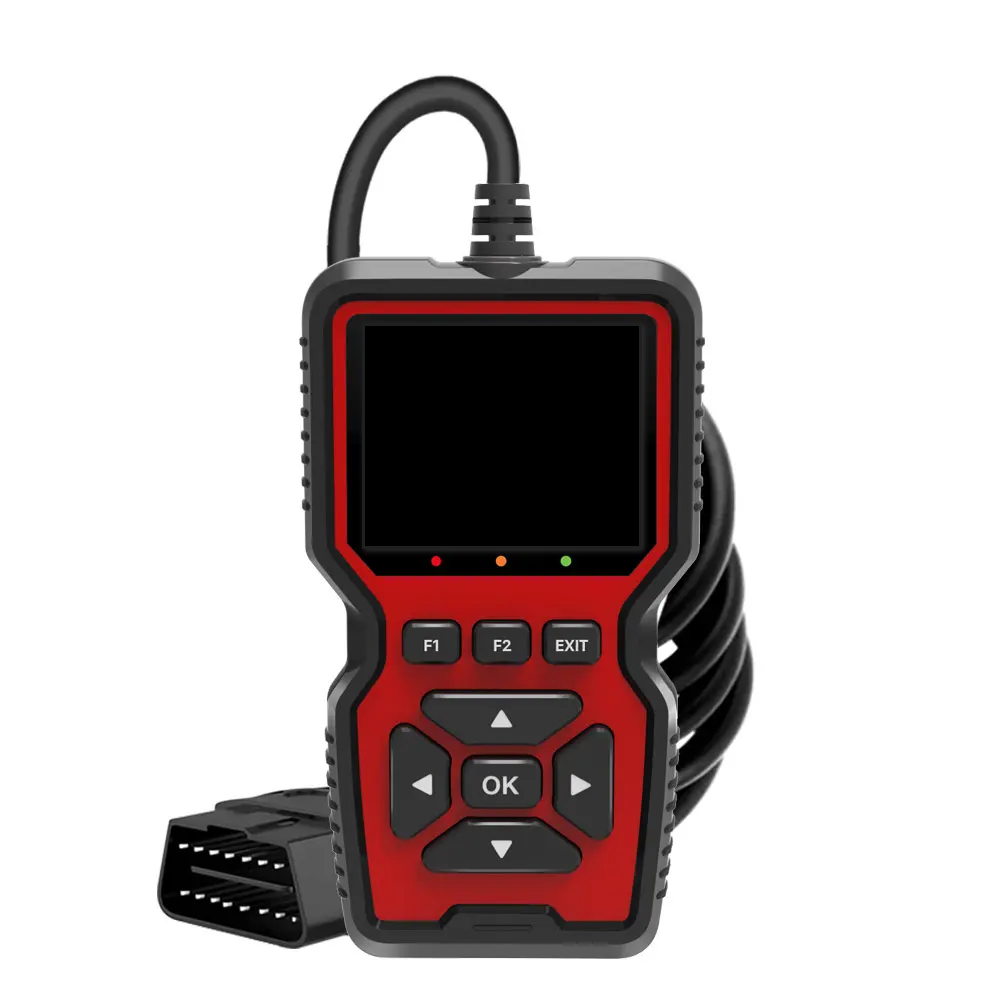
Diagnosis of B1559 requires a systematic approach, utilizing a digital multimeter (DMM), an OBD-II scanner, and detailed service information.
- Retrieve DTCs and Freeze Frame Data: Connect an OBD-II scanner to the vehicle’s DLC. Retrieve the B1559 code and any accompanying codes. Pay close attention to freeze frame data, which captures sensor values and operating conditions at the time the code was set. This information can provide clues regarding the failure state (e.g., locked vs. unlocked, voltage readings).
- Visual Inspection:
- Inspect the affected door lock cylinder for any signs of physical damage, tampering, or forced entry.
- Carefully inspect the wiring harness that runs from the door lock cylinder switch, particularly through the door jamb accordion boot, for signs of chafing, cuts, pinches, or breaks.
- Access the electrical connectors at the door lock cylinder switch (often located within the door panel) and the BCM (location varies by vehicle, consult service manual). Inspect pins for corrosion, bending, or looseness.
- Digital Multimeter (DMM) Testing:
- Circuit Integrity Test (Continuity and Resistance):
- IMPORTANT: Disconnect the vehicle’s battery before performing continuity tests to prevent accidental shorts or damage to modules.
- Access the wiring diagram for the door lock cylinder circuit from the vehicle’s service manual. Identify the wires running from the door lock cylinder switch to the BCM.
- Disconnect the harness connectors at both the door lock cylinder switch and the BCM.
- Using the DMM in continuity mode or resistance mode, test each wire individually from end to end. An open circuit (OL or very high resistance) indicates a break in the wire. Compare readings to specified values if available.
- Short to Ground/Voltage Test:
- With both ends of the circuit wires disconnected, check for continuity between each wire and a known good chassis ground. Any continuity indicates a short to ground.
- Similarly, check for continuity between each wire and a known 12V source (e.g., battery positive terminal, with caution). Any continuity indicates a short to voltage.
- Door Lock Cylinder Switch Functionality Test:
- If the switch is separate from the lock actuator, disconnect only the switch connector. Using the service manual’s wiring diagram, identify the switch’s terminals.
- Using the DMM in resistance or continuity mode, operate the mechanical door lock cylinder (if possible to simulate key turn) and observe the switch’s output. The resistance or continuity should change as per service specifications (e.g., open in one position, closed in another). A switch that shows no change or always shows an open/closed circuit regardless of position is faulty.
- Voltage Signal Test at BCM:
- Reconnect the battery. With the door lock cylinder switch fully connected, back-probe the appropriate wire(s) at the BCM connector (as identified in the wiring diagram).
- Operate the door lock cylinder with the key and observe the voltage readings. Compare these readings to the service manual’s specified voltage levels for “lock” and “unlock” states. Abnormal or absent voltage signals here suggest an issue with the switch or the wiring upstream.
- Circuit Integrity Test (Continuity and Resistance):
- BCM Input Verification: If all switch and wiring tests pass, but the BCM is not responding correctly, use the OBD-II scanner’s live data function to monitor the BCM’s input for the door lock cylinder circuit. If the BCM shows no change in state despite correct physical operation and verified input voltage at the BCM connector, the BCM itself may be faulty.
Recommended Repairs and Solutions
Once the root cause of B1559 has been identified through thorough diagnosis, the following repairs are typically recommended:
- Repair or Replace Damaged Wiring: If damaged wiring is found, perform a professional repair using appropriate automotive-grade wire, crimp connectors, and heat-shrink tubing. Ensure connections are secure and weatherproof. If the damage is extensive, replace the entire section of the wiring harness.
- Clean Corroded Connectors: If corrosion is present in the connectors, carefully clean the pins using an electrical contact cleaner and a small brush. Ensure all moisture is removed, and apply dielectric grease to the terminals to prevent future corrosion before reassembly.
- Replace Door Lock Cylinder Switch: If the DMM tests confirm the door lock cylinder switch is faulty, replace the component. This often requires removal of the inner door panel and careful disassembly of the door lock mechanism. Ensure the replacement part is compatible with the vehicle’s make and model.
- Replace Door Lock Actuator Assembly: In some modern vehicles, the door lock cylinder switch is an integral part of the larger door lock actuator assembly. In such cases, the entire assembly may need to be replaced. Consult the service manual for specific procedures.
- Body Control Module (BCM) Replacement and Programming: If all other components (wiring, switch) test good, and BCM input verification indicates an internal fault, the BCM may need replacement. This is typically a dealer-level repair, as new BCMs often require programming and configuration to the specific vehicle using specialized diagnostic tools. This should be considered a last resort after thoroughly ruling out all other possibilities.
- Post-Repair Verification: After performing any repair, clear the DTCs with the OBD-II scanner. Operate the door lock cylinder multiple times using the key in both lock and unlock positions. Drive the vehicle and re-scan for codes to confirm the repair is successful and the B1559 code does not return.