What Does Code B1560 Mean?
DTC B1560 indicates an Open Circuit in the Door Lock Cylinder Switch. This diagnostic trouble code is typically stored in the Body Control Module (BCM), or in some vehicle architectures, a dedicated Door Control Module (DCM) or Driver/Passenger Door Module (DDM/PDM). The door lock cylinder switch is a momentary contact switch integrated with the physical key cylinder, distinct from the power door lock actuator or the remote keyless entry (RKE) system. Its primary function is to signal the BCM when a mechanical key is inserted and turned to either the lock or unlock position. The BCM monitors the electrical circuit for this switch, typically looking for a specific voltage change or resistance value when the switch is actuated. When the BCM detects an absence of this expected electrical signal change, or a complete lack of continuity in the circuit where it should be present, it interprets this as an “open” condition, triggering code B1560. This implies a disruption in the electrical path, preventing the module from receiving the critical input signal from the mechanical key turn.
Common Symptoms
- Inability to Lock or Unlock Doors with the Key: The primary symptom is that turning the physical key in the door lock cylinder does not actuate the central locking system for that door or the entire vehicle.
- Security System Malfunction: The vehicle’s alarm or immobilizer system may not arm or disarm correctly when the key is used in the door cylinder, potentially leading to false alarms or inability to start the vehicle.
- Warning Light Illumination: A security system warning light or a general system malfunction indicator light might illuminate on the instrument cluster.
- No Interior Light Activation: In some vehicles, turning the key in the door cylinder might be programmed to activate interior dome lights or provide an entry chime; these functions may be inoperative.
- No Live Data Input on Scan Tool: When monitoring the door lock cylinder switch status in the BCM’s live data stream, the input will not register as active when the key is turned.
What Causes the Code B1560?
- Open Circuit in the Door Lock Cylinder Switch Wiring: This is the most prevalent cause, often due to frayed, cut, or corroded wires within the door harness, especially where the wiring passes through the door jamb conduit.
- Faulty Door Lock Cylinder Switch: The internal contacts of the mechanical switch itself can wear out, become corroded, or break, leading to an open circuit condition regardless of key position.
- Corroded or Loose Electrical Connectors: Poor connection at the door lock cylinder switch, at the main door harness connector, or at the BCM/DCM connector can interrupt the circuit continuity.
- Physical Damage to the Door Lock Cylinder Assembly: Impact or prolonged wear can damage the integrated switch or its wiring, leading to an open circuit.
- Damaged Body Control Module (BCM) or Door Control Module (DCM): While less common, an internal fault within the monitoring module (BCM or DCM) that manages the door lock cylinder input circuit could be the cause.
How to Diagnose and Troubleshoot
Diagnosing B1560 requires a systematic approach focusing on circuit integrity:
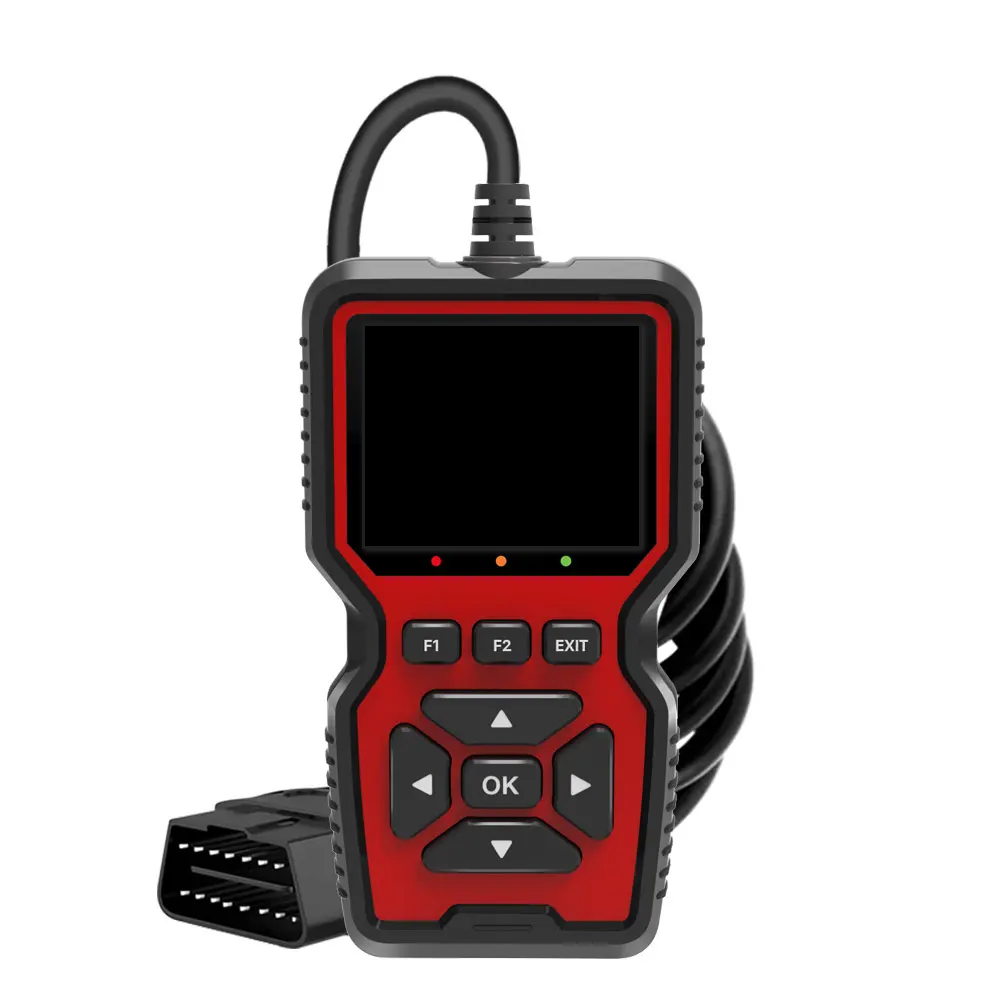
- Retrieve and Document Freeze Frame Data: Use an advanced OBD-II scan tool to retrieve the B1560 code and any associated freeze frame data. Note the conditions under which the code was set. Check for other related B-codes or C-codes that might indicate a broader module or communication issue.
- Visual Inspection:
- Inspect the affected door’s wiring harness, particularly where it passes from the door frame into the door through the rubber boot (door jamb conduit). Look for chafed, cut, or pinched wires.
- Carefully remove the door trim panel and inspect the electrical connector at the door lock cylinder switch. Check for corrosion, bent pins, or signs of physical damage.
- Inspect the door lock cylinder assembly itself for any visible damage or debris that might impede switch operation.
- Scan Tool Live Data Analysis:
- Access the BCM or DCM’s live data stream using your scan tool. Look for parameters related to “Door Lock Cylinder Switch Status,” “Key in Cylinder Input,” or similar inputs.
- With the ignition on, manually actuate the key in the door lock cylinder (lock and unlock positions). Observe if the scan tool’s live data registers any change in status. If it consistently reads “Open” or “Inactive,” even with key turns, it confirms the BCM is not receiving the signal.
- Electrical Circuit Testing (Digital Multimeter – DMM):
- Isolate the Switch: Disconnect the electrical connector from the door lock cylinder switch.
- Test the Switch: Using your DMM set to continuity or resistance mode, probe the terminals of the door lock cylinder switch while manually actuating the key cylinder. The switch should show continuity (or a specific resistance value) in one or both key turn positions and open (infinite resistance) in the neutral position. If the switch remains open in all positions, the switch itself is faulty.
- Test the Wiring Harness: Refer to the vehicle’s specific wiring diagram to identify the signal, power, and ground wires for the door lock cylinder switch.
- Continuity to BCM/DCM: With the battery disconnected and the switch connector unplugged, test for continuity from each wire at the door lock cylinder connector back to its respective terminal at the BCM/DCM connector (unplug BCM/DCM first). An open circuit (infinite resistance) on the signal wire confirms a wiring break.
- Short to Ground/Voltage: Test each wire for a short to vehicle chassis ground and for a short to battery voltage.
- Voltage Supply Check: With the switch disconnected, test for proper reference voltage (typically 5V or 12V) on the appropriate wire at the door lock cylinder connector, as specified by the wiring diagram. This confirms the BCM/DCM is providing power to the circuit.
Recommended Repairs and Solutions
Based on diagnostic findings, the following repairs are commonly recommended:
- Repair or Replace Damaged Wiring: If an open circuit is found in the wiring harness, repair the damaged section using appropriate automotive-grade wire, crimp connectors with heat shrink, or solder connections. Ensure the repair is properly insulated and routed to prevent future damage, especially in the door jamb conduit.
- Replace the Door Lock Cylinder Switch: If the switch itself tests faulty, replace it. In many cases, the switch is integrated into the door lock cylinder assembly and may not be separately serviceable, requiring replacement of the entire cylinder. Ensure the replacement part is specific to the vehicle’s make and model.
- Clean and Secure Electrical Connectors: If corrosion or a loose connection was identified, clean the connector terminals using an electrical contact cleaner and ensure a secure, tight fit. Application of dielectric grease can help prevent future corrosion.
- Replace the Door Lock Cylinder Assembly: If the switch is integral to the cylinder and cannot be replaced separately, or if the cylinder itself is physically damaged, replacement of the entire assembly will be necessary. Note that replacing the door lock cylinder may require keying the new cylinder to match the existing vehicle keys or require new keys and reprogramming, depending on the system.
- BCM/DCM Replacement (Last Resort): If all wiring and switch components test good, and there’s no input signal detected by the module, the BCM or DCM itself might be faulty. This should only be considered after exhaustive testing of the external circuit. Module replacement often requires specialized programming or calibration using an OEM-level scan tool.
Mechanic’s Tips: Always start with the simplest diagnostic steps. When disassembling door panels, be mindful of hidden fasteners, clips, and wiring to avoid further damage. After any repair, clear the DTC B1560 and perform multiple functional tests of the door lock cylinder by repeatedly turning the key in both lock and unlock positions to ensure the repair is effective and the signal is consistently recognized by the control module.