What Does Code B1561 Mean?
Diagnostic Trouble Code (DTC) B1561 indicates a specific electrical fault within the door lock cylinder circuit, characterized as a “Short To Battery”. While generic OBD-II scanner interfaces may present this code as monitored by the Powertrain Control Module (PCM) or Engine Control Module (ECM), it is critical to understand that B-codes (Body codes) are primarily detected and managed by the vehicle’s dedicated body control module (BCM), General Electronic Module (GEM), or another similar system-specific controller responsible for body electrical functions. This module monitors the voltage input from the door lock cylinder switch circuit. The door lock cylinder typically incorporates a microswitch or contact switch that signals the module when a key is inserted and turned (e.g., to lock or unlock the door mechanically). The module expects a specific voltage potential or state change on this input wire, often a momentary ground signal or a specific voltage drop through a resistor ladder. A “short to battery” condition means the signal wire from the door lock cylinder switch is inadvertently receiving a voltage close to the vehicle’s battery voltage (Vbat) when it should not be. This constant or unintended high voltage input biases the circuit, preventing the module from correctly interpreting the switch’s intended operation and often activating the lock/unlock function or preventing it from working altogether.
Common Symptoms
- Inoperative Power Door Locks: The power door locks may not respond to manual key turns in the door lock cylinder, or may fail to operate via the interior switch or keyless entry remote.
- Intermittent or Unintended Door Lock Cycling: The door locks may spontaneously cycle between locked and unlocked states without user input.
- Keyless Entry Remote Malfunction: The remote may cease to function or exhibit erratic behavior.
- Security System Malfunction: The vehicle’s alarm system may trigger false alarms or become inoperable due to misinterpretation of the door lock status.
- Warning Lights: Illumination of security indicator lamps, or, in some cases, door ajar warnings if the module’s logic is confused by the constant signal.
What Causes the Code B1561?
- Damaged or Pinched Wiring: The most common cause is physical damage to the wiring harness leading to the door lock cylinder switch, particularly where the harness passes through the door jamb (due to repeated opening and closing of the door) or inside the door panel, causing insulation to wear through and the signal wire to short to a constant power wire (Vbat).
- Faulty Door Lock Cylinder Switch: An internal electrical short within the door lock cylinder’s integrated switch assembly itself, causing it to continuously send a high voltage signal regardless of key position.
- Water Intrusion or Corrosion: Moisture ingress into the door lock cylinder, its electrical connector, or the door harness can create a conductive path between the signal wire and a power source, leading to a short.
- Improper Aftermarket Component Installation: Incorrect wiring or poor connections made during the installation of aftermarket accessories (e.g., remote start, alarm systems) can accidentally short the door lock cylinder circuit to battery voltage.
- Body Control Module (BCM)/GEM Internal Fault: While less common, an internal fault within the body control module itself, specifically a damaged input circuit for the door lock cylinder, could cause it to falsely detect a “short to battery” or an internal component shorting to Vbat.
How to Diagnose and Troubleshoot
A systematic diagnostic approach is crucial for accurately identifying the root cause of B1561:
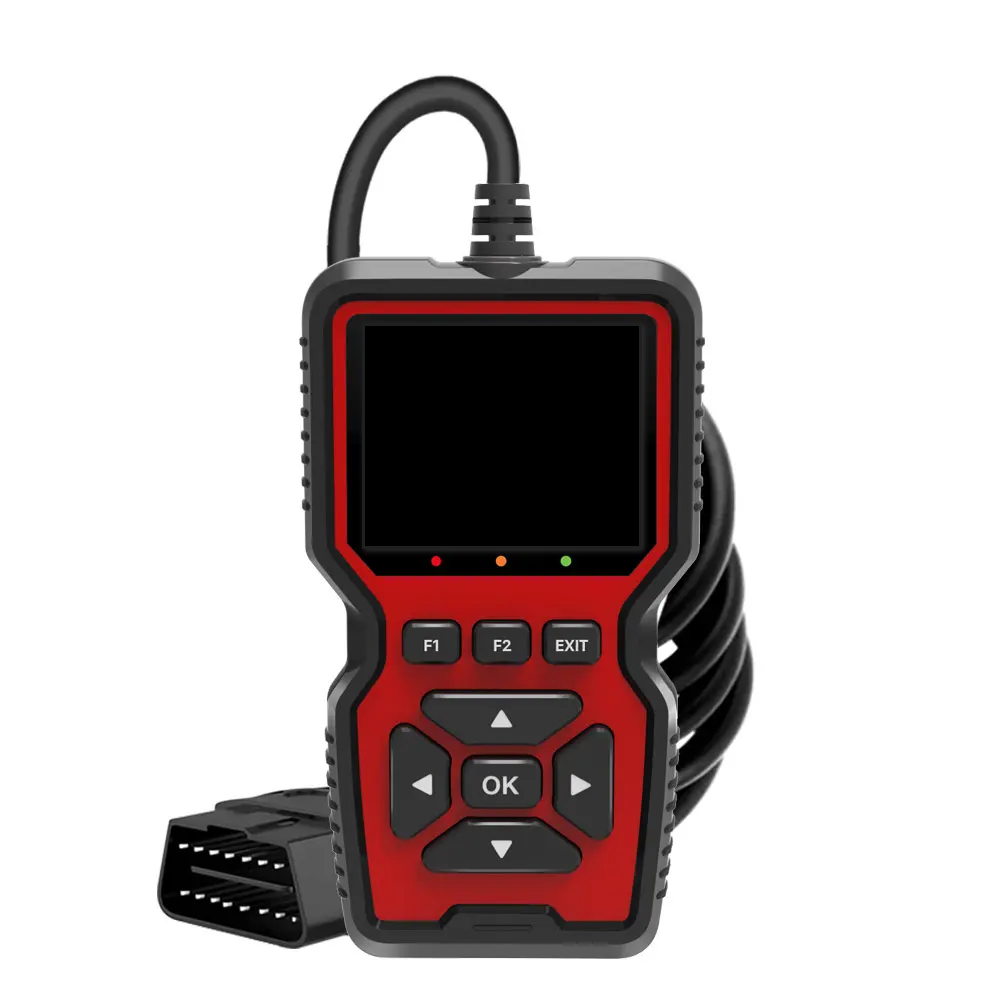
- Retrieve and Document DTCs: Connect an OBD-II scanner capable of accessing body control module data. Retrieve all stored DTCs, paying attention to any other B-codes, C-codes, or U-codes that may be present, as they could indicate related issues or provide context. Note any freeze frame data.
- Visual Inspection:
- Begin with a thorough visual inspection of the wiring harness that runs from the door lock cylinder assembly into the door panel and through the door jamb. Look for any signs of chafing, pinching, cuts, corrosion, or exposed wires. Pay close attention to the flexible conduit area between the door and the A-pillar.
- Inspect the electrical connector at the door lock cylinder switch for corrosion, bent pins, or loose connections.
- Check for any evidence of water intrusion inside the door panel.
- Wiring Diagram Analysis: Obtain the precise wiring diagram for the vehicle’s year, make, and model. Identify the door lock cylinder circuit, including the signal wire, any power feeds (if applicable to the switch), and ground connections. Understand the expected voltage states for the signal wire (e.g., what voltage it should read when the key is turned, and when it is at rest).
- Digital Multimeter (DMM) Testing – Circuit Isolation:
- Disconnect the Door Lock Cylinder Switch: Disconnect the electrical connector from the door lock cylinder switch.
- Test for Voltage on Signal Wire (Harness Side): With the ignition ON (but engine OFF), use a DMM to measure the voltage on the signal wire terminal of the harness connector (the wire leading back to the BCM/GEM). If the DMM reads battery voltage (Vbat) or near-Vbat, the short is in the wiring harness between this connector and the BCM/GEM. The circuit should typically read near 0V or a specific pull-up voltage from the module, not Vbat, when the switch is disconnected.
- Test for Continuity to Ground and Power: With the harness connector still disconnected from the switch and the battery disconnected from the vehicle, check for continuity between the signal wire terminal and chassis ground. There should be no continuity. Also, check for continuity between the signal wire terminal and any known constant or ignition-switched power wires in the same harness; there should be no continuity.
- Digital Multimeter (DMM) Testing – Switch Integrity:
- If the harness side tests confirm no external short, the fault may lie within the door lock cylinder switch itself.
- With the switch disconnected from the harness, use the DMM to test the switch’s internal contacts. Consult the wiring diagram for expected resistance values or continuity states. Often, turning the key will create continuity between the signal pin and a ground pin, or alter resistance values. Check for any internal shorts within the switch by testing resistance between the signal terminal and any power or ground terminals when the key is in the ‘rest’ position; there should be no unintended continuity or low resistance.
- Wiggle Test: While monitoring the relevant live data PID on the scanner (if available, e.g., ‘door lock cylinder input state’) or with the DMM connected to the signal wire, carefully wiggle, bend, and manipulate the wiring harness, especially in the door jamb area. Any fluctuation in the reading or a change to the Vbat condition would indicate an intermittent short in the wiring.
Recommended Repairs and Solutions
Once the source of the short is accurately identified, perform the following repairs:
- Repair Damaged Wiring: If the visual inspection or DMM tests reveal a short in the wiring harness, meticulously repair the damaged section. Use proper automotive wiring repair techniques, including soldering connections and insulating with heat-shrink tubing. Avoid using crimp connectors where possible, as they can fail over time. Ensure the repaired section is properly routed and secured to prevent future damage.
- Replace Faulty Door Lock Cylinder Switch: If the door lock cylinder switch is determined to be internally shorted or defective, it must be replaced. This often involves replacing the entire door lock cylinder assembly, or a separate microswitch assembly if available.
- Clean Corroded Connectors: If corrosion was found at the connector, carefully clean the terminals using an electrical contact cleaner and a small brush. Apply dielectric grease to the connector pins before reassembly to prevent future corrosion.
- Address Water Intrusion: If water intrusion is evident, identify and seal the entry point (e.g., damaged door vapor barrier, failed weatherstripping) to prevent recurrence.
- Remove or Correct Aftermarket Wiring: If aftermarket accessory installation is implicated, trace the accessory wiring and correct any improper connections that caused the short. Restore the factory wiring integrity.
- Body Control Module (BCM) Replacement: Only consider BCM/GEM replacement as a last resort, after all external wiring, components, and connectors have been thoroughly tested and ruled out. BCM replacement typically requires programming or configuration with a specialized diagnostic tool to match the vehicle’s options and VIN.
- Clear DTCs and Verify Repair: After completing repairs, clear the B1561 DTC using an OBD-II scanner. Operate the door lock system multiple times using the key, interior switch, and remote to ensure full functionality and that the code does not return.