What Does Code B1562 Mean?
DTC B1562 indicates a detected electrical short to ground within the door lock cylinder switch circuit. This code is typically set by the Body Control Module (BCM) or a dedicated Door Control Module (DCM), which monitors the electrical integrity and operational status of various body electrical components, including the door lock cylinder switches. The door lock cylinder switch, often a mechanical switch with electrical contacts or a Hall effect sensor, sends a signal to the BCM when the key is turned in the door lock cylinder. This signal instructs the BCM to either lock or unlock the vehicle doors. The BCM expects to see a specific voltage range or resistance value on this circuit during normal operation and when the switch is activated. When the BCM detects that the voltage on this circuit is abnormally low, consistently at or near zero volts (indicating a direct path to ground), it registers a short circuit condition. This short circuit prevents the BCM from accurately reading the switch input, leading to a B1562 fault code. The affected subsystem is primarily the vehicle’s central locking and security system, potentially impacting key-in-door lock functions and related security logic.
Common Symptoms
- Inoperable Door Lock/Unlock Function via the physical key in the affected door lock cylinder.
- Intermittent or Constant Activation of Door Locks if the short causes a false signal.
- Security System Malfunctions, such as the alarm randomly activating or failing to arm/disarm correctly.
- Warning Lights on Instrument Panel related to security or door systems (e.g., “SERVICE THEFT DETERRENT SYSTEM”).
- Battery Drain if the short is drawing constant current, though this is less common for a signal circuit short.
- Remote Keyless Entry Inconsistency, as the BCM may enter a fault mode affecting all lock commands.
What Causes the Code B1562?
- Damaged or Chafed Wiring Harness: The wiring leading to the door lock cylinder switch can become chafed, pinched, or cut, especially in the door jamb area where it flexes, causing it to short to the vehicle’s chassis ground.
- Faulty Door Lock Cylinder Switch: An internal short circuit within the switch itself, where the signal terminal is inadvertently connected to its ground terminal or the switch body.
- Water Intrusion and Corrosion: Moisture entering the door cavity can corrode the switch terminals, connector, or wiring, leading to a short to ground.
- Damaged Connector: The electrical connector for the door lock cylinder switch may have bent pins, corrosion, or damaged insulation causing an internal short.
- Aftermarket Accessory Installation: Improper installation of aftermarket alarm systems, remote starters, or audio equipment can inadvertently damage or short the door lock cylinder circuit.
How to Diagnose and Troubleshoot
Diagnosis of B1562 requires careful electrical testing and visual inspection:
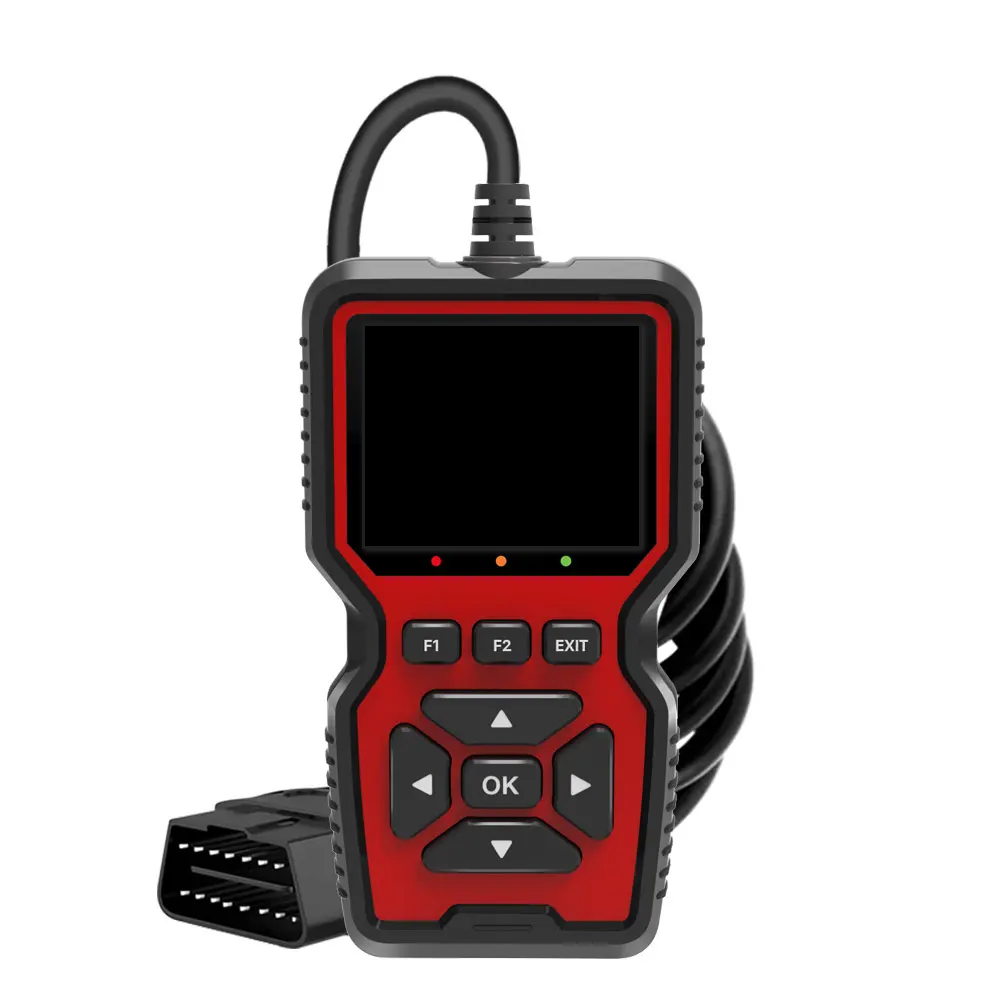
- Verify Code and Related Information: Connect an OBD-II scanner capable of reading B-codes. Confirm B1562 is present. Check for any other related codes (e.g., U-codes related to BCM communication or other door-specific B-codes) and retrieve freeze frame data, if available, which can provide context about conditions when the code was set.
- Visual Inspection: Begin by visually inspecting the wiring harness that passes from the body through the door jamb boot into the affected door. Look for signs of chafing, pinching, cuts, or corrosion. Remove the door panel to inspect the wiring leading to the door lock cylinder switch and its connector for similar damage or signs of water intrusion.
- Access the Door Lock Cylinder Switch Connector: Disconnect the electrical connector from the door lock cylinder switch.
- Test for Short to Ground in Harness (DMM):
- With the BCM (or DCM) still connected and the ignition ON, measure the voltage on the signal wire (the wire that carries the switch input to the BCM) at the disconnected switch connector. If the BCM is supplying a reference voltage (e.g., 5V or 12V), a short in the wiring will pull this voltage down significantly, likely to near 0V.
- Turn the ignition OFF. Using a digital multimeter (DMM) set to resistance (Ohms), measure the resistance between the signal wire terminal on the vehicle’s harness side (not the switch side) and a known good chassis ground. A reading close to 0 ohms indicates a direct short to ground in the wiring harness. A high resistance reading (OL or infinite) suggests the harness itself is not shorted to ground.
- Test the Door Lock Cylinder Switch (DMM):
- If the harness tested clear, the fault likely lies within the switch itself. With the switch disconnected from the vehicle harness, use a DMM to test the switch. Depending on the switch type (momentary contact, resistive ladder), you will either check for continuity between terminals when activated or measure resistance values. Consult the vehicle-specific wiring diagram for expected switch operation and resistance values. If the switch shows a constant short between its signal output terminal and its ground terminal, even when not activated, it is faulty.
- Check BCM/DCM Input: If both the harness and switch test clear, the issue could theoretically be an internal BCM/DCM fault, though this is less common. With the switch and harness connected, back-probe the signal wire at the BCM/DCM connector while operating the door lock cylinder to ensure the signal is correctly reaching the module and the module is reacting appropriately.
Recommended Repairs and Solutions
Once the source of the short circuit has been identified, the appropriate repair can be made:
- Repair Damaged Wiring: If the wiring harness is chafed or cut, repair the damaged section using appropriate automotive-grade wire, solder, and heat-shrink tubing. Ensure the repair is robust and adequately protected to prevent future damage, especially in high-flex areas like door jambs. Consider replacing the entire door harness if damage is extensive.
- Replace Faulty Door Lock Cylinder Switch: If the diagnostic steps confirm an internal short within the door lock cylinder switch, replace the switch. Ensure the new switch is an exact fit for the vehicle’s make, model, and year.
- Address Water Intrusion: If water ingress was a contributing factor, identify the source (e.g., failed door membrane, clogged drain) and repair it to prevent future occurrences. Clean any corrosion on connectors or terminals using electrical contact cleaner.
- Replace Damaged Connectors: If the electrical connector itself is corroded or damaged, splice in a new connector using proper crimping tools and heat-shrink connectors.
- Verify Repair and Clear Codes: After completing the repair, reconnect all components. Clear the DTC B1562 using the OBD-II scanner. Operate the door lock cylinder multiple times to confirm proper function. Perform a road test if necessary and re-scan the system to ensure the code does not return.