What Does Code B1563 Mean?
DTC B1563 signifies a “Door Ajar Circuit Failure” within the vehicle’s Body Control Module (BCM) or an equivalent integrated control unit (e.g., Front Control Module, Gateway Module). This code indicates that the BCM has detected an electrical malfunction in the circuit responsible for monitoring the open/closed status of one or more doors. The door ajar switches, typically integrated into the door latch assembly, provide an electrical signal to the BCM. This signal usually involves a change in voltage or ground path when a door transitions from closed to open. When the BCM observes an unexpected voltage, an open circuit, a short to ground, or a short to voltage that does not correlate with the physical state of the doors (e.g., switch stuck open, switch stuck closed, or a permanent fault in the wiring), it registers B1563. This directly impacts body electrical subsystems such as interior lighting, warning chimes, security systems, and potentially automatic locking mechanisms, as the module cannot accurately determine the status of the vehicle’s doors.
Common Symptoms
- Door Ajar Warning Light Illumination: The indicator on the instrument cluster remains on, even when all doors are securely closed.
- Persistent Warning Chime: The “door ajar” warning chime continuously sounds while driving or when the ignition is on.
- Interior Lights Malfunction: Dome lights or courtesy lights may remain illuminated when they should turn off, or fail to illuminate when a door is opened.
- Security System Irregularities: The vehicle’s alarm system may incorrectly interpret an open door, leading to false alarms or preventing the system from arming properly.
- Automatic Door Lock Anomalies: Automatic door lock functions (e.g., speed-sensitive locking, remote locking) may not operate correctly.
- Battery Drain: If interior lights remain on due to the faulty circuit, it can lead to parasitic battery drain over time.
What Causes the Code B1563?
- Faulty Door Ajar Switch: The most prevalent cause, where the internal contacts of the switch (often part of the door latch assembly) are stuck open, stuck closed, or have become intermittent due to wear, corrosion, or mechanical failure.
- Damaged Wiring Harness: Open circuits, shorts to ground, or shorts to voltage within the wiring leading to the door ajar switch, particularly common in the flexible harness sections that pass through the door jambs, where wires are subjected to constant flexing.
- Corroded Electrical Connectors: Oxidation or contamination in the electrical connectors at the door latch, door jamb, or the Body Control Module (BCM) can lead to high resistance or intermittent signal loss.
- Poor Ground Connection: An inadequate or corroded ground point for the door ajar circuit can cause erroneous readings by the BCM.
- Faulty Body Control Module (BCM): While less common, an internal defect within the BCM’s input circuit for the door ajar signal can trigger this DTC.
How to Diagnose and Troubleshoot
Diagnosis of B1563 requires a systematic approach, combining visual inspection with electrical circuit testing:
- Visual Inspection: Begin by inspecting all door jamb areas. Look for physical damage to the door ajar switches, which are typically integrated into the door latch mechanism. Check for bent, broken, or corroded pins in the electrical connectors at each door latch. Examine the wiring harnesses running through the rubber boots between the door and the chassis for signs of chafing, pinching, or cuts.
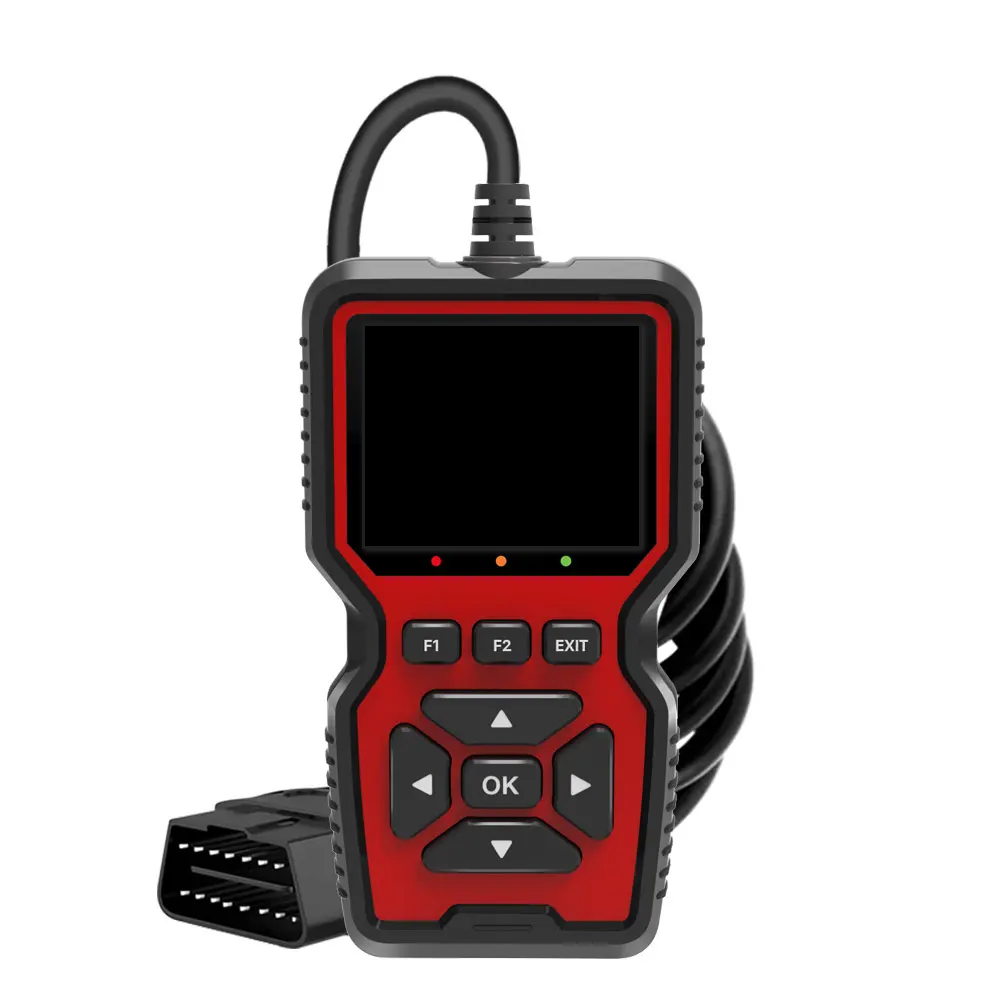
- OBD-II Scan Tool Analysis: Connect a professional-grade OBD-II scan tool capable of communicating with the BCM. Access the BCM’s live data stream and look for parameters related to individual door status (e.g., “Left Front Door Ajar Switch,” “Right Rear Door Ajar Status”). With the scan tool monitoring, open and close each door one by one. Observe which door’s status parameter either does not change as expected or shows an erroneous reading when the door is closed. This step is crucial for identifying the specific door circuit causing the fault.
- Digital Multimeter (DMM) Testing – Door Ajar Switch:
- Once a specific door is suspected, disconnect the electrical connector from its door latch assembly.
- Refer to the OEM wiring diagram for the specific pin-out and expected operation of the door ajar switch (typically a normally open or normally closed switch that grounds a circuit when the door is open).
- Using a DMM set to continuity or resistance mode, test across the switch terminals while manually actuating the switch (simulating door open/closed). Verify that the switch changes state (e.g., continuity when open, open circuit when closed, or vice-versa) and that resistance values are within OEM specifications (typically very low resistance for continuity). High resistance or no change in state indicates a faulty switch.
- Digital Multimeter (DMM) Testing – Wiring Integrity:
- With the BCM connector and the suspected door latch connector disconnected, use the DMM to perform continuity checks on the signal wire(s) from the door jamb to the BCM connector. Ensure there are no open circuits (infinite resistance).
- Check for shorts to ground: Place one DMM lead on the signal wire and the other on a known good chassis ground. There should be no continuity (infinite resistance). If continuity is found, trace the wiring for insulation damage.
- Check for shorts to voltage: Reconnect the BCM, turn the ignition to the “ON” position (do not start the engine), and measure voltage on the signal wire at the door latch connector (disconnected from the latch). Compare to OEM specifications; any abnormal voltage could indicate a short to power or a faulty BCM output.
- Verify power and ground supplied to the door ajar circuit if applicable, checking for proper reference voltage or ground at the switch connector.
Recommended Repairs and Solutions
Addressing DTC B1563 typically involves direct component replacement or circuit repair:
- Replace Faulty Door Ajar Switch/Latch Assembly: In most cases, the door ajar switch is an integral part of the door latch assembly. Once testing confirms the switch is faulty, replacing the entire door latch assembly is the most common and effective solution. Always use OEM or high-quality aftermarket components for reliability.
- Repair Damaged Wiring: If testing reveals an open circuit, short to ground, or short to voltage in the wiring harness, the damaged section must be repaired. Utilize proper automotive wiring repair techniques, including soldering (if applicable), heat-shrink tubing, and appropriate gauge wire. Avoid temporary fixes like electrical tape. Ensure the repaired section retains flexibility, especially in door jamb areas, to prevent future failures.
- Clean and Secure Connectors: If corrosion or loose connections are found, disconnect the affected connectors, thoroughly clean the terminals with electrical contact cleaner, and apply a small amount of dielectric grease to prevent future corrosion. Ensure all connections are fully seated and locked.
- Address Poor Ground Connections: If a faulty ground is identified, clean the ground point thoroughly, ensuring good metal-to-metal contact, and securely fasten the ground wire.
- BCM Replacement/Reprogramming: If all wiring, switches, and connections test as good, and power/ground supplies are confirmed correct, a faulty BCM may be the culprit. This is a less common and more expensive repair, often requiring the new BCM to be programmed to the vehicle’s specific options and VIN by a dealership or a specialist with appropriate diagnostic tools.
Mechanic’s Tips: Always consult the vehicle’s specific wiring diagrams and service information for accurate pin-outs, wire colors, and expected voltage/resistance values. After any repair, clear the DTCs with the scan tool and perform multiple functional tests of all door-related systems (open/close doors, check interior lights, arm/disarm security) to ensure the issue is resolved and the code does not return.