What Does Code B1566 Mean?
DTC B1566 signifies a detected fault within the vehicle’s door ajar monitoring circuit, specifically indicating a “Door Ajar Circuit Short To Ground.” This code is typically registered by the Body Control Module (BCM) or, in some Ford applications, the General Electronic Module (GEM). These modules are responsible for monitoring the status of all vehicle doors (and sometimes hood/trunk/tailgate) via dedicated input circuits. Each door ajar switch is usually a simple mechanical switch designed to close a circuit to ground when the door is open, and open the circuit when the door is closed. The BCM/GEM supplies a reference voltage to this circuit and expects to see that voltage drop to near zero volts when a door is open (due to the switch completing a path to ground). When code B1566 is set, the BCM/GEM detects a continuous ground path on the monitored door ajar circuit, even when the respective door is physically closed. This implies an unintended electrical short to the vehicle’s chassis ground somewhere in the wiring or within the door ajar switch itself, causing the module to perpetually interpret that door as being open.
Common Symptoms
- “Door Ajar” Warning: The instrument cluster will display a “Door Ajar” message or illuminate a warning light, even when all doors are securely closed.
- Interior Lights Remaining On: Dome lights, courtesy lights, or puddle lamps may stay illuminated, leading to potential battery drain.
- Security System Malfunctions: The vehicle’s alarm system may fail to arm, or it may trigger false alarms due to the BCM/GEM sensing an open door.
- Continuous Chime: An audible warning chime indicating an open door may sound constantly while driving.
- Central Locking Issues: The power door locks may not function correctly, or the system may repeatedly try to lock or unlock doors.
- Power Window Intermittence: In some vehicles, power window operation may be inhibited or erratic if the system erroneously believes a door is open.
What Causes the Code B1566?
- Shorted Wiring Harness: The electrical wire connecting the door ajar switch to the BCM/GEM has chafed or otherwise sustained damage, causing it to directly contact the vehicle’s chassis ground. This is a common failure point in door jambs, hinges, or areas where wiring passes through body panels.
- Faulty Door Ajar Switch: The switch itself, often integrated into the door latch mechanism, has internally failed in a way that creates a permanent short to ground, regardless of the door’s actual position. Corrosion or mechanical damage within the switch can lead to this condition.
- Corroded Electrical Connectors: Moisture intrusion or general aging can lead to corrosion within the electrical connectors linking the door ajar switch to the main wiring harness or at the BCM/GEM. This corrosion can create an unintended conductive path to ground.
- BCM/GEM Internal Fault: While less common, an internal short or component failure within the Body Control Module (or General Electronic Module) itself could cause the module to falsely detect a ground on the door ajar input circuit.
How to Diagnose and Troubleshoot
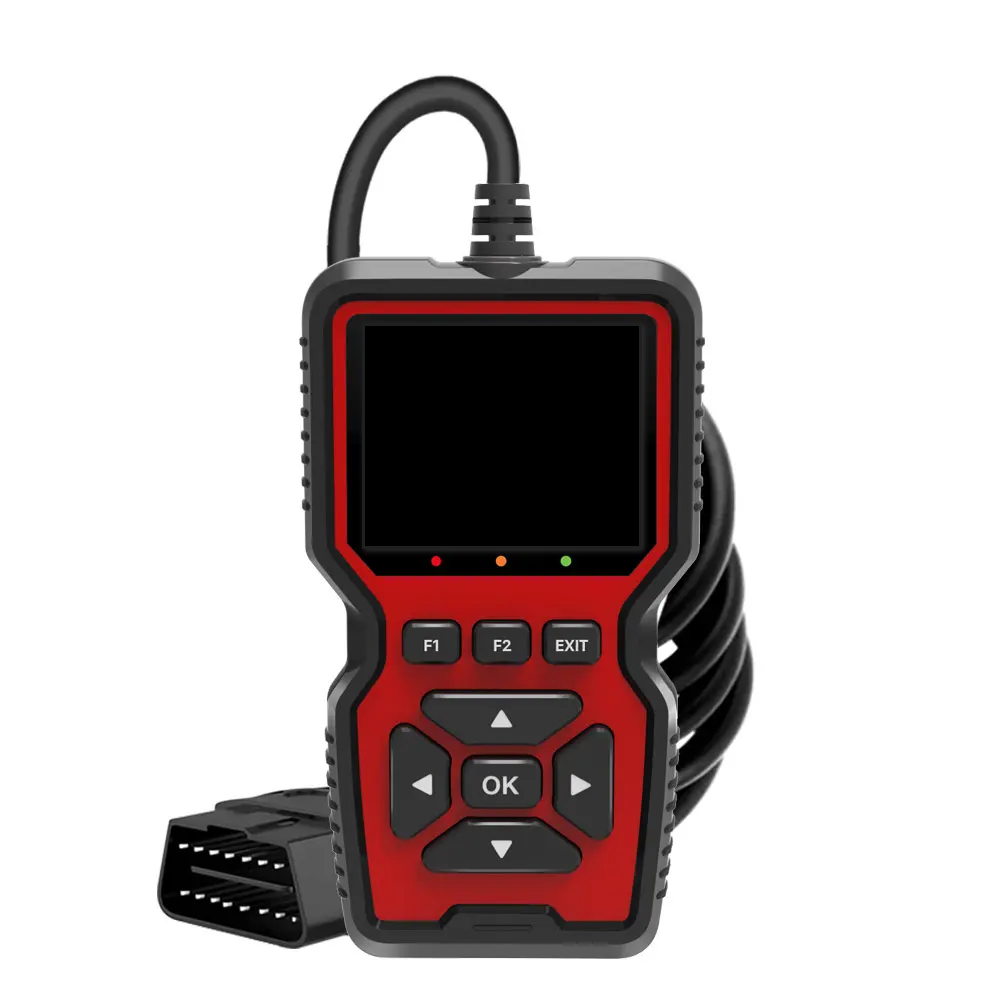
Effective diagnosis of B1566 requires a systematic approach, often utilizing a digital multimeter (DMM) and a capable OBD-II scanner:
- Verify the Complaint and Identify Affected Door: Use an advanced OBD-II scanner or factory diagnostic tool to confirm the presence of B1566. Many systems will specify which particular door (e.g., Driver Front, Passenger Rear) is registering the fault. If not specified, all door ajar circuits will need inspection.
- Visual Inspection: Begin by visually inspecting the wiring harnesses in the door jambs of the suspected door(s). Look for obvious signs of chafing, pinching, cuts, or corrosion where the wiring passes through the door or body. Check connectors for bent pins, corrosion, or looseness.
- Obtain Wiring Diagram: Consult the vehicle-specific wiring diagram for the door ajar circuit. This will identify the wire colors, connector pinouts, and the BCM/GEM input terminal for the affected door. Understand if the switch provides a ground when open or when closed, and the BCM’s monitoring strategy (e.g., pull-up voltage to ground).
- Isolate and Test the Door Ajar Switch (DMM):
- Locate the suspected door ajar switch, which is frequently integrated into the door latch assembly. Disconnect its electrical connector.
- Using a DMM set to continuity or ohms, test the switch side of the connector. With the door open, the switch should show continuity to ground (or very low resistance). With the door closed, it should show an open circuit (OL or very high resistance).
- If the switch consistently shows continuity to ground regardless of the door’s physical position, the switch is faulty and internally shorted.
- Test the Wiring Harness for Short to Ground (DMM):
- With the door ajar switch still disconnected at the door, and the BCM/GEM connector for the relevant input wire also disconnected (consult wiring diagram for pinout), test the wiring harness.
- Place one lead of the DMM (set to continuity or ohms) on the door ajar signal wire at the switch connector end, and the other lead to a known good chassis ground.
- The DMM should show an open circuit (OL or very high resistance). If it shows continuity or low resistance, there is a short to ground in the wiring harness between the door ajar switch connector and the BCM/GEM connector.
- Additionally, if the BCM provides a pull-up voltage, with the BCM connected and the switch disconnected, back-probe the BCM input pin (or the wire leading to it). You should see reference voltage (e.g., 5V or 12V). If it’s near 0V, even with the switch disconnected, there’s a short in the wiring.
- Live Data Monitoring (Scan Tool): If available, monitor the door ajar switch status in the BCM’s live data stream. Disconnect the electrical connector for the suspected door ajar switch. If the live data status changes from “Open” to “Closed,” it strongly indicates a faulty switch. If it remains “Open,” the short is likely in the wiring harness.
Recommended Repairs and Solutions
Once the source of the short to ground has been identified through systematic diagnosis, the appropriate repair can be executed:
- Replace Faulty Door Ajar Switch: If DMM testing confirmed an internally shorted switch, replace it. Be aware that many modern door ajar switches are integrated into the door latch assembly, meaning the entire latch mechanism will need to be replaced. Ensure the new component is an OEM equivalent or meets OE specifications for proper functionality and fitment.
- Repair or Replace Shorted Wiring: If the wiring harness is found to be chafed, cut, or otherwise shorted to ground, the damaged section must be repaired. Use appropriate gauge wire, solder connections (do not simply twist and tape), and seal with heat-shrink tubing to ensure a durable, weather-resistant repair. If the damage is extensive or in an inaccessible area, replacement of the entire harness section may be necessary. Ensure proper routing to prevent recurrence.
- Clean Corroded Connectors: If corrosion was identified in connectors, carefully clean the terminals using electrical contact cleaner and a small brush. After cleaning, apply a thin coat of dielectric grease to prevent future corrosion before reassembling the connector. Ensure all terminals are fully seated.
- Address BCM/GEM Faults: If all other possibilities have been ruled out and the BCM/GEM is suspected (e.g., verified by testing BCM output/input circuits directly), then the BCM/GEM module itself may need to be replaced. This often requires programming or configuration with a specialized diagnostic tool after installation.
- Clear DTC and Retest: After completing any repairs, use an OBD-II scanner to clear the B1566 diagnostic trouble code. Operate all doors several times, and then re-check for the code to ensure the repair was successful and the issue does not return. Verify that all related symptoms (e.g., interior lights, warning messages) have ceased.