What Does Code B1565 Mean?
Diagnostic Trouble Code (DTC) B1565 signifies a “Door Ajar Circuit Short To Battery.” This generic body code indicates that the Body Control Module (BCM), or in some vehicle architectures, the General Electronic Module (GEM), is detecting an abnormally high voltage, specifically battery voltage (approximately 12 volts), on one of the door ajar switch signal circuits. Under normal operating conditions, a door ajar switch typically operates as a simple contact switch, providing a ground signal to the BCM when the door is open, and an open circuit or a pull-up voltage (often 5V or a different reference voltage) when the door is closed. A “short to battery” means that the signal wire intended for the door ajar status is inadvertently receiving a direct, fused 12-volt power feed, causing the BCM to falsely interpret that a door is constantly open, regardless of its actual physical state. This condition is a circuit fault rather than a component failure of the switch itself, although an internal switch fault could theoretically cause this if it shorts its signal line to an internal power source.
Common Symptoms
- Door Ajar Warning Light Illumination: The “door ajar” indicator on the instrument cluster remains constantly illuminated, even when all doors are securely closed.
- Interior Courtesy Lights Remaining On: The dome lights, map lights, or other interior courtesy lights may stay on indefinitely, leading to potential battery drain.
- Security System Malfunctions: The vehicle’s alarm system may fail to arm, or may trigger erratically due to the false door open signal.
- Chime Warning Active: A continuous or intermittent chime sound indicating a door is ajar may persist.
- Remote Keyless Entry (RKE) Issues: The inability to lock the vehicle using the remote key fob or exterior door lock buttons, as the system perceives a door is open.
- Exterior Courtesy Lights: Puddle lamps or other exterior courtesy lights may remain on.
What Causes the Code B1565?
- Damaged Wiring Harness: The most prevalent cause is a chafed, pinched, or cut wire within the door ajar switch circuit that has come into direct contact with a constant or switched 12-volt power supply wire. This often occurs in high-flex areas such as the door jamb boot or where the harness passes through metal panels.
- Corrosion or Water Ingress: Moisture accumulation or severe corrosion within a wiring connector, particularly in the door jamb or kick panel area, can bridge the door ajar signal wire to an adjacent 12-volt power wire.
- Faulty Door Ajar Switch (Internal Short): While less common for a “short to battery” specifically, an internally failed door ajar switch could short its signal output directly to its own power input, effectively creating a short to battery on the circuit.
- Improper Aftermarket Accessory Installation: Incorrect wiring during the installation of aftermarket alarms, stereo systems, or other electrical accessories can inadvertently splice or short the door ajar signal circuit to a constant 12-volt source.
- Faulty Body Control Module (BCM/GEM): In rare instances, an internal short within the BCM/GEM itself could cause it to output battery voltage on the door ajar signal line, though this is typically a symptom of an external short causing BCM damage rather than an internal fault initiating the short.
How to Diagnose and Troubleshoot
Diagnosis of B1565 requires a systematic approach, focusing on circuit integrity:
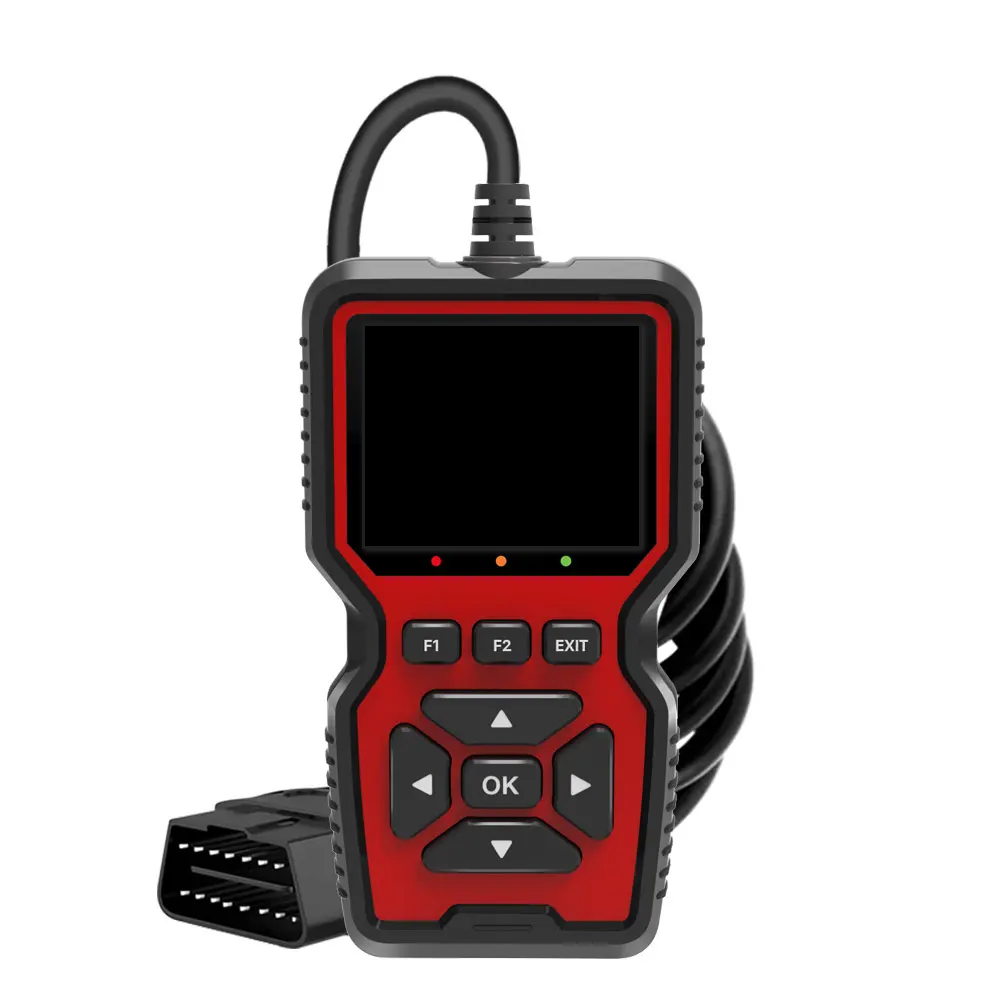
- Retrieve and Analyze DTCs: Connect an OBD-II scanner to confirm the presence of B1565. Note any other related B-codes or C-codes, which could provide additional context regarding the affected door or module.
- Visual Inspection:
- Inspect the specific door(s) identified by the scanner (if available), or all doors and their jambs.
- Carefully examine the wiring harness that passes through the door jamb accordion boot. Look for signs of chafing, pinching, cuts, or insulation damage.
- Inspect the electrical connectors for the door ajar switch and any modules in the affected circuit for corrosion, bent pins, or signs of water intrusion.
- Check for any recent aftermarket installations that may have disturbed the wiring.
- Voltage Measurement at Switch Connector (DMM):
- Identify the suspected door ajar switch. Refer to the vehicle’s service manual for wiring diagrams and component locations.
- Disconnect the electrical connector from the door ajar switch.
- Using a Digital Multimeter (DMM) set to DC voltage, measure the voltage between the signal wire terminal (on the harness side of the connector, not the switch side) and a known good chassis ground.
- If B1565 is present and the circuit normally pulls to ground when the door is open, the presence of approximately 12 volts (battery voltage) on this signal wire, especially when the door is closed and the switch should be open, strongly indicates a short to battery within the wiring harness.
- If the circuit design is such that the BCM provides a pull-up voltage, and the switch grounds it, you should see the pull-up voltage (e.g., 5V) when the switch is disconnected. The presence of 12V indicates an external short.
- Continuity and Resistance Checks (with BCM/GEM disconnected):
- To isolate the short, disconnect the BCM/GEM connector that contains the door ajar signal wire (refer to service manual for pinout).
- With both the door ajar switch connector and the BCM/GEM connector disconnected, use the DMM to measure resistance between the door ajar signal wire and a known B+ (12V) source wire within the vehicle’s harness. A low resistance reading (close to 0 ohms) confirms a short to battery on that wire.
- Also, check for continuity between the signal wire and chassis ground. This should show infinite resistance.
- Verify continuity of the signal wire itself between the BCM/GEM connector and the door ajar switch connector to ensure the wire is not open.
- Door Ajar Switch Test: If the wiring tests confirm no external short to battery, the switch itself may have an internal short.
- Test the switch’s operation by checking its continuity or resistance between its terminals in both the “door open” and “door closed” positions. Verify it switches states correctly according to its design (e.g., open when closed, closed to ground when open).
Recommended Repairs and Solutions
The resolution for B1565 primarily involves identifying and correcting the electrical short circuit:
- Repair or Replace Damaged Wiring Harness: The most frequent repair involves locating the specific point of the short to battery within the wiring. This often requires meticulously tracing the affected wire from the door ajar switch connector back towards the BCM/GEM. Once the damaged section is found, it must be repaired using high-quality automotive-grade wire, soldering techniques, and heat-shrink tubing for insulation. Avoid using crimp connectors on critical signal lines if possible, or use marine-grade heat-shrink crimps for environmental protection. For extensive damage, replacing the entire wire section or a segment of the harness may be necessary.
- Replace Faulty Door Ajar Switch: If diagnostic steps confirm an internal short or failure within the door ajar switch itself (though less common for a direct short to battery code), replace the switch with a new OEM or equivalent quality aftermarket unit. Ensure proper alignment and function after installation.
- Clean or Replace Corroded Connectors: If corrosion or water damage is identified as the cause, thoroughly clean the affected connector pins using electrical contact cleaner and a small brush. If the corrosion is severe, necessitating replacement of the connector or individual pins, ensure proper crimping and sealing. Applying dielectric grease to connector pins can prevent future moisture intrusion.
- Correct Aftermarket Wiring: If an aftermarket accessory is found to be improperly wired and causing the short, disconnect and correctly re-wire the accessory, ensuring no unintended connections to the door ajar circuit.
- BCM/GEM Replacement (Last Resort): Only consider replacing the BCM/GEM after all other wiring, switch, and connector integrity tests have conclusively ruled out external faults, and if specialized BCM diagnostics point to an internal module failure causing the voltage discrepancy. This is a complex repair, often requiring module programming and calibration.
Important Mechanics’ Tips:
- Always disconnect the vehicle’s negative battery terminal before performing any electrical repairs to prevent accidental shorts or damage to electronic modules.
- Refer to the vehicle-specific service manual and wiring diagrams. Wire colors, pinouts, and component locations vary significantly between manufacturers and models.
- After completing repairs, clear the B1565 DTC and any associated codes using an OBD-II scanner. Thoroughly test the door ajar function for the affected door(s) by opening and closing them multiple times, observing the warning light and interior lights.
- When tracing wires through high-movement areas like door jambs, consider reinforcing the harness with protective loom or tape to prevent future chafing.