What Does Code C1114 Mean?
The diagnostic trouble code C1114 signifies an ABS Power Relay Output Short Circuit To Ground. This code indicates that the Anti-lock Braking System (ABS) control module, often referred to as the Electronic Brake Control Module (EBCM), has detected an electrical fault within the primary power supply circuit for the ABS hydraulic pump motor and/or valve solenoids. Specifically, it means that the EBCM is monitoring the output side of the ABS main power relay and has identified an abnormally low resistance path to ground where it expects to see the commanded voltage, or at least an open circuit when de-energized. This short circuit prevents the ABS system from receiving the necessary operational voltage for its critical components, rendering the ABS system inoperative. The EBCM registers this fault internally, illuminates the ABS warning light on the instrument cluster, and may communicate this code to the Powertrain Control Module (PCM) via the Controller Area Network (CAN) bus.
Common Symptoms
- ABS Warning Light Illuminated: This is the most direct and common symptom, indicating a fault within the anti-lock braking system.
- Traction Control Warning Light Illuminated: Many vehicles integrate ABS and Traction Control (TCS) systems; a fault in ABS power often impacts TCS, causing its warning light to activate.
- Loss of ABS Functionality: The ABS system will be disabled, meaning the wheels may lock up under hard braking, potentially leading to a loss of steering control.
- Loss of Traction Control Functionality: If the vehicle is equipped with TCS, it will also be disabled.
- Intermittent Brake System Warnings: Depending on the nature of the short (e.g., chafed wire making intermittent contact), symptoms might appear or disappear briefly.
What Causes the Code C1114?
- Damaged Wiring Harness: The most frequent cause is physical damage to the wiring harness leading from the ABS power relay output to the ABS module or its components (pump motor, solenoids). This can include chafed insulation, melted wires, or wires pinched against the vehicle chassis, creating a direct short to ground.
- Faulty ABS Power Relay: While less common for a “short to ground on output,” an internal fault within the relay could potentially cause current to bypass the intended circuit and find an unintended path to ground within the relay itself, or more commonly, the relay fails to switch properly allowing residual current to ground.
- Corroded Connectors: Severe corrosion within the connectors between the ABS relay and the ABS module, or at the module itself, can bridge terminals, creating an unintended short circuit to ground, especially if moisture is present.
- Internal ABS Control Module Short: In rare cases, an internal short circuit within the ABS control module itself (specifically within the power input or internal power distribution circuitry) can cause this code. This is typically a last resort diagnosis after ruling out external wiring and relay issues.
How to Diagnose and Troubleshoot
Diagnosing C1114 requires a methodical approach, often involving a digital multimeter (DMM) and a vehicle-specific wiring diagram.
- Initial Visual Inspection: Begin by carefully inspecting the ABS power relay and its associated wiring harness for any signs of physical damage, chafing, corrosion, or burnt insulation. Pay close attention to areas where the harness passes through firewalls, over sharp edges, or near exhaust components. Check the fuse for the ABS system, although a short to ground often blows the fuse, if it is still intact, the short might be partial or occurring downstream.
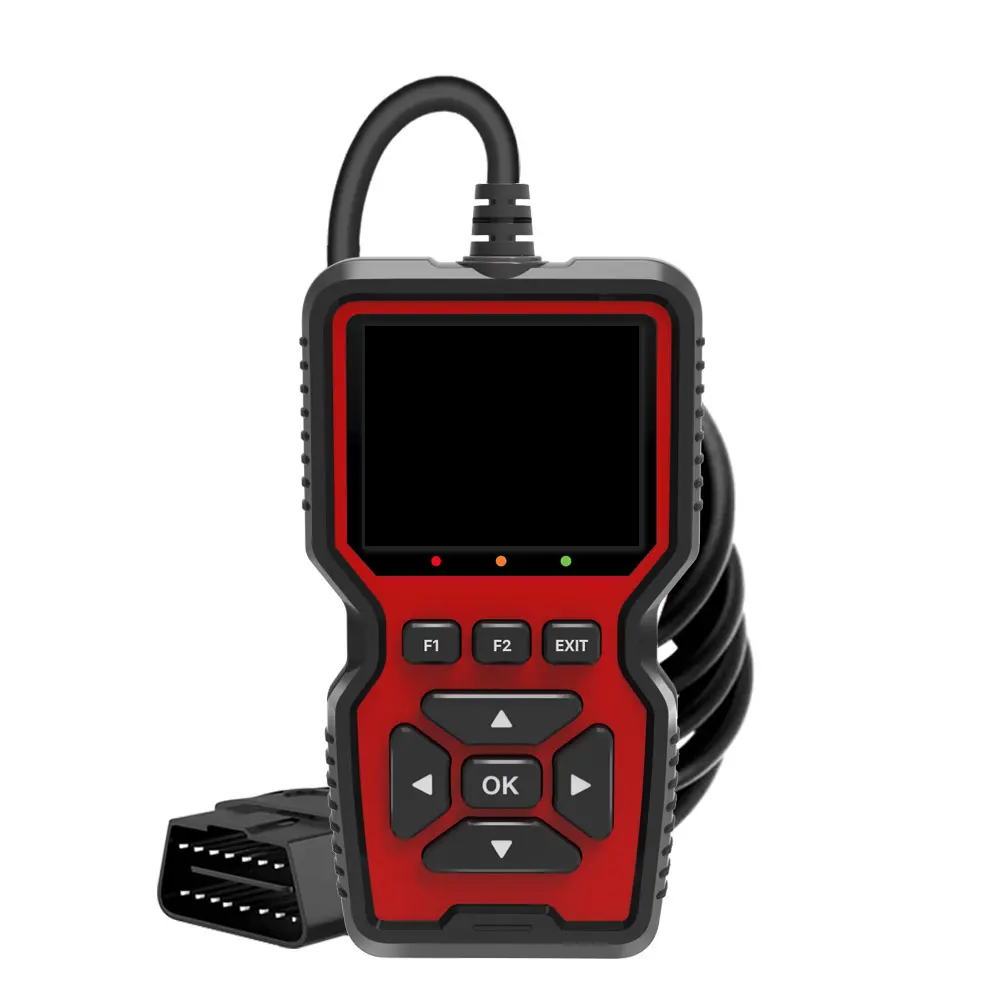
- Verify Code and Related Information: Use an OBD-II scanner capable of accessing ABS module codes. Confirm C1114 is present and check for any other related ABS or PCM codes that might offer additional clues.
- ABS Power Relay Testing:
- Locate the ABS power relay (refer to a vehicle-specific service manual).
- With the vehicle’s ignition OFF and the battery disconnected, remove the ABS power relay.
- Identify the relay’s power input, power output to the ABS module, and ground terminals using a wiring diagram.
- Using a DMM set to resistance (Ohms), test for continuity between the relay’s output terminal (the one supplying power to the ABS module) in the fuse box and a known good chassis ground. If continuity (a very low resistance reading, typically under 5 ohms) is present, this confirms a short to ground in the wiring harness or the ABS module itself.
- Bench Test the Relay: Apply 12V to the relay’s coil terminals and check for continuity across its switch contacts. The relay should audibly click, and the switch contacts should show near-zero resistance when energized and infinite resistance when de-energized. Replace if faulty.
- Isolate the Short Circuit: If a short to ground was confirmed in step 3 (low resistance on the relay output circuit):
- Disconnect the electrical connector from the ABS control module.
- Re-test for continuity to ground on the relay’s output terminal in the fuse box.
- If the short is now gone (infinite resistance), the issue likely lies within the ABS control module itself.
- If the short is still present, the issue is within the wiring harness between the relay’s output and the ABS module. Carefully trace and inspect this wiring for damage, utilizing the wiring diagram for accurate routing.
- Voltage Drop Test: If no direct short is found but the relay output to the ABS module seems suspicious, perform a voltage drop test. With the relay reinstalled and the system powered, measure the voltage drop across the relay’s output terminal and the corresponding power input terminal at the ABS module connector while the ABS system is commanded on (if possible, or simulate conditions). Excessive voltage drop indicates high resistance in the circuit, which could be due to corrosion or partial damage, potentially leading to intermittent shorting.
Recommended Repairs and Solutions
Once the source of the C1114 code has been precisely identified through diagnosis, the appropriate repair can be executed:
- Repair or Replace Damaged Wiring Harness: If a short to ground is found in the wiring harness, the damaged section must be repaired or replaced. Use appropriate automotive-grade wire, soldering techniques, and heat-shrink tubing for durable repairs. Ensure the repaired section is routed away from any potential sources of future damage.
- Replace Faulty ABS Power Relay: If the bench test confirms the ABS power relay is faulty, replace it with a new, OEM-quality relay. Ensure the replacement relay has the correct amperage rating and pin configuration.
- Clean Corroded Connectors: If corrosion is the culprit, carefully disconnect the affected connectors. Use electrical contact cleaner and a small brush to remove all traces of corrosion from both the male and female terminals. Apply dielectric grease to protect against future corrosion before reassembly. If terminals are severely damaged, replace the connector or individual terminals.
- Replace ABS Control Module (EBCM): If all wiring, connectors, and the relay have been thoroughly tested and confirmed good, and the short circuit persists only when the ABS module is connected, the module itself is likely internally shorted. Replacement of the ABS control module (EBCM) will be necessary. Note that many ABS modules require programming or calibration after installation, so consult the vehicle’s service information or consider professional installation.
- Clear Codes and Test Drive: After performing any repairs, clear the C1114 code and any other related codes using an OBD-II scanner. Then, perform an extended test drive under varying conditions, including moderate braking, to confirm that the ABS system functions correctly and the code does not return.