What Does Code C1115 Mean?
DTC C1115 signifies an “ABS Power Relay Output Short Circuit To Battery.” This diagnostic trouble code is registered when the Anti-lock Braking System (ABS) control module (also known as the Electronic Brake Control Module or EBCM) detects an abnormal voltage condition on the output circuit of its main power relay. Specifically, the module senses a persistent battery positive voltage (B+) on a circuit that should only be energized when the ABS system is active or when the relay is commanded on. The ABS module internally monitors this circuit to ensure proper power supply and control to critical components like the hydraulic pump motor and solenoid valves. When the module observes a constant, unintended B+ voltage on the relay’s output, indicating a direct short to the battery’s positive terminal, it logs C1115. This condition implies that power is being supplied to the ABS components when it shouldn’t be, or an over-voltage condition exists, potentially leading to incorrect operation or premature wear of the ABS hydraulic unit. This fault directly impacts the functionality of the entire ABS, Traction Control System (TCS), and Electronic Stability Control (ESC) systems.
Common Symptoms
- ABS warning light illuminated on the dashboard.
- Traction Control System (TCS) warning light illuminated (if equipped).
- Electronic Stability Control (ESC) warning light illuminated (if equipped).
- Inoperative ABS function during hard braking, leading to wheel lock-up.
- Potentially, a blown fuse related to the ABS system, indicating a severe short circuit.
- In rare cases, a parasitic battery drain if the short is drawing excessive current even with the ignition off, though for an “output short to battery,” the voltage itself is the primary issue.
What Causes the Code C1115?
- Faulty ABS Power Relay: The most common cause is an internal short circuit or a sticking contact within the ABS power relay itself, causing its output terminals to remain constantly connected to the battery positive voltage, regardless of the control module’s command.
- Wiring Harness Short to Battery: A short circuit within the wiring harness that connects the ABS power relay’s output to the ABS control module or other ABS components (e.g., pump motor, solenoid valves). This could be due to chafed insulation, pinched wires, or corrosion creating an unintended path to a constant B+ source.
- Internal ABS Module Failure: Although less common for this specific code, an internal fault within the ABS control module’s power management circuitry or relay driver could incorrectly interpret or manifest a short-to-battery condition on the relay output circuit.
- Damaged ABS Components: An internal short within the ABS hydraulic pump motor or one of the solenoid valves that are directly powered by the relay output could, in some cases, lead to a constant voltage reading that the module interprets as a short to battery.
How to Diagnose and Troubleshoot
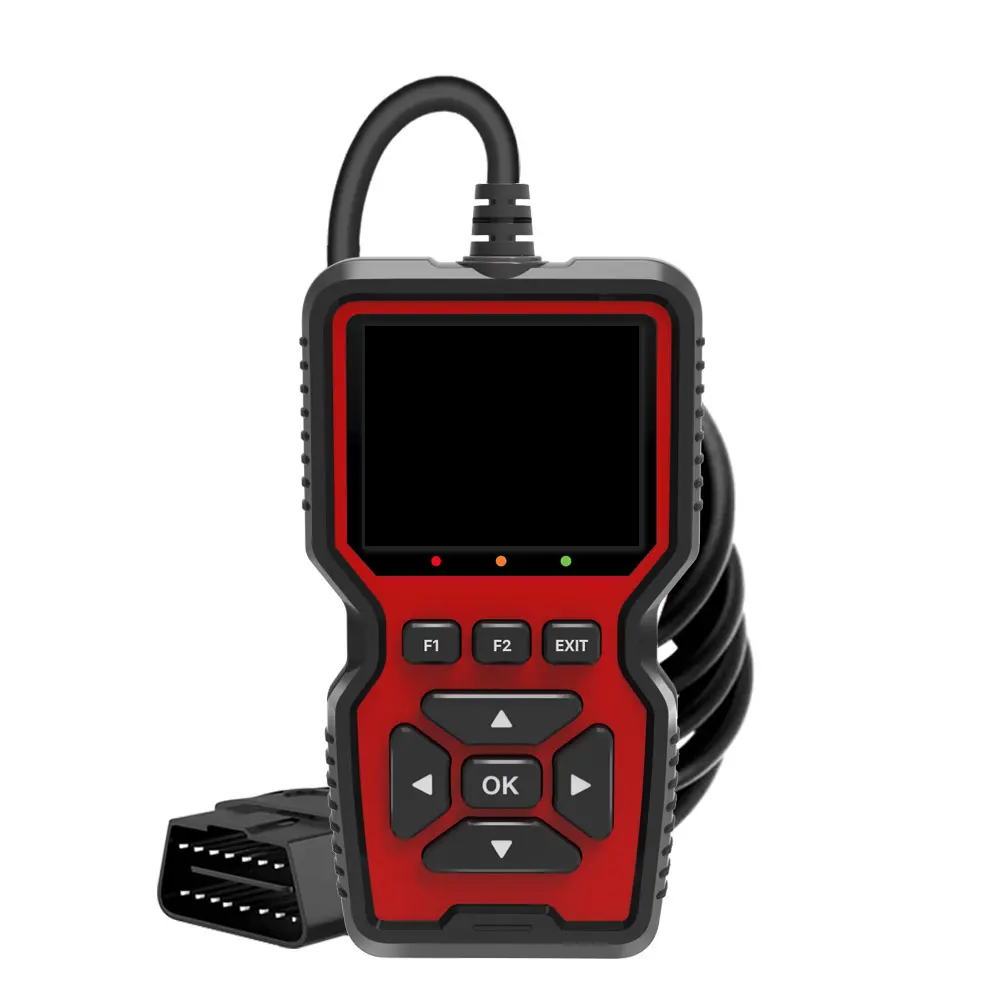
Diagnosis of C1115 requires careful electrical testing using a Digital Multimeter (DMM) and an OBD-II scanner capable of communicating with the ABS module.
- Initial Scan and Visual Inspection:
- Connect an advanced OBD-II scanner and confirm C1115 is the primary or only ABS code present. Check for any related codes that might point to a specific component.
- Perform a thorough visual inspection of the ABS control module, hydraulic unit, and all associated wiring harnesses. Look for signs of physical damage, chafing, corrosion, or loose connectors.
- Locate the ABS power relay, typically found in the under-hood fuse box or a dedicated relay center. Check the ABS-related fuses for continuity. Replace any blown fuses, but be prepared for them to blow again if the underlying short is not resolved.
- ABS Power Relay Test:
- With the ignition off, remove the ABS power relay from its socket.
- Using a DMM set to resistance (ohms), test for continuity between the relay’s load terminals (pins typically larger than the coil pins). There should be no continuity. If continuity exists without power applied to the coil, the relay is internally shorted or stuck closed.
- Apply 12V and ground from a fused power supply to the relay’s coil terminals. The relay should audibly click, and continuity should now be present across the load terminals. If it doesn’t click or fails to show continuity, the relay is faulty.
- Using the DMM in voltage mode, probe the relay socket. Identify the constant battery voltage (B+) terminal and the output terminal that supplies power to the ABS module. With the relay removed and ignition off, there should be no voltage on the output terminal. If B+ is present on the output terminal, it indicates a short in the wiring harness directly to battery.
- Wiring Harness Integrity Check:
- Disconnect the ABS control module’s main connector and the ABS power relay. This isolates the wiring in question.
- Using a DMM in resistance mode, measure the resistance between the relay’s output terminal pin (at the relay socket) and the corresponding power input pin at the ABS module connector. Resistance should be very low (close to 0 ohms), indicating good continuity. High resistance indicates an open circuit.
- Measure resistance between the relay’s output terminal pin (at the relay socket) and a known good chassis ground. There should be infinite resistance (open circuit). Any low resistance indicates a short to ground.
- Crucially, measure resistance between the relay’s output terminal pin (at the relay socket) and a known constant B+ source (with the battery disconnected for this test). There should be no continuity (infinite resistance). If low resistance is detected, a direct short to battery exists within that segment of the wiring harness. Trace and inspect the wiring thoroughly.
- ABS Module Isolation:
- If the relay and all wiring harness segments test good, the fault may lie within the ABS control module itself. This is typically a last resort, as ABS modules are expensive and often require specialized programming. Reconnect all components, clear the DTCs, and operate the vehicle to see if the code returns. If it does, and all external diagnostics point to no issues, the internal control module may be at fault.
Recommended Repairs and Solutions
Based on the diagnostic findings, the following repairs are typically recommended:
- Replace Faulty ABS Power Relay: If diagnostic steps confirm the ABS power relay is internally shorted, sticking, or otherwise malfunctioning, replace it with a new OEM-specified relay. Ensure the replacement relay has the correct amperage and pin configuration.
- Repair or Replace Damaged Wiring Harness: If a short circuit to battery is identified within the wiring harness, the damaged section must be repaired. This involves carefully cutting out the damaged portion, splicing in a new wire of the correct gauge and material using professional soldering techniques, and insulating with heat-shrink tubing. Alternatively, replace the entire affected segment of the wiring harness if damage is extensive. Proper routing and securement of the harness are critical to prevent future damage.
- Replace ABS Control Module: If the ABS power relay and the wiring harness are definitively ruled out as the cause, and the C1115 code persists, the ABS control module itself may be faulty. This typically requires replacing the entire ABS hydraulic unit assembly (which includes the control module). After replacement, most ABS modules require programming, configuration, and/or calibration (e.g., sensor zero-point calibration, brake bleed procedures) using a manufacturer-specific scan tool or equivalent diagnostic equipment.
- Component-Level Repair: If the short to battery is traced to an individual component like the ABS pump motor or a specific solenoid valve, that component or the entire hydraulic unit may need replacement.
After any repair, clear the DTCs from the ABS module using a scan tool and perform a road test to verify that the C1115 code does not return and that the ABS, TCS, and ESC systems are functioning correctly.