What Does Code C1276 Mean?
DTC C1276 signifies an detected electrical fault within the circuit responsible for monitoring the “applied” state of the Park Brake Actuator Assembly Switch. Specifically, the Electronic Brake Control Module (EBCM) or a dedicated Park Brake Control Module (PBCM) has identified a short to ground in this circuit. This means that the voltage signal from the park brake applied switch, which the control module uses to determine if the parking brake is engaged, is continuously or intermittently pulled to vehicle ground potential, outside its expected operational range. The module interprets this as an erroneous “applied” signal or an inability to accurately read the switch’s true state due to the electrical short. This typically affects vehicles equipped with an Electronic Parking Brake (EPB) system, impacting the system’s ability to reliably engage, disengage, or even report the status of the parking brake, potentially compromising vehicle safety and functionality.
Common Symptoms
- Parking Brake Warning Light Illumination: The primary indicator, often an EPB system fault light or the general “BRAKE” warning lamp, will be lit on the instrument cluster.
- Inoperable Parking Brake: The electronic parking brake may fail to engage or disengage, potentially leaving it stuck in one position (applied or released).
- Driver Information Center Messages: Messages such as “Service Parking Brake,” “Parking Brake Malfunction,” or similar warnings may appear.
- Related Warning Lights: Due to system interdependencies, ABS, Traction Control, or Stability Control warning lights may also illuminate.
- Audible Clicks/Whirring: The park brake actuator may attempt to operate but fail, producing unusual noises.
What Causes the Code C1276?
- Damaged Wiring Harness: Chafed, pinched, or corroded wiring in the park brake actuator switch circuit can lead to an unintended connection to vehicle ground.
- Faulty Park Brake Actuator Assembly: An internal short within the actuator assembly itself, affecting the integrated “applied” switch or its internal wiring.
- Corroded or Damaged Electrical Connector: Moisture ingress or physical damage to the connector at the park brake actuator assembly can create a short between the signal wire and ground.
- Faulty Park Brake Control Module (PBCM) / Electronic Brake Control Module (EBCM): While less common for a circuit-specific short, an internal fault within the control module could cause it to erroneously interpret the circuit’s state or create an internal short path.
How to Diagnose and Troubleshoot
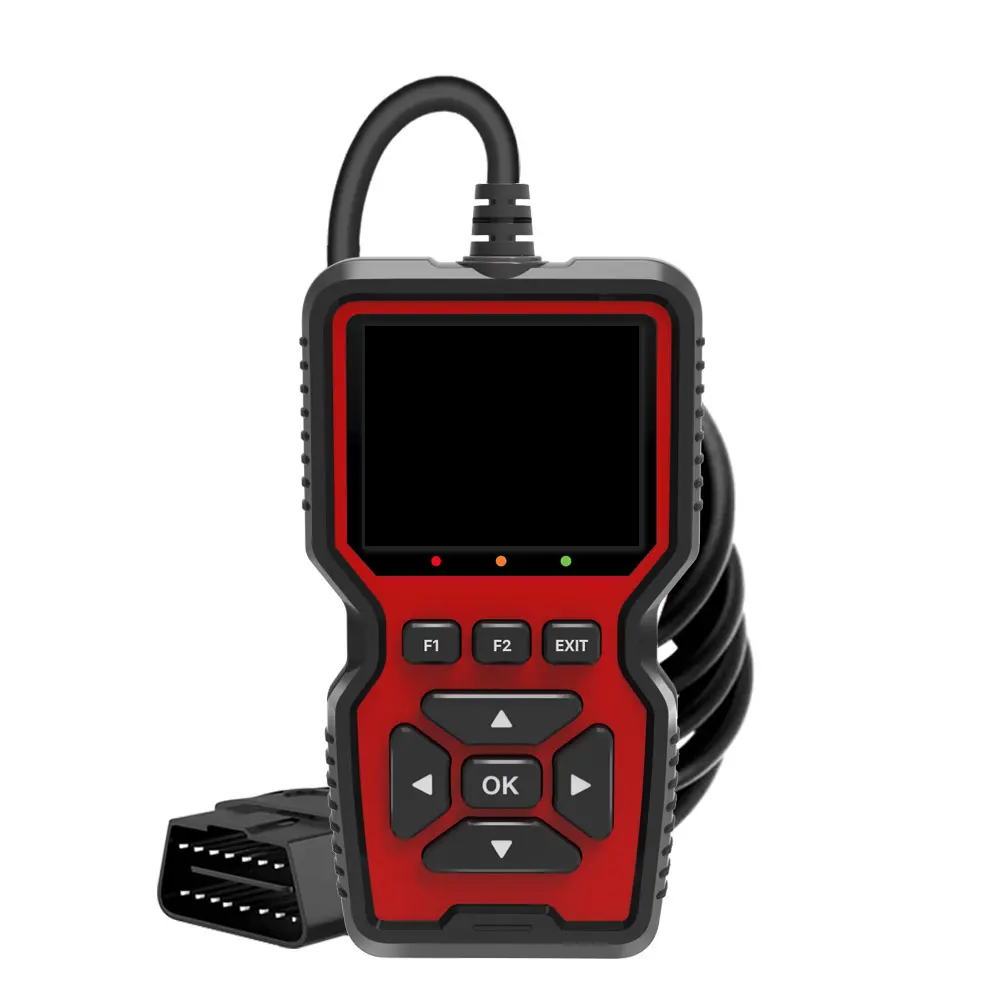
Diagnosis of C1276 requires a systematic approach, often utilizing an OBD-II scanner and a digital multimeter (DMM).
- Perform a Thorough Visual Inspection:
- Inspect the wiring harness leading to and from the park brake actuator assembly, typically located near the rear brake calipers or integrated into them. Look for signs of chafing, cuts, melting, or rodent damage that could cause a short to chassis ground.
- Examine the electrical connector at the park brake actuator for bent pins, corrosion, water intrusion, or loose connections.
- Check for any obvious mechanical binding or damage to the park brake actuator itself.
- Retrieve Freeze Frame Data and DTCs:
- Using an advanced OBD-II scanner, retrieve all active and pending Diagnostic Trouble Codes (DTCs) from the EBCM/PBCM. Note any other related codes, especially those pertaining to brake system sensors or circuits.
- Analyze freeze frame data to understand the operating conditions (vehicle speed, engine RPM, system voltage, etc.) when the C1276 was set. This can provide clues for intermittent faults.
- Perform Electrical Circuit Tests with a DMM:
- Isolate the Circuit: Disconnect the electrical connector from the park brake actuator assembly. This isolates the actuator from the vehicle’s wiring harness and control module.
- Test for Short to Ground (Harness Side):
- With the ignition OFF, set your DMM to the Ohms (resistance) setting.
- Identify the signal wire for the “applied” switch circuit from the vehicle’s wiring diagram.
- Measure the resistance between the signal wire terminal on the vehicle harness side of the connector and a known good chassis ground point. A reading significantly less than the specified open circuit resistance (often near 0 Ohms) indicates a short to ground in the wiring harness between the connector and the control module.
- Test for Internal Short (Actuator Side):
- If the harness side tests clear, the issue may be internal to the actuator. Refer to manufacturer specifications for testing the park brake “applied” switch directly within the actuator assembly (if possible). This may involve measuring resistance across specific pins on the actuator’s connector in both applied and released states. An unexpected short to ground within the actuator’s internal switch mechanism would confirm an internal fault.
- Monitor Live Data (if available): If the scanner supports live data for the EPB system, monitor the “park brake switch status” or similar parameter. If the short is intermittent, observing this value during wiggling of the harness or actuator can help pinpoint the fault location. A constant “applied” status, despite the brake being released, reinforces a short to ground condition.
Recommended Repairs and Solutions
Addressing DTC C1276 primarily involves repairing or replacing the component found to have the short to ground:
- Repair or Replace Damaged Wiring: If the DMM tests confirm a short in the vehicle’s wiring harness, the damaged section must be repaired or replaced. Use appropriate automotive-grade wire, soldering techniques, and heat shrink tubing for durable repairs. Avoid simply taping over exposed wires, as this is a temporary fix.
- Repair or Replace Corroded Connectors: If corrosion or damage is found in the electrical connector, thoroughly clean the terminals with electrical contact cleaner and a small brush. If pins are bent or severely corroded, the connector housing and terminals should be replaced. Ensure the connector seals properly to prevent future moisture ingress.
- Replace Park Brake Actuator Assembly: If the DMM tests indicate an internal short within the park brake actuator’s “applied” switch, the entire park brake actuator assembly typically requires replacement. The switch is usually an integral part of the assembly and not serviceable separately.
- Replace Control Module (Last Resort): Only consider replacing the Park Brake Control Module (PBCM) or Electronic Brake Control Module (EBCM) after thoroughly ruling out all other external wiring and actuator faults. An internal module fault causing a false short to ground is rare but possible. Module replacement often requires specialized programming or calibration using manufacturer-specific diagnostic tools.
- Post-Repair Procedures: After any repair, clear all stored DTCs using an OBD-II scanner. Perform an EPB system function test, including engaging and disengaging the parking brake multiple times. Many EPB systems require a calibration or initialization procedure after component replacement; refer to the vehicle’s service information for specific steps. Test drive the vehicle to ensure the fault does not return.