What Does Code C1277 Mean?
DTC C1277 indicates a detected fault within the electrical circuits or the plausibility of the signal outputs from the Steering Wheel Angle Sensor (SAS). This code specifically highlights an issue affecting both primary (Circuit 1) and secondary (Circuit 2) signal paths of the sensor. The Steering Wheel Angle Sensor is a critical input device for various vehicle dynamics control systems, including the Anti-lock Braking System (ABS), Electronic Stability Control (ESC), Traction Control (TC), and sometimes Electric Power Steering (EPS) or Adaptive Front Lighting Systems. The relevant control module, typically the ABS Control Module, Electronic Brake Control Module (EBCM), or Vehicle Dynamics Control Module (VDCM), monitors the SAS’s dual, redundant output signals, which represent the steering wheel’s absolute position and rotational speed. When the module detects a discrepancy between these two signals that exceeds calibrated thresholds, or if both signals are absent, erratic, or out of their expected operating range simultaneously, it sets C1277. This signifies a fundamental failure in the sensor itself or its dedicated wiring, as the system cannot reliably determine the driver’s steering input.
Common Symptoms
- Illumination of the ABS warning light.
- Illumination of the ESC (Electronic Stability Control) or Traction Control warning light, often accompanied by system deactivation.
- Potential illumination of a Steering warning light (especially on vehicles with EPS).
- Noticeable degradation or complete deactivation of vehicle stability systems (ESC, TC), potentially leading to reduced vehicle control in slippery conditions.
- Inconsistent or incorrect power steering assist, particularly during turns (if integrated with EPS).
- Deactivation of Adaptive Cruise Control (ACC) or other driver-assist features that rely on steering angle input.
- Unusual or unexpected behavior from vehicle stability systems, such as unintended braking intervention during normal driving.
What Causes the Code C1277?
- Faulty Steering Wheel Angle Sensor (SAS): Internal electrical or mechanical failure of the sensor, leading to incorrect or no signal output from one or both circuits.
- Damaged Clock Spring Assembly: The SAS is often integrated into the clock spring. A broken or worn clock spring can interrupt the SAS’s electrical circuits.
- Wiring Harness Issues: Open circuits, short circuits (to ground or voltage), or excessive resistance in the power supply, ground, or signal wires for either SAS signal circuit 1 or 2, or both.
- Corroded or Loose Electrical Connectors: Poor connection at the SAS connector itself, or at the relevant control module (e.g., ABS/EBCM) due to corrosion, bent pins, or insufficient terminal tension.
- Insufficient Power or Ground Supply: A fault affecting the stable power or ground supply to the SAS.
- Control Module Malfunction: While less common, an internal fault within the ABS/EBCM or the specific module responsible for processing SAS data can cause incorrect interpretation of signals or an inability to communicate with the sensor.
How to Diagnose and Troubleshoot
Diagnosing C1277 requires a methodical approach using an advanced diagnostic scan tool and a digital multimeter (DMM).
- Initial Scan Tool Diagnosis:
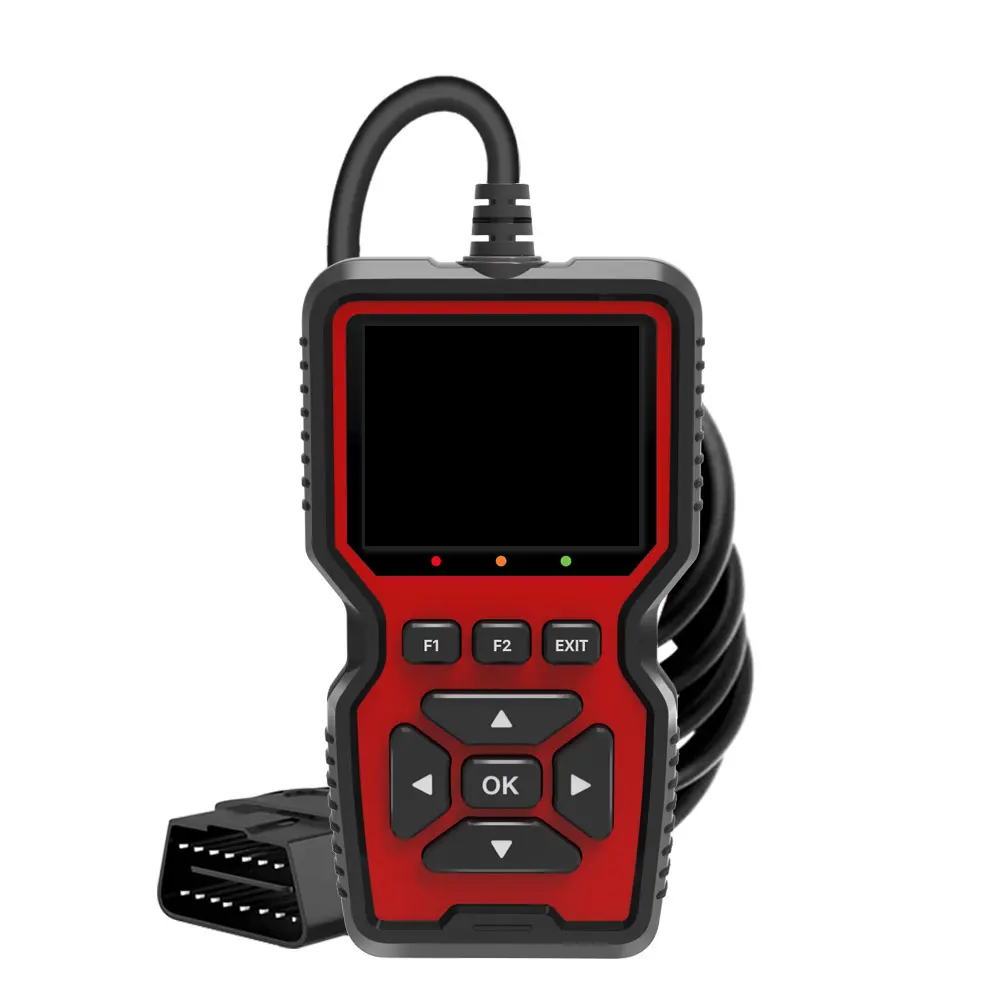
- Connect an OBD-II scan tool capable of communicating with chassis modules. Retrieve all stored DTCs from the ABS/EBCM, VDCM, and any other relevant control units. Note any correlating codes that might point to a shared circuit issue.
- Review freeze frame data associated with C1277. This data can provide valuable clues about the conditions (vehicle speed, engine RPM, steering angle value) present when the fault occurred.
- Access live data PIDs for “Steering Wheel Angle 1” and “Steering Wheel Angle 2” (or similar manufacturer-specific terms). With the ignition ON and engine OFF, slowly turn the steering wheel from lock-to-lock. Observe if both angle values change smoothly, consistently, and track each other. If one or both signals are static, erratic, or out of range, this confirms a sensor or circuit issue.
- Visual Inspection:
- Perform a thorough visual inspection of the steering column area, paying close attention to the steering wheel angle sensor (often behind the steering wheel, part of the clock spring), its wiring harness, and connectors.
- Look for signs of physical damage, chafing, cuts, or pinch points on the wiring. Inspect connectors for corrosion, bent pins, pushed-out terminals, or signs of water intrusion.
- Verify the clock spring is properly seated and shows no signs of physical damage or improper installation.
- Electrical Circuit Testing (with DMM):
- Disconnect the SAS connector. Refer to the vehicle’s wiring diagram for pin assignments.
- Power and Ground: With the ignition ON, use a DMM to test for the correct reference voltage (typically 5V or 12V, depending on design) and a stable ground at the SAS connector. Voltage should be steady and within specifications.
- Continuity Test: Test for continuity between the SAS connector and the corresponding pins at the ABS/EBCM connector for both SAS signal wires (Circuit 1 and Circuit 2), as well as power and ground wires. An open circuit indicates a broken wire.
- Short Circuit Test: Test each SAS signal wire for a short to ground and a short to voltage. This involves checking resistance between the signal wire and a known good ground, and between the signal wire and B+ (battery voltage). Readings should be open (infinite resistance).
- Resistance Test (if applicable): Some older SAS designs or associated components might allow for resistance testing, but modern optical or Hall effect sensors typically do not provide meaningful resistance values when tested directly.
- SAS Output Test (if accessible): If the sensor can be powered separately or has specific test points, a scope might be used to observe the actual signal output from the sensor directly, verifying its waveform and amplitude during rotation.
- Module Communication: Ensure the ABS/EBCM is communicating properly with the scan tool. If not, investigate power, ground, and CAN bus connections to the module, as a module communication issue could mask the SAS fault.
Recommended Repairs and Solutions
Once the root cause of C1277 has been identified through systematic diagnosis, the following repairs are typically recommended:
- Repair or Replace Wiring/Connectors: If the DMM tests or visual inspection reveal damaged wiring, corroded connectors, or poor terminal tension, the affected sections of the wiring harness or specific connector terminals should be repaired or replaced using OEM-approved methods (e.g., soldering with heat shrink, specialized terminal repair kits). Ensure all connections are clean, tight, and weatherproof.
- Replace Steering Wheel Angle Sensor (SAS) / Clock Spring Assembly: If all wiring and power/ground supplies to the sensor test good, and live data indicates a faulty or absent signal from the SAS, the sensor itself is the most likely culprit. Since the SAS is often integrated into the clock spring assembly, replacement of the entire clock spring is usually necessary. Always use a high-quality, OEM-equivalent replacement part.
- Steering Angle Sensor Calibration: CRITICAL STEP: After replacing the SAS or performing any repairs that disturb the steering column or sensor, it is almost always mandatory to perform a Steering Angle Sensor Calibration using a capable diagnostic scan tool. This procedure teaches the control module the sensor’s center position and full range of motion. Failure to calibrate will typically result in persistent warning lights and system malfunction, even if the hardware fault is corrected.
- Check for Technical Service Bulletins (TSBs): Consult manufacturer TSBs for the specific vehicle make and model. Some vehicles may have known issues or updated software that addresses C1277 or related steering angle sensor concerns.
- Clear Codes and Retest: After completing any repairs, clear all diagnostic trouble codes from all relevant modules. Perform a thorough road test, including turns at varying speeds and conditions, to confirm the repair and ensure the C1277 code does not return. Monitor live data for the steering angle sensor during the road test to confirm proper operation.