What Does Code C1411 Mean?
DTC C1411 signifies an detected open circuit within the Left Front (LF) Traction Control Valve solenoid. This diagnostic trouble code is set by the Anti-lock Braking System (ABS) and Traction Control System (TCS) Electronic Control Unit (ECU), which is often integrated with the Vehicle Stability Control (VSC) module. The ABS/TCS ECU continuously monitors the electrical integrity of each wheel’s hydraulic control valve solenoids. When the ECU detects an abnormally high resistance, indicating a loss of continuity or a complete electrical break (open circuit), in the power or ground circuit for the LF traction control valve, it registers C1411. This condition means the ECU cannot electrically actuate the specific solenoid responsible for modulating hydraulic pressure to the left front brake caliper during ABS events, traction control interventions, or vehicle stability operations.
Common Symptoms
- Illuminated ABS Warning Light: The most immediate and consistent symptom is the activation of the ABS warning indicator on the instrument cluster.
- Illuminated TCS/VSC Warning Light: Alongside the ABS light, the Traction Control System (TCS) and/or Vehicle Stability Control (VSC) warning lights will typically illuminate, indicating these systems are compromised or disabled.
- Disabled Traction Control Functionality: The vehicle’s ability to prevent wheel spin during acceleration on low-traction surfaces will be impaired or completely non-functional, particularly affecting the left front wheel.
- Reduced Vehicle Stability: The VSC system, which relies on individual wheel braking, will be degraded or disabled, potentially affecting vehicle stability during cornering or evasive maneuvers.
- No ABS Intervention: During emergency braking, the ABS system will not function correctly for the left front wheel, potentially leading to wheel lock-up in certain conditions.
What Causes the Code C1411?
- Damaged Wiring Harness or Connectors: An open circuit is frequently caused by physical damage to the wiring leading to the ABS hydraulic control unit (HCU) or specifically to the LF traction control valve solenoid circuit. This can include chafing, cuts, corrosion within the connector pins, loose terminals, or rodent damage.
- Internal Open Circuit in LF Traction Control Valve Solenoid: The solenoid coil itself, which is typically an integral part of the ABS hydraulic control unit, may have failed internally, resulting in an open circuit. This is a common failure point for the valve assembly.
- Water Ingress or Corrosion: Moisture or fluid intrusion into the ABS HCU connector or the solenoid housing can lead to corrosion and subsequent poor electrical contact or an open circuit.
- Faulty ABS/TCS Control Module: While less common, an internal fault within the ABS/TCS control module, such as a failed solenoid driver circuit for the LF traction control valve, could present as an open circuit condition to the module’s self-diagnostic routines.
How to Diagnose and Troubleshoot
Diagnosis of C1411 requires careful electrical testing and adherence to manufacturer-specific procedures. Always begin with safety precautions, including disconnecting the 12V battery before performing resistance checks on sensitive components.
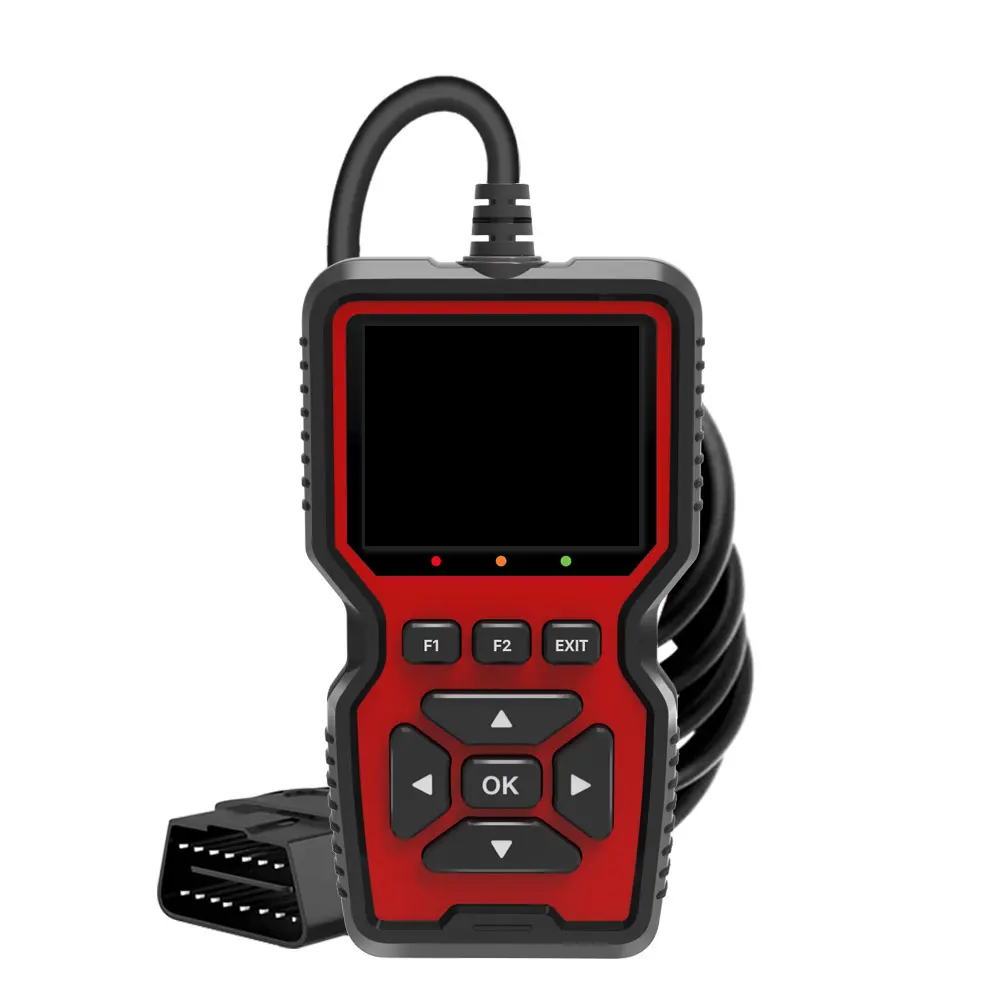
- Initial Scan Tool Check: Connect an advanced OBD-II scan tool capable of accessing ABS/TCS system data. Confirm the presence of C1411 and check for any related or pending codes. Review freeze frame data to understand the operating conditions (e.g., vehicle speed, brake pressure) when the code was set. Clear the code and perform a short test drive to see if it immediately returns.
- Visual Inspection:
- Disconnect the vehicle’s 12V battery.
- Locate the ABS hydraulic control unit (HCU). Visually inspect the entire wiring harness leading to the HCU connector and around the left front wheel well area for any signs of physical damage, chafing, cuts, or signs of rodent activity.
- Carefully disconnect the main electrical connector from the ABS HCU. Inspect the connector pins for corrosion, bending, or damage. Ensure the connector is fully seated and securely latched.
- Continuity and Resistance Testing (Key Off, Battery Disconnected):
- Obtain the vehicle-specific wiring diagram for the ABS/TCS system to identify the two pins on the ABS HCU harness connector that correspond to the Left Front Traction Control Valve solenoid.
- Using a Digital Multimeter (DMM) set to the ohms (Ω) scale, measure the resistance across these two identified pins at the harness side (leading to the HCU). Compare this reading to the manufacturer’s specified resistance value, which typically falls within the range of 2 to 10 ohms for most solenoids.
- An “OL” (Open Line) reading or a resistance value significantly higher than specifications indicates an open circuit within the solenoid itself or the wiring leading directly to it inside the HCU.
- If the solenoid is not integrated and has separate wiring, perform the resistance test directly at the solenoid connector.
- Next, perform a continuity test from the ABS module connector (harness side, if separated from the HCU) to the chassis ground and to the 12V battery positive lead (if tracing power/ground for the solenoid) to check for unintended shorts.
- Wiggle Test: With the DMM connected and monitoring the resistance across the suspected circuit, gently wiggle the wiring harness and connectors. A fluctuating reading or a momentary loss of continuity indicates a loose connection, intermittent break, or damaged wiring.
- Advanced Module Testing (If Suspected): If all wiring and solenoid resistance checks pass, and the code persists, it may point to an internal fault within the ABS/TCS control module. This often requires specialized diagnostic equipment to check driver output signals or component actuation tests, usually only available with factory-level scan tools.
Recommended Repairs and Solutions
Addressing C1411 typically involves rectifying the electrical fault in the LF traction control valve circuit.
- Repair or Replace Damaged Wiring/Connectors: If the visual inspection or continuity tests confirm a damaged wire or corroded connector pins, perform precise wire repairs using appropriate soldering, heat-shrink tubing, and waterproof sealing methods. Replace any severely damaged sections of the wiring harness or faulty connector shells and terminals. Ensure all repairs are robust and properly insulated to prevent future issues.
- Replace the ABS Hydraulic Control Unit (HCU) or Solenoid Block: If the resistance test across the LF traction control valve solenoid (whether measured at the main HCU connector or internally if accessible) definitively indicates an internal open circuit, the solenoid itself is faulty. In most modern vehicles, individual solenoids are not serviceable, necessitating the replacement of the entire ABS Hydraulic Control Unit (HCU), which integrates the valve body and solenoids. Some specific vehicle models may allow for the replacement of a separate solenoid block assembly.
- Mechanic’s Tip: After replacing the HCU, ensure proper brake bleeding procedures are followed. Many systems require a bi-directional scan tool to perform an automated ABS bleed procedure to purge air from the HCU’s internal passages. Failure to do so can result in a spongy brake pedal and ineffective ABS operation.
- Replace the ABS/TCS Control Module: Replacement of the ABS/TCS control module should only be considered after all other potential causes (wiring, solenoid integrity) have been thoroughly ruled out. This typically occurs when advanced diagnostics confirm an internal module driver fault.
- Mechanic’s Tip: Many ABS/TCS modules are VIN-specific and require programming, calibration, or variant coding after installation using a factory-level diagnostic tool. Failure to program the module correctly will prevent proper system operation and may lead to new diagnostic trouble codes.
- Clear Codes and Test Drive: After any repair, use an OBD-II scan tool to clear the C1411 code and any other stored codes. Perform a comprehensive test drive that includes maneuvers designed to activate the ABS and TCS systems (e.g., hard braking, acceleration on low-traction surfaces if safe and practical) to confirm the repair and ensure the code does not return.