What Does Code C1410 Mean?
DTC C1410 signifies a detected malfunction within the electrical circuit of the Left Front (LF) Traction Control Valve. This valve is an integral component of the vehicle’s Anti-lock Braking System (ABS) Hydraulic Control Unit (HCU), which also manages the traction control and often electronic stability control systems. Specifically, the LF Traction Control Valve is a solenoid-operated valve (either an isolation or apply valve) responsible for modulating hydraulic pressure to the left front wheel brake caliper independently. The ABS/Traction Control Module (also known as the ABS ECU or sometimes integrated with the PCM) continuously monitors the electrical integrity of this solenoid valve’s circuit. When the module detects an electrical anomaly such as an open circuit (excessive resistance), a short circuit to ground, or a short circuit to power within the solenoid itself or its connecting wiring, it stores the C1410 diagnostic trouble code. This indicates that the module cannot reliably actuate or monitor the hydraulic pressure control for the left front wheel’s traction control function.
Common Symptoms
- ABS Warning Light ON: The primary indicator that the ABS system has detected a fault.
- Traction Control Warning Light ON: Illuminates to indicate a malfunction in the traction control system.
- Brake Warning Light ON: In some vehicle systems, a general brake system fault may also trigger this light.
- Reduced or Inoperative Traction Control System: The system will likely be disabled, meaning the vehicle will not actively prevent wheel spin on the left front wheel during acceleration.
- Reduced or Inoperative ABS System: While not a direct ABS component failure, a fault in the HCU can cause the entire ABS system to default to conventional braking.
- Potential Reduced Braking Performance: Although unlikely in standard driving, the vehicle’s ability to maintain stability during emergency braking or on slippery surfaces may be compromised due to the HCU malfunction.
What Causes the Code C1410?
- Faulty Left Front Traction Control Solenoid Valve: The solenoid coil within the ABS HCU may have an internal open circuit, short circuit, or excessive resistance. These solenoids are typically non-serviceable components of the HCU.
- Wiring Harness Issues:
- An open circuit (break) in the wiring between the ABS module and the Left Front Traction Control Solenoid.
- A short circuit to vehicle ground or a short circuit to battery voltage within the LF solenoid circuit.
- Corrosion, damage, or loose connections at the ABS module connector or the HCU multi-pin connector.
- Fretting corrosion or damaged insulation in the wiring harness.
- Faulty ABS/Traction Control Module: The internal driver circuit for the Left Front Traction Control Solenoid within the ABS/Traction Control Module may be defective. This prevents the module from properly supplying current to or monitoring the solenoid circuit. This module may be integrated into the HCU or be a separate electronic control unit.
How to Diagnose and Troubleshoot
Proper diagnosis of C1410 requires careful electrical testing and adherence to manufacturer-specific procedures. Always begin with safety precautions, including disconnecting the battery before performing resistance checks on sensitive electrical components.
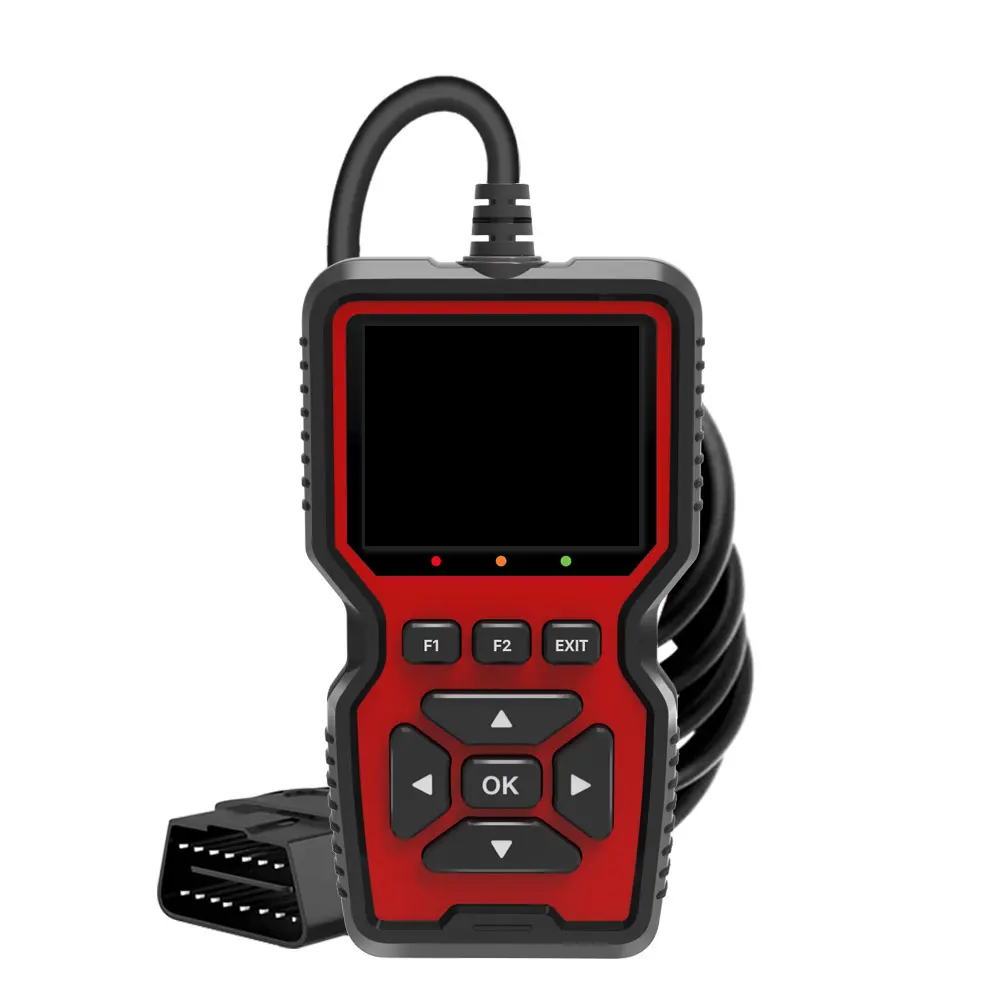
- Retrieve Freeze Frame Data: Connect an OBD-II scan tool and record any freeze frame data associated with C1410. This data captures engine conditions (speed, load, temperature) at the moment the fault was set, which can provide clues.
- Visual Inspection:
- Carefully inspect the wiring harness leading to the ABS Hydraulic Control Unit (HCU) and the ABS module. Look for any signs of physical damage, chafing, cuts, pinch points, corrosion, or loose connectors, especially in areas exposed to road debris or engine heat near the left front wheel.
- Examine the multi-pin connectors at the ABS HCU and the ABS module for bent pins, corrosion, or signs of water intrusion. Ensure they are fully seated.
- Electrical Circuit Testing (Digital Multimeter – DMM):
- Isolate the HCU: Disconnect the main electrical connector from the ABS HCU.
- Identify Pins: Consult the vehicle’s specific wiring diagram to identify the two pins corresponding to the Left Front Traction Control Solenoid within the HCU connector.
- Resistance Check (Solenoid Coil): Using a DMM set to ohms, measure the resistance directly across the identified LF solenoid pins on the HCU side of the connector. Compare this reading to the manufacturer’s specified resistance value (typically a low resistance, e.g., 2-5 ohms). An “OL” (open line) or infinite resistance reading indicates an open circuit within the solenoid. A resistance significantly outside the specified range (either too high or very low, indicating a short) also points to an internal solenoid fault.
- Continuity Check (Wiring Harness): With the ABS HCU connector disconnected, and potentially the ABS module connector disconnected (depending on the vehicle’s architecture), test for continuity between the corresponding pins at the ABS module harness connector and the HCU harness connector for the LF solenoid wires. Look for an open circuit in the wiring.
- Short to Ground/Power Check: With the harness connectors still disconnected, check for shorts to ground by measuring resistance between each LF solenoid wire and a known good chassis ground. Check for shorts to power by measuring resistance between each LF solenoid wire and the positive battery terminal (after reconnecting the battery, but ensure the ABS module is disconnected).
- Power and Ground Supply to Module: If preliminary checks are inconclusive, verify proper power and ground supply to the ABS module itself, as per the wiring diagram. A compromised main power or ground to the module can affect its ability to control internal circuits.
- Scan Tool Bidirectional Control (If Available): An advanced diagnostic scan tool with bidirectional control capabilities may allow you to command the Left Front Traction Control Solenoid on and off. While commanding the solenoid, listen for an audible click from the HCU and observe any feedback on the scan tool. This can help confirm if the module is attempting to actuate the solenoid and if the solenoid responds.
Recommended Repairs and Solutions
Based on the diagnostic findings, the following repairs are typically recommended:
- Repair or Replace Wiring Harness: If the visual inspection or electrical tests identify a damaged, corroded, or shorted section of the wiring harness connected to the ABS HCU or module, the affected portion should be repaired or replaced. Use appropriate automotive-grade wiring, solder, heat shrink tubing, and loom protection to ensure a durable and weatherproof repair.
- Replace ABS Hydraulic Control Unit (HCU): If the resistance test of the Left Front Traction Control Solenoid coil within the HCU indicates an open circuit, short circuit, or resistance outside manufacturer specifications, the solenoid itself is faulty. Since these solenoids are typically integrated and non-serviceable components, the entire ABS HCU will need to be replaced.
- Mechanic’s Tip: After HCU replacement, thorough bleeding of the entire brake system is critical. Many modern systems require a scan tool to cycle the solenoids during the bleeding process to ensure all air is expelled from the HCU. Refer to the vehicle service manual for the exact procedure.
- Mechanic’s Tip: Some replacement HCUs, especially those that include the electronic control unit, may require programming or coding to the vehicle’s VIN and specific options using a factory-level diagnostic tool.
- Replace ABS/Traction Control Module: If all wiring harness checks and HCU solenoid resistance checks are good, but the module consistently reports a C1410 fault, the ABS/Traction Control Module itself (specifically the internal driver circuit for the LF solenoid) is likely defective. This module might be a standalone unit or integrated with the HCU.
- Mechanic’s Tip: Always verify module compatibility and any programming requirements before installation.
- Clear Codes and Test Drive: After performing any repair, use a scan tool to clear all stored diagnostic trouble codes. Then, perform a comprehensive test drive under varying conditions, including scenarios where traction control might typically activate (if safe to do so), to confirm that the repair is successful and the C1410 code does not return.
- Mechanic’s Tip: Always check for any relevant Technical Service Bulletins (TSBs) or recalls issued by the vehicle manufacturer for C1410 or related ABS/Traction Control system issues for your specific make, model, and year.