What Does Code C1430 Mean?
Diagnostic Trouble Code (DTC) C1430 indicates an “Open Circuit” condition within the electrical control circuit of the Left Rear (LR) Damper. This code is typically set by the Suspension Control Module (SCM), Body Control Module (BCM), or an integrated Chassis Control Module, rather than the Engine Control Module (ECM) or Powertrain Control Module (PCM), as it pertains directly to an electronically controlled suspension system. The LR Damper refers to the shock absorber or strut assembly on the left rear wheel of the vehicle that is equipped with an electronically adjustable damping capability (e.g., adaptive suspension, active damping, magnetic ride control). The control module continuously monitors the electrical resistance or current flow through the damper’s internal solenoid or actuator, which is responsible for adjusting the damping force. When the module detects an abnormally high resistance, approaching infinity, or an absence of current flow through this circuit – signifying a break in the electrical path – it registers an open circuit condition and sets the C1430 code. This prevents the module from actively controlling the damping characteristics of the Left Rear suspension, impacting ride comfort, handling, and vehicle stability.
Common Symptoms
- Suspension Warning Light: An illuminated suspension warning lamp on the dashboard, often accompanied by a message such as “Service Suspension,” “Check Ride Control,” or “Service Stabilitrak.”
- Degraded Ride Quality: The Left Rear suspension may feel noticeably harsher, firmer, or alternatively, excessively soft and “floaty,” depending on the system’s failsafe mode for an open circuit.
- Compromised Vehicle Handling: Reduced stability and control, particularly during cornering, braking, or when encountering uneven road surfaces, due to the inability to properly control the LR damper.
- Abnormal Noises: Potential knocking, rattling, or clunking sounds emanating from the Left Rear wheel area if the damper’s internal components are mechanically affected by the electrical fault.
- Uneven Vehicle Stance: Less common for a single damper fault, but prolonged uncontrolled damping could contribute to minor discrepancies in ride height over time if other suspension components compensate.
What Causes the Code C1430?
- Faulty Left Rear Damper Solenoid/Actuator: The most common cause is an internal open circuit within the electronically controlled damper itself, where the solenoid coil responsible for adjusting damping force has failed.
- Damaged Wiring Harness: An open circuit, break, or severe chafing in the electrical wiring harness connecting the suspension control module to the Left Rear damper. This can be due to physical impact, rodent damage, or wear over time.
- Corroded Electrical Connectors: Severe corrosion or contamination within the multi-pin connector at either the Left Rear damper or the suspension control module, leading to a loss of electrical continuity.
- Poor Ground Connection: An insufficient or open ground circuit for the Left Rear damper’s control solenoid can also manifest as an open circuit detection.
- Faulty Suspension Control Module (SCM): While less frequent for a single damper circuit, an internal failure within the SCM preventing it from supplying or monitoring the circuit correctly could be a cause.
How to Diagnose and Troubleshoot
Diagnosing C1430 requires systematic electrical testing and visual inspection. Always ensure the vehicle is on a level surface with the parking brake engaged and ignition off before commencing work.
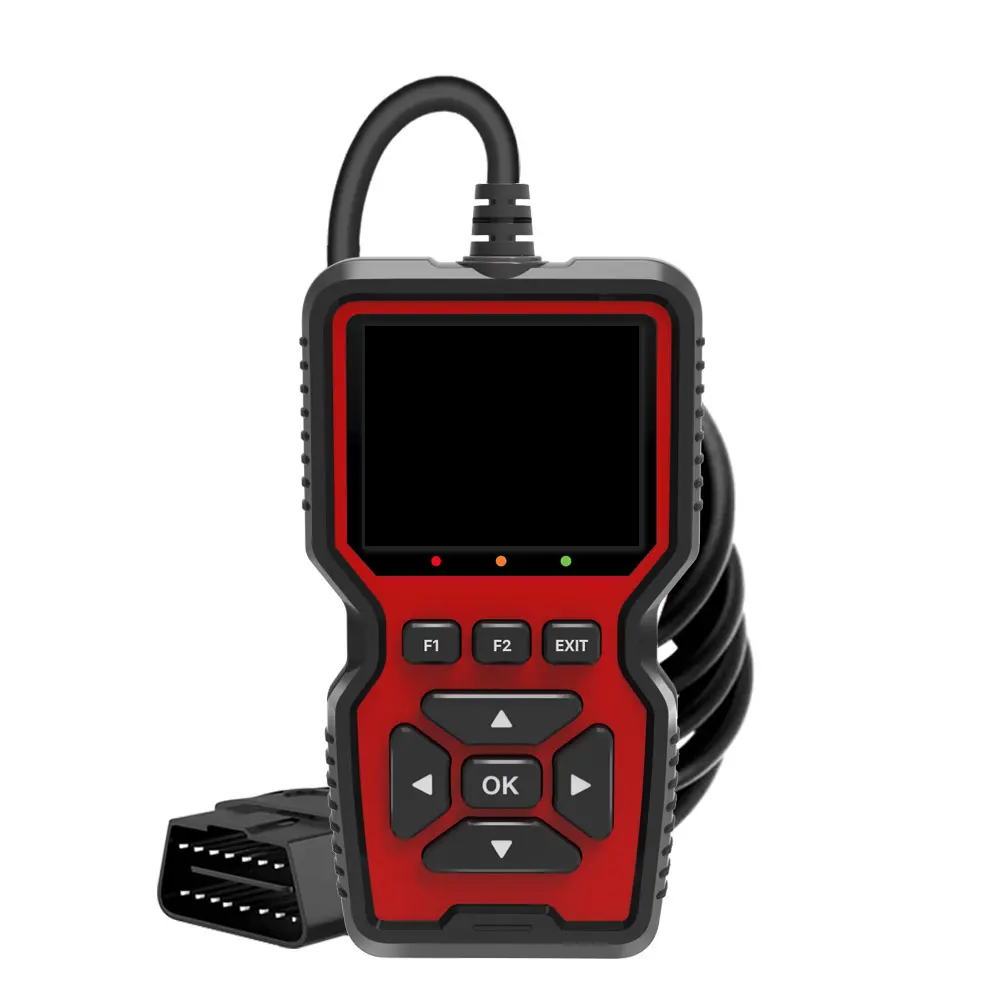
- Retrieve and Document DTCs: Connect an OBD-II diagnostic scanner to confirm the presence of C1430. Check for any other related suspension or chassis codes and record freeze frame data if available, which provides valuable information about vehicle conditions when the fault was set.
- Visual Inspection of the Left Rear Suspension:
- Inspect the entire wiring harness leading to the Left Rear damper from the suspension control module for any visible signs of damage, chafing, cuts, or strain. Pay close attention to areas where the harness passes through bodywork or near moving components.
- Examine the electrical connector at the Left Rear damper for corrosion, bent pins, loose terminals, or signs of moisture intrusion.
- Visually inspect the Left Rear damper itself for any physical damage, fluid leaks, or impact marks that might indicate an external cause for component failure.
- Electrical Continuity and Resistance Testing (Using a Digital Multimeter – DMM):
- Disconnect Battery: For safety and to prevent electrical damage during testing.
- Isolate Damper: Disconnect the electrical connector at the Left Rear damper.
- Test Damper Solenoid Resistance: Using a DMM set to ohms (Ω), measure the resistance across the two terminals of the damper’s solenoid on the damper itself. Compare this reading to manufacturer specifications (typically a few ohms, e.g., 2-20 Ω). An “OL” (Over Limit) or infinite reading indicates an internal open circuit within the damper’s solenoid, confirming a faulty damper.
- Test Wiring Harness Continuity:
- Locate the suspension control module and disconnect its connector.
- Identify the specific pins for the Left Rear damper circuit at both the damper connector (harness side) and the SCM connector. Refer to the vehicle’s wiring diagrams.
- Using the DMM set to continuity mode, test for continuity between the corresponding pins at the SCM connector and the damper connector. An “OL” or no continuity indicates a break in the wiring harness.
- Also, check each wire for continuity to a known good chassis ground. There should be no continuity to ground for signal or power wires.
- Voltage Supply and Ground Test (If Applicable): Reconnect the SCM, reconnect the battery, and with the ignition ON (do not start the engine), cautiously back-probe the damper connector (harness side) to check for proper voltage supply and ground. This may require activating the circuit with a scan tool for some systems.
- Suspension Control Module (SCM) Check: If the damper solenoid and the wiring harness test good, the SCM itself could be at fault. This is generally diagnosed by confirming all other components are functional. SCM testing often requires specialized diagnostic equipment or replacement for verification.
Recommended Repairs and Solutions
- Replace Faulty Left Rear Damper: If DMM testing confirms an open circuit within the damper’s internal solenoid, the entire electronically controlled Left Rear damper assembly must be replaced. Ensure the replacement part is specific to the vehicle’s adaptive suspension system.
- Repair or Replace Damaged Wiring Harness: If an open circuit is found in the wiring harness, carefully repair the damaged section using appropriate automotive-grade wire, soldering, and heat-shrink tubing. Alternatively, replace the entire section of the harness if damage is extensive or located in a critical area. Ensure all repairs are weatherproof and properly secured to prevent future damage.
- Clean or Replace Corroded Electrical Connectors: If corrosion is present at the connectors, clean the terminals thoroughly using electrical contact cleaner and a small brush. For severely corroded or damaged connectors, replace the affected connector pigtail. Apply dielectric grease to the terminals upon reassembly to prevent future corrosion.
- Replace Suspension Control Module (SCM): If the Left Rear damper and its wiring harness are verified to be in good condition, and all tests point to the control module, replace the SCM. Be aware that SCM replacement often requires specialized programming or calibration to the vehicle’s VIN and options using a factory-level scan tool.
- Clear DTCs and Test Drive: After any repair, use an OBD-II scanner to clear the C1430 code and any other related DTCs. Perform a thorough test drive over varying road conditions to confirm the repair, ensure the code does not return, and verify proper operation of the electronically controlled suspension system.