What Does Code C1446 Mean?
The diagnostic trouble code C1446 indicates a malfunction within the brake switch circuit. This code is typically generated by the Vehicle Stability Control (VSC) module, Anti-lock Braking System (ABS) module, or the Powertrain Control Module (PCM), depending on the vehicle manufacturer and system architecture. The control module monitors the input signal from the brake light switch (also known as the stop lamp switch or brake pedal position sensor) to determine when the driver is applying the brake pedal. Code C1446 signifies that this signal is implausible, out of specification, or exhibits an open/short circuit condition. For instance, the VSC module relies on this signal to accurately interpret driver braking intent, which is crucial for its algorithms in modulating individual wheel brakes during stability events. A faulty signal means the VSC system cannot reliably determine brake pedal application, often leading to its deactivation or limited functionality. The ECM/PCM also utilizes this input for various functions such as torque converter clutch (TCC) disengagement, cruise control operation, and automatic transmission shift interlock.
Common Symptoms
- Brake Lights Malfunction: Brake lights may not illuminate, illuminate constantly, or operate intermittently.
- Cruise Control Inoperability: Cruise control may fail to engage or may not disengage when the brake pedal is pressed.
- Warning Lights Illuminated: The Vehicle Stability Control (VSC) light, Traction Control (TRAC) light, and/or ABS warning light may be illuminated on the dashboard. The Check Engine Light (MIL) may also illuminate if the PCM detects the fault.
- Shift Interlock Issues: Difficulty shifting the automatic transmission out of Park.
- Erratic Transmission Behavior: In some cases, the transmission may exhibit rough shifting or other unusual behavior due to incorrect brake pedal input to the PCM.
What Causes the Code C1446?
- Faulty Brake Light Switch: This is the most common cause. The internal contacts of the switch can wear out, corrode, or fail mechanically, leading to an inconsistent or incorrect signal.
- Wiring Harness Issues:
- Open circuit in the power, ground, or signal wire leading to or from the brake switch.
- Short circuit to ground or short to voltage within the brake switch wiring.
- Corroded, loose, or damaged electrical connectors at the brake switch or the relevant control module (e.g., VSC, ABS, PCM).
- Improper Adjustment of the Brake Switch: If the brake switch is not correctly positioned or adjusted relative to the brake pedal arm, it may not actuate properly, leading to an incorrect signal status.
- Blown Fuse: A fuse supplying power to the brake light circuit, brake switch, or a related control module may be blown.
- Faulty Control Module: While less common, an internal failure within the ABS/VSC control module or PCM affecting its brake switch input circuit could trigger this code.
How to Diagnose and Troubleshoot
A systematic diagnostic approach is critical for C1446:
- Initial Scan and Data Analysis:
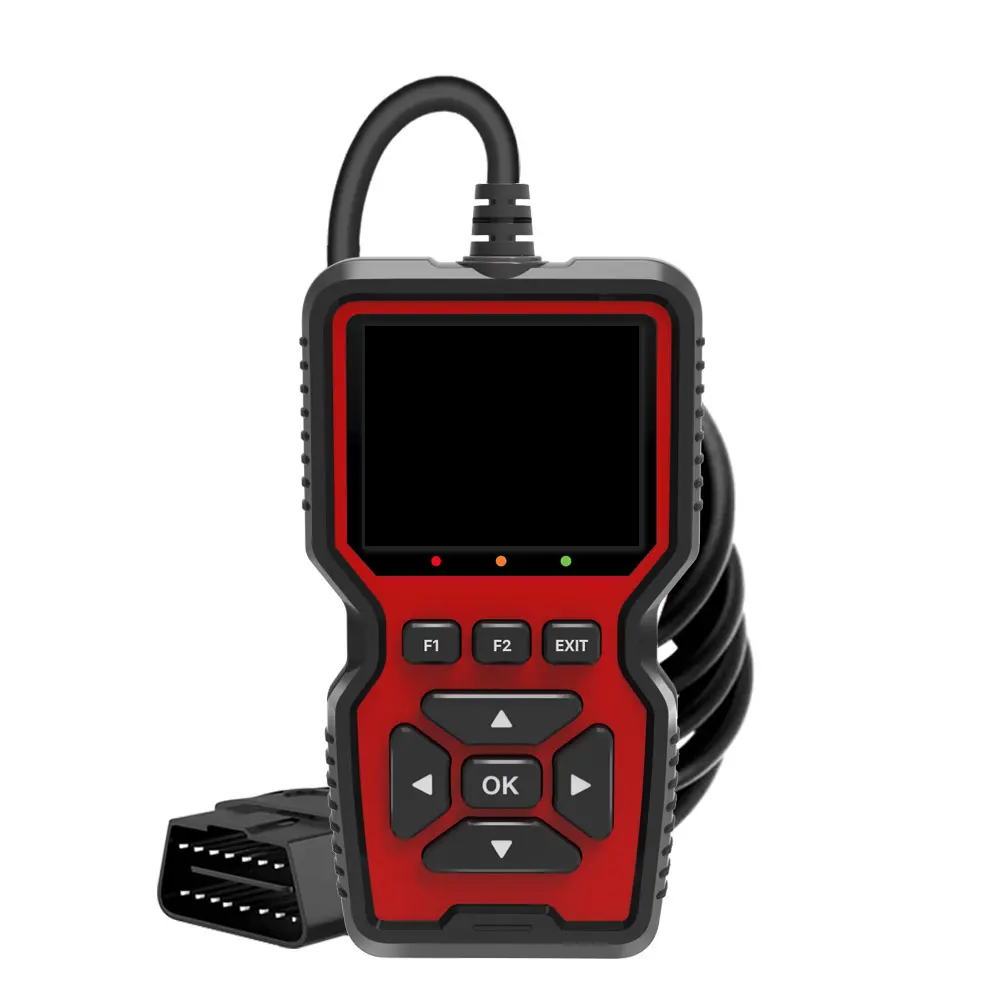
- Connect an OBD-II scanner to confirm the presence of code C1446 and check for any related or accompanying codes (e.g., U-codes indicating communication issues, other C-codes).
- Record freeze frame data associated with the C1446 code, which provides system parameters at the time the fault was set.
- Clear the codes and perform a short road test or repeatedly cycle the brake pedal to see if the code returns immediately.
- Utilize the scanner’s live data function to monitor the “Brake Switch Status,” “Stop Lamp Switch,” or similar parameter within the ABS/VSC or PCM data stream. Observe if the status accurately toggles between “ON” and “OFF” when the brake pedal is pressed and released.
- Visual Inspection:
- Locate the brake light switch, typically mounted on the brake pedal arm near the pivot point. Inspect its physical condition, ensuring it is securely mounted and not damaged.
- Examine the brake pedal assembly for any obstructions, bending, or misalignments that might prevent the switch from fully actuating or releasing.
- Carefully inspect the wiring harness and electrical connector leading to the brake switch for any signs of damage, fraying, exposed wires, corrosion, or looseness.
- Check all relevant fuses in the interior and under-hood fuse boxes that supply power to the brake lights, stop lamp circuit, or the VSC/ABS system.
- Electrical Circuit Testing (using a Digital Multimeter – DMM):
- Power Supply Check: Disconnect the brake switch connector. Identify the power input terminal to the switch using the OEM wiring diagram. With the ignition ON, test for battery voltage (B+) at this terminal using a DMM.
- Ground Continuity Check: If the switch requires a dedicated ground, identify the ground terminal and check for good continuity to a known chassis ground (typically less than 5 ohms).
- Switch Functionality Test (Disconnected): With the connector disconnected and the switch removed (if necessary for access), perform a continuity test across the switch’s terminals as specified by the OEM. For a simple 2-wire switch, it should show an open circuit with the pedal released and continuity (near 0 ohms) with the pedal depressed. For multi-wire switches, refer to the wiring diagram to test individual circuits (e.g., stop lamp circuit, VSC/PCM signal circuit) for proper open/close or resistance values.
- Signal Output Test (Connected): Back-probe the signal wire(s) of the brake switch with the connector connected and the ignition ON. Observe the voltage change on the DMM as the brake pedal is pressed and released. The signal should typically switch between a low voltage (near 0V or a specific reference voltage) and a high voltage (near B+ or another reference voltage) depending on the switch design (normally open/closed, pull-up/pull-down circuit). Compare these readings against OEM specifications.
Recommended Repairs and Solutions
Based on diagnostic findings, the following repairs are typically recommended:
- Replace the Brake Light Switch: This is the most common resolution for C1446. When replacing, ensure to use an OEM or high-quality aftermarket switch. Pay close attention to the installation procedure, especially concerning the switch’s adjustment. Many switches are designed to be pressed into place until they make contact with the pedal arm at a specific point or have a threaded body for precise adjustment. Incorrect adjustment can lead to persistent or intermittent issues.
- Repair or Replace Wiring and Connectors: If damaged wires, corroded terminals, or loose connectors are identified, repair them using appropriate automotive-grade wiring repair techniques (e.g., soldering and heat shrink tubing) or replace the connector housing. Ensure all connections are secure and weatherproof.
- Replace Blown Fuse: If a blown fuse is found, replace it with a new fuse of the correct amperage rating. It is crucial to investigate why the fuse blew, as it often indicates an underlying short circuit that needs to be addressed to prevent recurrence.
- Adjust Brake Switch: If the brake switch itself tests good but is improperly adjusted, carefully re-adjust its position according to manufacturer specifications to ensure proper actuation by the brake pedal. This often involves adjusting the plunger depth or the mounting position.
- Control Module Replacement: If all wiring, power, ground, and switch functionality tests pass, and the diagnostic points to an internal fault within the ABS/VSC module or PCM’s input circuit, replacement of the control module may be necessary. This is a significantly more complex and expensive repair that typically requires programming or calibration after installation.
Mechanic’s Tip: Always verify the repair by clearing all DTCs and performing a thorough road test. Ensure that all symptoms are resolved and no new codes reappear. On some Toyota/Lexus models, C1446 is almost exclusively attributed to the brake light switch, which is a multi-pin unit providing signals to several systems. Be mindful of potential VSC system zero-point calibration requirements after certain brake system repairs, though a simple brake switch replacement usually does not necessitate this.