What Does Code P1737 Mean?
The diagnostic trouble code P1737 indicates a malfunction within the Lockup Solenoid System, typically referring to the Torque Converter Clutch (TCC) solenoid circuit or its performance. The Powertrain Control Module (PCM), or in some applications, the Transmission Control Module (TCM), sets this code when it detects an electrical anomaly or a functional discrepancy within the TCC lockup system that prevents proper engagement or disengagement of the torque converter clutch. This system is crucial for achieving direct drive, improving fuel efficiency, and reducing transmission heat by mechanically coupling the engine to the transmission output shaft, thereby eliminating slippage inherent in the fluid coupling of the torque converter.
The PCM monitors the TCC solenoid’s electrical circuit for correct voltage, resistance, and current draw. It may also monitor torque converter slip using input and output shaft speed sensors. If the PCM commands the TCC solenoid to activate (lock up the converter) but observes an unexpected electrical reading (e.g., an open circuit, short to ground, or out-of-specification resistance) or if the slip rate across the torque converter does not conform to commanded parameters (too much slip when locked, or no slip when unlocked), P1737 will be stored. This code specifically points to a problem with the solenoid itself or its immediate control circuit, rather than a general transmission mechanical failure, though mechanical issues can sometimes be an underlying cause for the solenoid not achieving its desired effect.
Common Symptoms
- Illuminated Check Engine Light (CEL): This is often the first and most direct indicator.
- Reduced Fuel Economy: Without the TCC locking up, the engine continuously works through the fluid coupling, leading to increased RPMs for a given road speed and higher fuel consumption.
- Transmission Overheating: Excessive torque converter slip generates significant heat, which can lead to accelerated wear of transmission fluid and components.
- Shuddering or Vibration: A partially engaging or disengaging TCC can cause a noticeable shudder, especially under light acceleration or during cruising speeds. This might feel like driving over rumble strips.
- Erratic or Harsh Shifting: While not always directly caused by P1737, an issue with the TCC can sometimes indirectly affect shift quality as the PCM attempts to compensate.
- Lack of Power or Poor Acceleration at Highway Speeds: If the torque converter fails to lock up, the vehicle may feel sluggish at higher speeds as it remains in a less efficient drive state.
What Causes the Code P1737?
- Faulty Torque Converter Clutch (TCC) Lockup Solenoid: The solenoid itself can fail electrically (open circuit, short circuit) or mechanically (sticking valve, plunger malfunction) due to internal wear, debris, or overheating.
- Wiring Harness Issues: Damaged, corroded, or open/shorted wiring in the TCC solenoid circuit can prevent proper electrical control. This includes the wiring from the PCM/TCM to the solenoid and associated connectors.
- Contaminated Transmission Fluid: Debris or sludge in the transmission fluid can clog the TCC solenoid or its hydraulic passages, preventing proper operation. Severely degraded fluid can also lead to solenoid failure.
- Low Transmission Fluid Level: Insufficient fluid can lead to inadequate hydraulic pressure required for the TCC solenoid to function correctly and engage the clutch.
- Internal Transmission Valve Body Malfunction: A sticking or faulty valve within the valve body, particularly those related to TCC control, can prevent hydraulic pressure from reaching or acting on the TCC, even if the solenoid is commanded on.
- Worn Torque Converter Clutch Material: Although P1737 typically points to the solenoid system, a severely worn or damaged TCC clutch can lead to excessive slip that the PCM interprets as a solenoid system malfunction.
- Powertrain Control Module (PCM) / Transmission Control Module (TCM) Failure: While rare, an internal fault within the PCM/TCM that affects its ability to command or monitor the TCC solenoid can set this code.
How to Diagnose and Troubleshoot
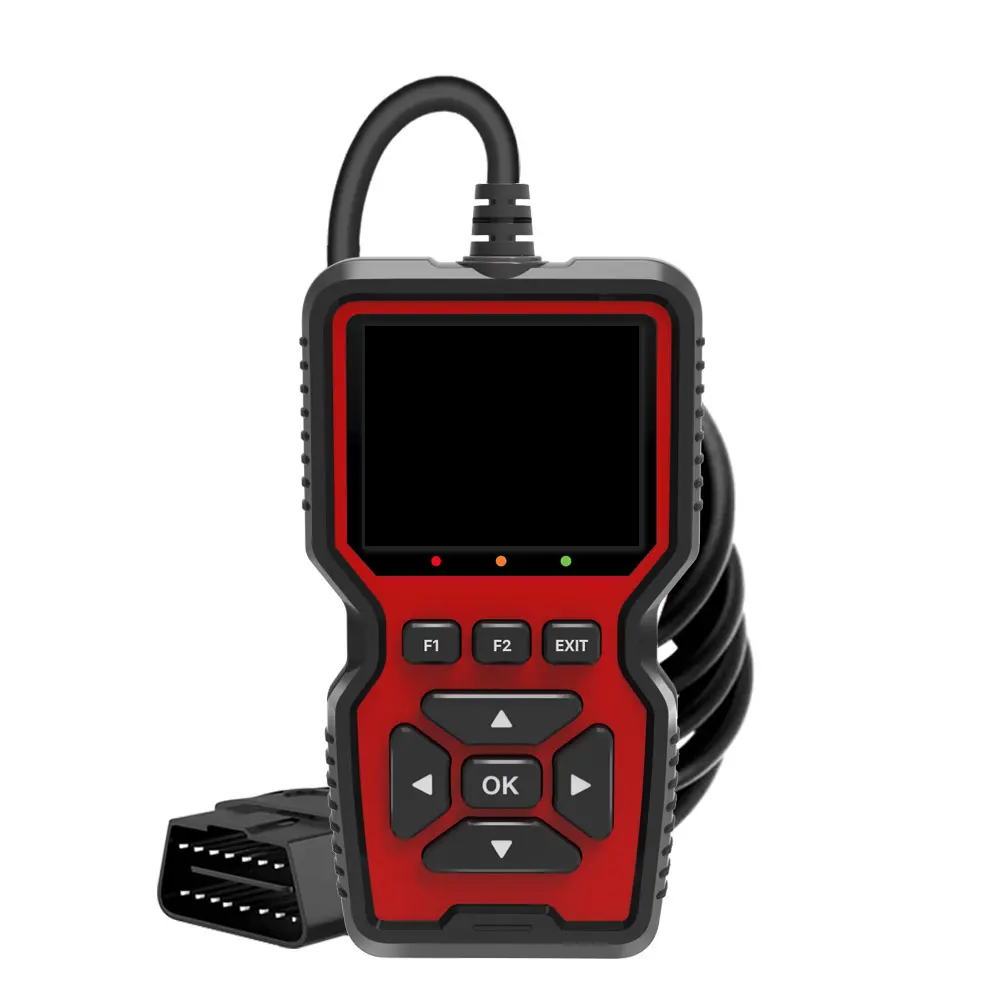
Diagnosing P1737 requires a systematic approach, often involving a digital multimeter (DMM), an OBD-II scanner with live data capabilities, and a keen eye for visual inspection.
- Retrieve and Analyze DTCs and Freeze Frame Data: Connect an OBD-II scanner to the vehicle’s DLC. Note P1737 and any other present or pending codes. Examine freeze frame data to understand engine and transmission conditions (engine speed, vehicle speed, transmission fluid temperature, load) when the code was set. This provides crucial context.
- Visual Inspection of Transmission Components and Wiring:
- Inspect the transmission fluid level and condition. Low fluid can cause hydraulic issues. Discolored, burnt-smelling fluid or fluid with visible debris indicates internal wear or contamination.
- Carefully inspect the external transmission wiring harness, specifically the section leading to the TCC solenoid (if externally accessible) or the transmission electrical connector. Look for signs of chafing, corrosion, loose connections, or damage from heat or road debris.
- Check the main transmission connector for bent pins, corrosion, or signs of fluid intrusion.
- Electrical Testing of the TCC Solenoid Circuit (with DMM):
- Locate the TCC Solenoid: The TCC solenoid is typically located inside the transmission, mounted on the valve body, and requires dropping the transmission pan for access. Consult the vehicle’s service manual for exact location and wiring diagrams.
- Resistance Test (Solenoid): With the solenoid disconnected, measure its internal resistance using a DMM. Compare this reading to the manufacturer’s specifications. An open circuit (infinite resistance) or a short circuit (near zero resistance) indicates a faulty solenoid.
- Continuity Test (Wiring): With the PCM/TCM connector and the solenoid connector disconnected, use the DMM to check for continuity in the TCC solenoid control wires between the PCM/TCM and the solenoid. Look for opens or shorts to ground/power.
- Voltage Drop Test: Check for excessive voltage drop across the TCC solenoid power and ground circuits.
- Live Data Analysis (with OBD-II Scanner):
- Monitor TCC Solenoid Command vs. TCC Slip: During a road test, monitor parameters like “TCC Solenoid Command” (ON/OFF), “Engine RPM,” “Input Shaft Speed,” and “Output Shaft Speed” or “Torque Converter Slip RPM.” When the TCC is commanded ON, the slip RPM should drop to near zero or a very low value (e.g., <50 RPM). If the slip remains high, despite the command, it indicates a lockup failure.
- Transmission Fluid Temperature (TFT) Sensor: Monitor TFT. Abnormally high temperatures can be a symptom of excessive slip and contribute to TCC system failure.
- Hydraulic Pressure Testing (Advanced): If electrical tests confirm the solenoid and wiring are functional, but the TCC still doesn’t lock up, hydraulic issues are suspect. This requires specialized gauges to measure line pressure and TCC apply pressure at specific ports on the transmission. Consult the service manual for test points and specifications.
Recommended Repairs and Solutions
The recommended repairs for P1737 depend directly on the diagnostic findings:
- Replace the TCC Lockup Solenoid: This is the most common repair if electrical testing confirms the solenoid itself is faulty. This typically involves dropping the transmission pan, draining the fluid, and removing the valve body (or a portion of it) to access the solenoid. Always use an OEM or equivalent quality replacement solenoid.
- Repair or Replace Wiring Harness: If the issue is identified as damaged or corroded wiring or connectors, repair the affected section using appropriate splicing techniques and heat shrink, or replace the entire sub-harness if damage is extensive. Ensure all connections are secure and clean.
- Transmission Fluid and Filter Service: If the transmission fluid is contaminated, burnt, or at an incorrect level, perform a complete fluid and filter service. Use the correct type of transmission fluid specified by the manufacturer. This can sometimes resolve issues caused by debris or insufficient lubrication, though it may not fix a physically failed solenoid.
- Valve Body Repair or Replacement: If diagnostic testing points to a sticking valve or internal hydraulic issue within the valve body, it may need to be serviced or replaced. This is a more involved repair, often requiring careful calibration and reassembly.
- Torque Converter Replacement: In rare cases where the TCC clutch material itself is severely worn and causing excessive slip despite a functional solenoid and hydraulic system, the entire torque converter may need replacement. This is a significant repair that often requires transmission removal.
- PCM/TCM Replacement or Reprogramming: If all other components test good and the issue is pinpointed to the control module, replacement or reprogramming might be necessary. This should be a last resort after thoroughly ruling out all other possibilities.
Mechanics’ Tips:
- Always refer to the specific vehicle’s service manual for detailed wiring diagrams, component locations, and resistance specifications for the TCC solenoid. These can vary significantly between manufacturers and models.
- When working inside the transmission, maintain absolute cleanliness to prevent contamination.
- After any transmission work, ensure the fluid level is correctly set according to the manufacturer’s procedure (often requires the engine running and at operating temperature).
- Clear the DTCs after repairs and perform a thorough road test to confirm the issue is resolved and the TCC is engaging and disengaging correctly, monitoring live data. Some transmissions may require a specific drive cycle or adaptive relearn procedure after component replacement.