What Does Code P1651 Mean?
The diagnostic trouble code P1651, typically a manufacturer-specific code often seen in Ford vehicles, indicates a malfunction within the Power Steering Pressure (PSP) switch input circuit. The Powertrain Control Module (PCM) or Engine Control Module (ECM) monitors the signal from the PSP switch to detect periods of high parasitic load on the engine caused by the power steering pump. The PSP switch is a pressure-activated, normally-open switch, which closes and provides a ground signal to the PCM when hydraulic pressure in the power steering system exceeds a predetermined threshold (e.g., during low-speed maneuvers or at full steering lock). This signal informs the PCM that the engine will experience increased drag from the power steering pump. In response, the PCM adjusts the engine’s idle speed, typically by commanding the Idle Air Control (IAC) valve to open further or by manipulating the electronic throttle body, to prevent the engine from stalling or experiencing significant RPM drops. Code P1651 is set when the PCM detects an illogical signal state from the PSP switch input—meaning the switch is either continuously open when it should be closed, continuously closed when it should be open, or there is an electrical fault (open circuit, short to ground, or short to voltage) within the circuit preventing a correct signal interpretation.
Common Symptoms
- Erratic or Rough Engine Idle: The most common symptom, especially noticeable when turning the steering wheel at low speeds or while stationary, as the engine fails to compensate for the added load.
- Engine Stalling: The engine may stall when the steering wheel is turned sharply, particularly during parking maneuvers, due to the PCM not adjusting idle speed to prevent excessive RPM drop.
- Illumination of the Malfunction Indicator Lamp (MIL): The Check Engine Light will illuminate on the dashboard to notify the driver of a detected fault.
- Reduced Power Steering Effectiveness (indirect): While the switch itself doesn’t directly control steering assist, a struggling engine due to improper idle compensation might give the impression of heavier steering.
What Causes the Code P1651?
- Faulty Power Steering Pressure (PSP) Switch: The switch itself can fail internally, causing it to stick in either an open or closed position, or to provide an intermittent signal.
- Damaged Wiring Harness: An open circuit (break in the wire), a short to ground (wire touching chassis ground), or a short to voltage (wire touching a power source) in the PSP switch signal wire or its associated ground wire.
- Corroded Electrical Connectors: Poor electrical contact at the PSP switch connector or at the PCM connector due to corrosion or damage.
- Low Power Steering Fluid Level or Air in the System: While less common for a direct electrical input malfunction code, extremely low fluid or excessive air can prevent the pressure from building sufficiently to activate the switch, mimicking a stuck-open condition.
- Faulty Powertrain Control Module (PCM): Although rare, an internal failure within the PCM’s input circuit for the PSP switch can cause this code. This should only be considered after all other possibilities have been meticulously ruled out.
How to Diagnose and Troubleshoot
A systematic approach is crucial for diagnosing P1651:
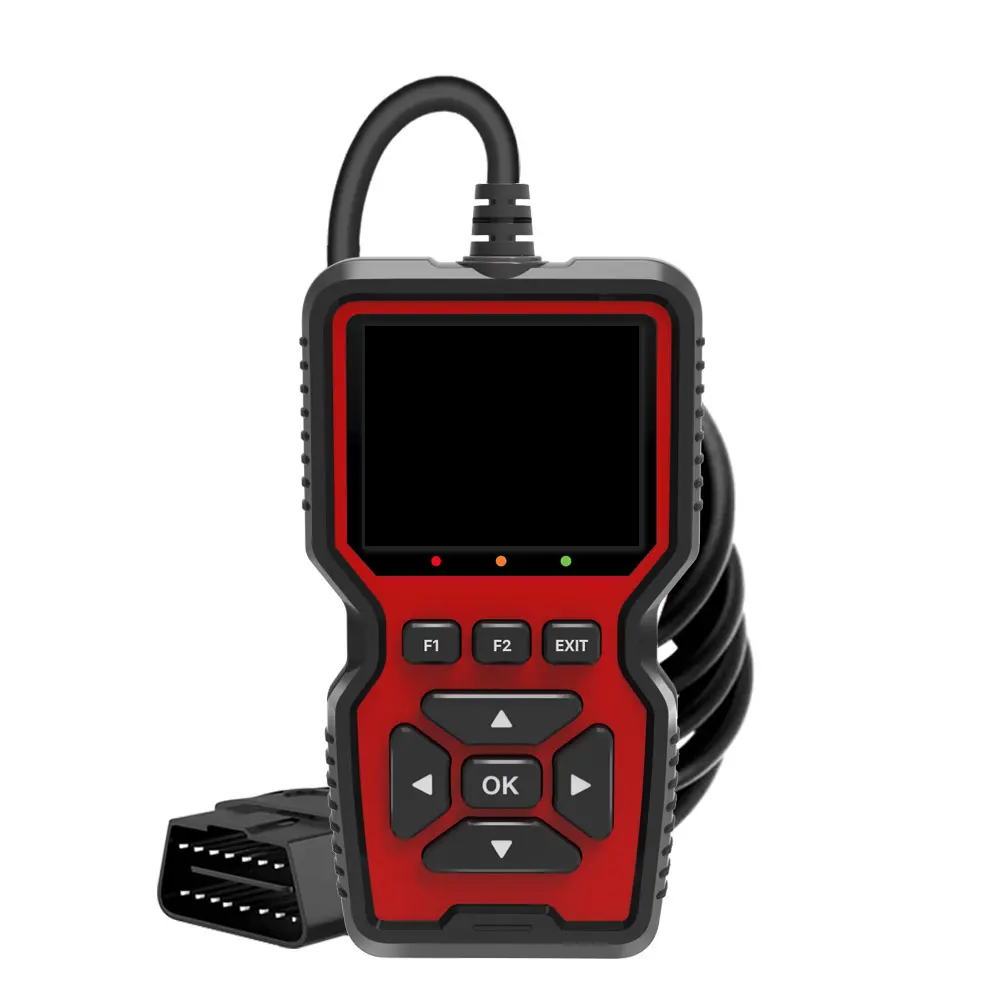
- Verify the Code and Freeze Frame Data: Connect an OBD-II scan tool to confirm P1651 is present and check for any related codes. Review freeze frame data to understand engine conditions (RPM, load, etc.) when the fault occurred, which can provide valuable clues.
- Visual Inspection:
- Locate the PSP switch, typically threaded into a high-pressure power steering line or directly into the power steering pump.
- Inspect the PSP switch and its electrical connector for obvious signs of damage, corrosion, or loose connections.
- Trace the wiring harness from the PSP switch back to the PCM, looking for chafing, cuts, pinches, or other damage that could indicate an open circuit or short.
- Check the power steering fluid level and condition. Ensure it is at the proper level and free from excessive aeration or contamination.
- PSP Switch Functionality Test (Using a Digital Multimeter – DMM):
- Disconnect the electrical connector from the PSP switch.
- Using a DMM set to resistance (Ohms), check for continuity across the switch terminals.
- With the engine off and no power steering pressure, the switch should be open (displaying infinite resistance or “OL” for open loop).
- Start the engine and turn the steering wheel to full lock (briefly, to build maximum pressure and avoid pump damage). The switch should now close, displaying continuity (near 0 Ohms). If the switch fails this test, it is faulty.
- Wiring Integrity Test:
- Voltage Supply/Ground Test: With the PSP switch disconnected and the ignition ON, use the DMM to check the voltage on the relevant wire(s) at the PSP switch connector. Consult the vehicle’s specific wiring diagram for expected voltage (often a 5V reference) and ground. If a reference voltage is missing or an expected ground is absent, trace that circuit.
- Continuity to PCM: Disconnect the PCM connector (refer to the wiring diagram for the correct pinouts). Perform a continuity test from the PSP switch connector’s signal wire to the corresponding pin at the PCM connector. There should be low resistance (continuity).
- Short to Ground/Voltage Test: With the PCM and PSP switch connectors disconnected, check for a short to ground by placing one DMM lead on the signal wire at the PCM connector and the other on a known good chassis ground. There should be infinite resistance. Similarly, check for a short to voltage by probing the signal wire with the DMM in voltage mode (ignition ON); it should read 0V.
- PCM Live Data Monitoring (With Advanced Scan Tool): If your scan tool supports it, monitor the “Power Steering Pressure Switch” or equivalent PID in the PCM’s live data stream. Observe if the PID switches between “Open/Off” and “Closed/On” correctly as you turn the steering wheel. An illogical or stuck state here, despite functional switch and wiring tests, may point to an internal PCM issue.
Recommended Repairs and Solutions
Based on diagnostic findings, the following repairs are typically recommended:
- Replace the Power Steering Pressure (PSP) Switch: This is the most frequent solution. Ensure the replacement switch is specific to the vehicle make and model. Apply appropriate thread sealant (if not pre-applied) and torque the new switch to manufacturer specifications. Be prepared for some power steering fluid loss and bleed the system thoroughly after replacement to remove any trapped air.
- Repair or Replace Damaged Wiring and Connectors: If damaged wiring or corroded connectors are identified, perform professional repairs. For damaged wires, solder connections with heat-shrink tubing for durability, or replace the section of the harness. Replace any severely corroded or damaged connectors.
- Address Power Steering System Integrity: If the root cause was determined to be extremely low fluid levels or excessive air preventing the switch from activating, top off the power steering fluid with the correct type and bleed the system of air. This might require multiple turns of the steering wheel lock-to-lock with the engine running.
- PCM Replacement: Only consider PCM replacement as a last resort, after meticulously ruling out all other components and wiring. A faulty PCM is rare and expensive, requiring reprogramming after installation.
After any repair, clear the DTCs using an OBD-II scanner and perform a test drive under various driving conditions, including low-speed maneuvers, to verify that the P1651 code does not return and that the idle compensation functions correctly.