What Does Code C1699 Mean?
Diagnostic Trouble Code (DTC) C1699 indicates a detected electrical fault within the circuit of the Left Rear Wheel Speed Sensor. Specifically, the Anti-lock Brake System (ABS) Control Module (also known as the Electronic Brake Control Module – EBCM, or Vehicle Stability Control Module – VSCM) has identified a condition where the sensor’s signal or power supply circuit is shorted to a source of positive battery voltage (Vbat). This implies an abnormal presence of 12V or system voltage on a circuit that should be at a lower reference voltage, fluctuating signal voltage, or ground potential.
The ABS control module continuously monitors the electrical characteristics of each wheel speed sensor circuit. These sensors typically generate a varying voltage or frequency signal proportional to wheel rotation. Active sensors also draw a specific current. When the module detects an unexpectedly high and sustained voltage level, often equal to the vehicle’s battery voltage, on the sensor’s input or low-reference circuit, it interprets this as a critical short to Vbat. This short circuit interferes with the module’s ability to accurately read the wheel speed from the left rear wheel, severely compromising the operational integrity of the ABS, Traction Control System (TCS), and Electronic Stability Control (ESC/VSC) systems. The module can no longer rely on accurate wheel speed data from that specific wheel for critical calculations, leading to system deactivation and the illumination of associated warning indicators.
Common Symptoms
- ABS Warning Light Illumination: The most direct and common symptom, indicating a fault within the Anti-lock Braking System.
- Traction Control System (TCS) Light Illumination: Often illuminates concurrently with the ABS light, as TCS relies heavily on wheel speed sensor data.
- Electronic Stability Control (ESC/VSC) Light Illumination: Similar to TCS, ESC functionality is compromised and the warning light will activate.
- Loss of ABS Function: The ABS system will likely be disabled, potentially leading to wheel lock-up under hard braking conditions.
- Erratic Speedometer or Odometer Readings: While less common for a single rear wheel speed sensor on some vehicles, if the left rear sensor is also used as a primary input for vehicle speed, the speedometer could behave erratically.
- Loss of Cruise Control Functionality: Many modern cruise control systems rely on accurate wheel speed data, and a fault can disable them.
- Unexpected ABS Activation: In rare cases, if the short causes highly erratic and noisy signal readings mimicking wheel lock-up, the ABS might incorrectly activate during normal or light braking.
What Causes the Code C1699?
- Damaged Left Rear Wheel Speed Sensor Wiring Harness: The predominant cause. The wiring may be chafed, pinched, cut, or corroded, allowing a positive voltage wire (Vbat) to directly contact the sensor’s signal or low-reference circuit. This often occurs where the harness is routed near moving suspension components, sharp edges, or is exposed to road debris.
- Internal Short within the Left Rear Wheel Speed Sensor: The sensor itself may have an internal electrical fault where components within the sensor short to its internal power supply or a Vbat input, feeding this voltage back onto the signal line. This can result from physical impact, manufacturing defect, or age-related degradation.
- Corrosion or Water Intrusion in Electrical Connector: The electrical connector for the left rear wheel speed sensor, or its connection to the main vehicle harness, can accumulate moisture, dirt, or road salts. This creates a conductive path that shorts the sensor circuit to an adjacent power wire within the same connector or to an external Vbat source.
- Faulty ABS Control Module (EBCM/VSCM): While less common and typically considered a last resort diagnosis, an internal fault within the ABS control module, specifically affecting the input circuit for the left rear wheel speed sensor, could theoretically cause this code by supplying Vbat internally to the signal line. This is rare for a direct “short to Vbat” specific code and usually accompanies other internal module fault codes.
How to Diagnose and Troubleshoot
Diagnosis of C1699 requires meticulous electrical testing and visual inspection. Always begin with safety precautions, including disconnecting the negative battery terminal if working with exposed wiring.
- Visual Inspection:
- Begin by thoroughly inspecting the entire length of the left rear wheel speed sensor wiring harness, starting from the sensor itself and tracing it to its connection point at the main vehicle harness or ABS module.
- Look for any signs of physical damage: chafing, cuts, pinches, corrosion, or burnt insulation. Pay close attention to areas where the harness passes through grommets, near moving suspension components, brake lines, or exhaust heat shields.
- Inspect the sensor’s electrical connector (both the sensor side and the harness side) for bent pins, pushed-out pins, corrosion, green oxidation, or contamination. Ensure it is securely seated.
- Scan Tool Analysis:
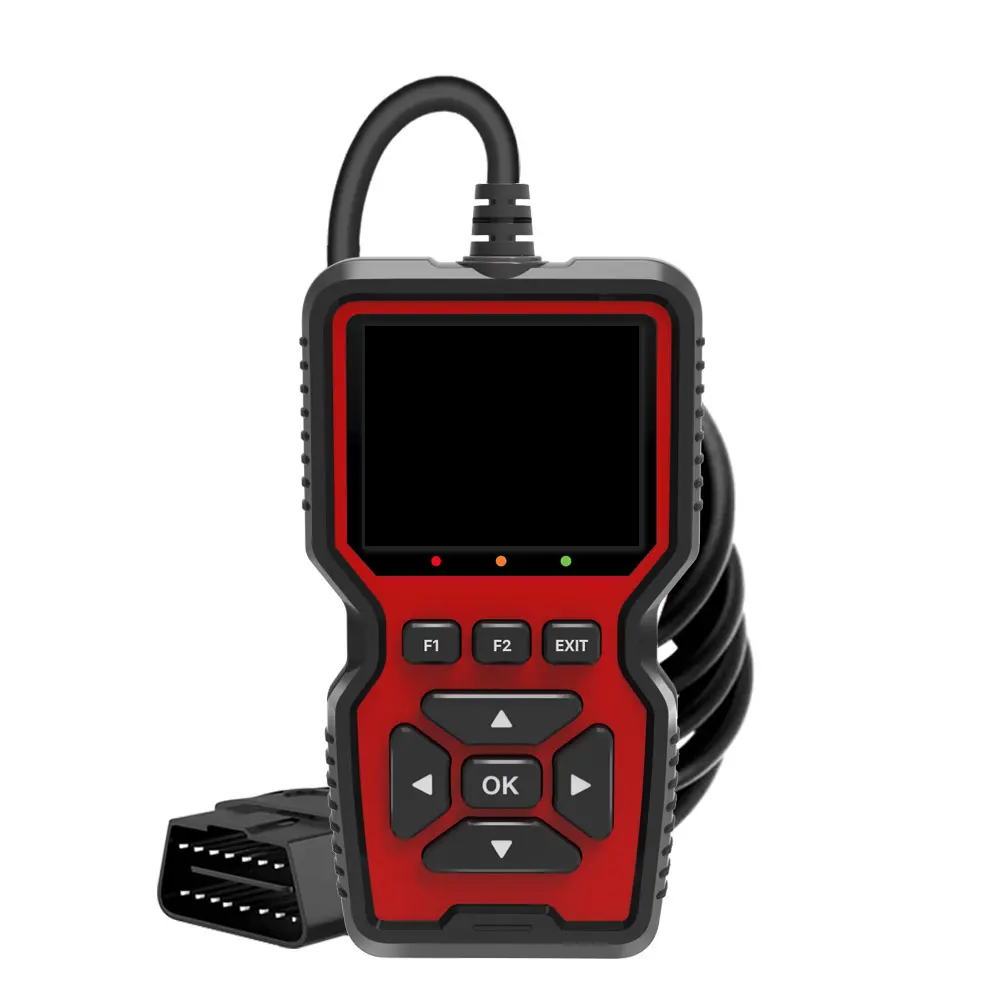
- Connect an advanced OBD-II scanner capable of communicating with the ABS/Chassis module.
- Read and record all current and pending DTCs. Note any other ABS, TCS, or communication codes, as they might provide additional context or indicate a broader system issue.
- Clear the C1699 code and perform a short test drive at varying speeds to see if the code immediately returns. If available, monitor live data for the left rear wheel speed sensor. If the sensor is shorted to Vbat, the live data reading for that sensor might be stuck at an illogical high value, zero, or show erratic behavior.
- Electrical Diagnostics (Ignition OFF, Battery Disconnected):
- Disconnect Sensor: Disconnect the left rear wheel speed sensor from its harness connector.
- Harness Side Pin-Out Check: Using a Digital Multimeter (DMM) set to resistance (Ohms), measure the resistance between each pin on the harness side connector and a known chassis ground. While C1699 specifies a short to Vbat, an accompanying short to ground can often be present with damaged wiring. A reading close to 0 ohms indicates a short to ground.
- Harness Side Short to Vbat Check: With the battery still disconnected for safety during initial checks, inspect for potential Vbat shorts. If no obvious direct short is found visually, you’ll need to reconnect the battery for live voltage testing.
- Electrical Diagnostics (Ignition ON, Engine OFF – KOEO, Battery Connected):
- Voltage on Signal Wire (Harness Side): Reconnect the battery. With the ignition ON (engine OFF), carefully measure the voltage at the signal wire pin(s) on the harness side connector (sensor still disconnected). A healthy signal wire should typically show a low reference voltage (e.g., 0V to 1.5V) or be floating. If Vbat (typically ~12V) is present on the signal wire, this definitively indicates a short in the harness wiring to a positive battery voltage source.
- Power and Ground at Sensor Connector (Active Sensors): If the sensor is an active type, it requires a dedicated power and ground supply. Measure the voltage at the harness side connector pins that supply power to the sensor. Ensure Vbat is present where expected, and a good ground (0V) exists on the ground pin. If Vbat is present on the ground pin, this would indicate a short.
- Test the Sensor Itself (Removed or Disconnected):
- Resistance Check (Passive Sensors): If it’s a passive (inductive) sensor, measure the resistance across the two sensor terminals. Compare this reading to manufacturer specifications (typically several hundred to several thousand ohms). An open circuit (OL) or extremely low resistance (near 0 ohms) indicates an internal sensor failure.
- Continuity Check for Internal Short (All Sensors): Measure resistance between each sensor terminal and the sensor’s external casing (if metal and intended to be grounded). Also, check resistance between each sensor terminal and Vbat if an internal power lead exists. Any direct short (near 0 ohms) indicates a faulty sensor.
- ABS Module Input Check (Advanced):
- If the wiring harness and sensor have been meticulously tested and confirmed to be good, and the “short to Vbat” is consistently measured at the ABS module connector on the input pin for the left rear wheel speed sensor (with both the sensor and its harness disconnected), then the fault may originate within the ABS control module itself. This step should only be performed after ruling out all other external components.
Recommended Repairs and Solutions
Once the root cause of C1699 is identified through thorough diagnosis, the appropriate repair can be made:
- Repair or Replace Damaged Wiring Harness: If visual inspection or electrical tests confirm a short to Vbat in the left rear wheel speed sensor wiring harness, the primary repair involves repairing the damaged section. Use appropriate gauge wire, automotive-grade connectors, solder connections, and seal them with adhesive-lined heat shrink tubing to prevent future corrosion or damage. If the damage is extensive, involves multiple wires, or is in an inaccessible location, it is often more reliable and efficient to replace the entire segment of the wiring harness that leads to the sensor. Ensure proper routing, securement, and use of factory-style clips to prevent future chafing or damage from vibration and movement.
- Replace Faulty Left Rear Wheel Speed Sensor: If the internal tests on the sensor itself indicate a short to Vbat or other internal failure, replace the left rear wheel speed sensor. When installing a new sensor, ensure the mounting surface on the knuckle or hub is thoroughly cleaned and free of rust, dirt, or debris to ensure proper air gap and sensor function. Torque the retaining bolt to manufacturer specifications. Apply a small amount of dielectric grease to the electrical connector to protect against moisture intrusion.
- Clean or Replace Corroded Connector: If corrosion or contamination at the sensor connector (or an inline harness connector) is identified as the cause, carefully clean the connector pins using an electrical contact cleaner and a small brush. If the pins are bent, severely corroded, or the plastic housing is cracked, the connector should be replaced with an automotive-grade pigtail connector. Always use dielectric grease on the connector after cleaning or replacement to prevent future issues.
- Replace ABS Control Module: Only consider replacing the ABS control module as a last resort. This should only be done if all other potential causes (wiring, sensor, connectors) have been meticulously inspected, tested, and definitively ruled out, and the short to Vbat is definitively traced back to an internal fault within the module itself. ABS module replacement is typically an expensive repair and often requires specialized programming or calibration after installation using a factory-level scan tool.
- Clear Codes and Verify Repair: After performing any repair, clear all diagnostic trouble codes using an OBD-II scanner. Perform an extended test drive under various conditions, including acceleration and braking, to ensure the ABS, TCS, and ESC warning lights remain off and that code C1699 (or any new related codes) does not return. If possible and safe, perform a controlled test of ABS function to verify system integrity.