What Does Code P1170 Mean?
DTC P1170 indicates an electrical fault within the circuit of the Engine Shut Off (ESO) Solenoid. This specific code is often associated with Ford vehicles, particularly those equipped with a fuel shut-off solenoid in diesel applications (e.g., 7.3L Power Stroke engines) or certain gasoline systems designed to control fuel flow to prevent engine operation. The ESO solenoid is a critical component responsible for enabling or disabling fuel delivery to the engine. In diesel systems, it typically allows fuel flow to the injection pump when energized (key ON) and cuts fuel when de-energized (key OFF), thereby shutting down the engine. The Powertrain Control Module (PCM), also known as the Engine Control Module (ECM), monitors the voltage and current characteristics of the ESO solenoid circuit. When the PCM detects an electrical condition (such as an open circuit, short to ground, or short to voltage) that deviates from the expected operational parameters for the ESO solenoid circuit, it sets the P1170 code and illuminates the Malfunction Indicator Lamp (MIL). This indicates that the PCM cannot properly control or verify the electrical integrity of the engine shut-off function.
Common Symptoms
- No-Start Condition: The engine cranks normally but will not fire or start due to a lack of fuel supply.
- Engine Stalls Immediately After Starting: If the solenoid intermittently fails or loses power after the initial start sequence.
- Check Engine Light (MIL) Illumination: The primary indicator that a fault has been detected.
- Engine Won’t Shut Off (Rare): In some reverse-logic systems, a fault could prevent proper engine shutdown, though P1170 typically indicates a failure to enable fuel flow.
What Causes the Code P1170?
- Faulty Engine Shut Off (ESO) Solenoid: The most common cause, due to an internal electrical failure of the solenoid coil (e.g., open circuit, short circuit, or high resistance).
- Wiring Harness Issues: An open circuit, short to ground, short to power, or high resistance within the ESO solenoid’s electrical harness. This includes damaged wires, chafing, or corroded/loose connectors.
- Blown Fuse: If the circuit supplying power to the ESO solenoid has a dedicated fuse, a blown fuse due to an electrical overload or short can trigger this code.
- Faulty Powertrain Control Module (PCM/ECM): Less common, but a defective driver circuit within the PCM responsible for controlling the ESO solenoid can cause the code.
How to Diagnose and Troubleshoot
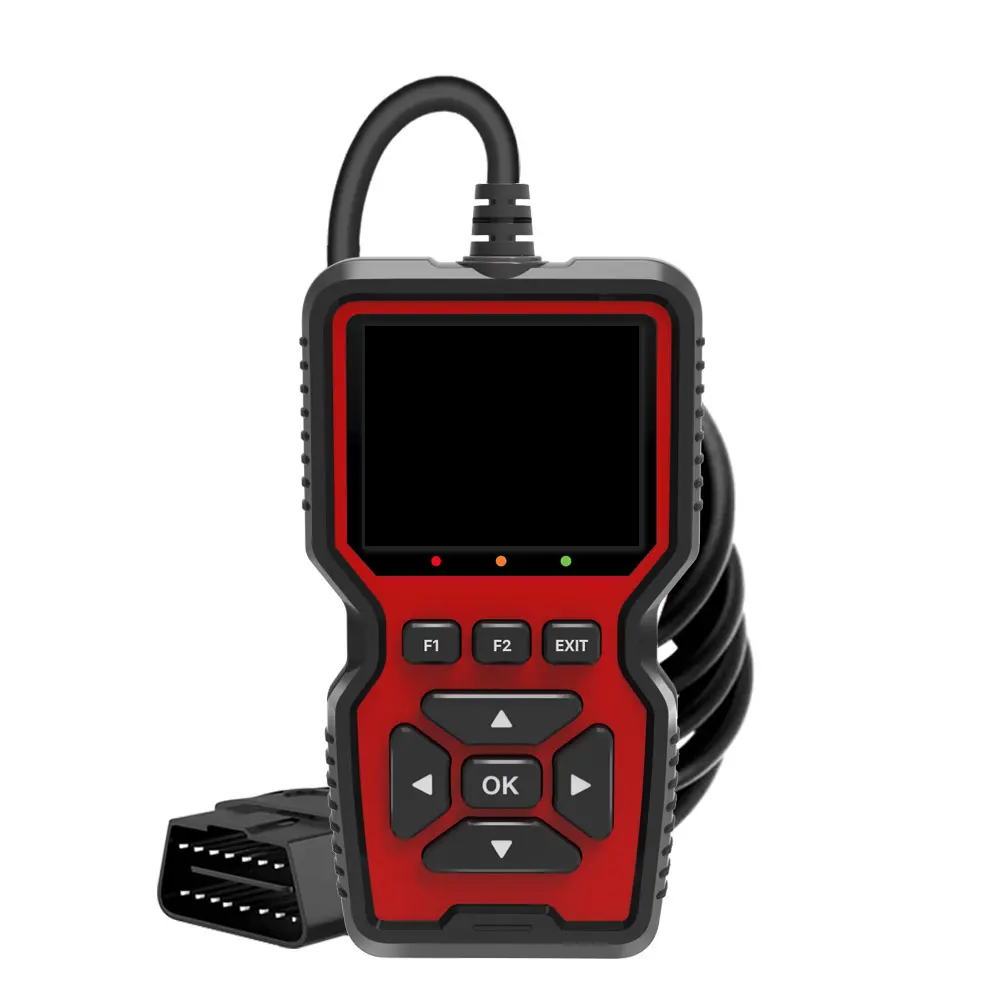
Diagnosis of P1170 requires a systematic approach using a digital multimeter (DMM) and an OBD-II scan tool:
- Visual Inspection: Begin by performing a thorough visual inspection of the ESO solenoid and its associated wiring harness and connectors. Look for any signs of damage, chafing, corrosion, or loose connections. Pay close attention to the fuse panel, checking any fuses related to the engine control or fuel system circuits for continuity.
- Check for Power and Ground at the ESO Solenoid:
- Locate the ESO solenoid. With the key in the ON position (KOEO), use a DMM to back-probe the connector at the ESO solenoid to check for battery voltage (B+). On some systems, power may only be present during cranking or engine run. Consult a wiring diagram for the specific vehicle to determine the expected voltage states and wire functions.
- Verify a solid ground connection if the solenoid is grounded through the harness. Measure voltage drop between the ground wire terminal and the negative battery post.
- Measure ESO Solenoid Resistance:
- Disconnect the electrical connector from the ESO solenoid.
- Set your DMM to the Ohms (Ω) setting. Measure the resistance across the two terminals of the ESO solenoid itself.
- Compare the measured resistance to the manufacturer’s specifications. A typical resistance range might be between 5 to 20 Ohms. An infinite reading indicates an open circuit (failed solenoid coil), while a reading very close to zero or a short to the solenoid body indicates an internal short circuit.
- Check PCM Output (if applicable):
- If power and ground are present at the solenoid connector, but the solenoid resistance is within spec, the issue could be with the PCM’s control.
- With the solenoid disconnected, back-probe the PCM-side of the connector. Using a bi-directional scan tool, attempt to command the ESO solenoid ON and OFF while monitoring the voltage at the connector. Confirm the PCM is sending the appropriate voltage signal. If no bi-directional control is available, monitor the voltage during key cycles (ON/OFF) and cranking to see if the expected control signal is present.
Recommended Repairs and Solutions
Based on the diagnostic findings, the following repairs are typically recommended:
- Replace the Engine Shut Off Solenoid: If the solenoid itself fails the resistance test (open or short circuit) or does not actuate when direct power and ground are applied (if safe to test), replacing the ESO solenoid is the most common and effective solution. Ensure the replacement part is an exact match for the vehicle’s make, model, and engine.
- Repair or Replace Wiring Harness: If the visual inspection or circuit checks reveal damaged, corroded, or open/shorted wires in the harness, repair the specific section using appropriate automotive wiring repair techniques (e.g., soldering and heat-shrink tubing), or replace the entire harness section if damage is extensive. Always ensure connectors are clean and tight.
- Replace Blown Fuse: If a blown fuse is found, replace it with a fuse of the correct amperage rating. However, it is crucial to diagnose and fix the underlying short circuit or overload that caused the fuse to blow to prevent immediate recurrence.
- PCM Replacement/Repair: If all other components and wiring have been thoroughly tested and confirmed to be in good working order, and the PCM is not providing the correct control signal to the ESO solenoid, then a PCM fault is indicated. PCM replacement or repair should only be considered as a last resort and typically requires reprogramming the new module to the vehicle.