What Does Code C1866 Mean?
The diagnostic trouble code C1866 signifies an “Air Suspension Rear Inflator Solenoid Output Circuit Open.” This is a chassis-related code, typically detected and set by the Air Suspension Control Module (ASCM), also sometimes referred to as the Suspension Control Module (SCM) or a dedicated Body Control Module (BCM) with integrated suspension control capabilities. The ASCM is responsible for monitoring and controlling the vehicle’s self-leveling air suspension system. Specifically, C1866 indicates that the ASCM has detected an electrical open circuit condition in the control or power circuit leading to one of the rear air spring inflator solenoids. These solenoids are critical components that regulate the flow of compressed air into and out of the rear air springs, allowing the system to adjust ride height and maintain vehicle level. When an open circuit is detected, it means the ASCM is not receiving the expected electrical feedback or current flow through the solenoid circuit, effectively preventing it from commanding the solenoid to operate and thus hindering the inflation of the rear air springs.
Common Symptoms
- Rear of the vehicle sagging: The most prominent symptom, particularly noticeable when the vehicle is loaded or after being parked overnight.
- “Air Suspension Fault” or “Service Suspension System” warning light: An illuminated warning on the instrument cluster indicating a malfunction in the air suspension system.
- Harsh or bouncy ride quality at the rear: Due to the air springs being under-inflated or completely deflated, losing their ability to absorb road imperfections.
- Air compressor running excessively or not at all: The compressor might attempt to inflate the rear springs without success, or the ASCM may disable the compressor entirely once the open circuit is detected.
- Inability to adjust ride height: The vehicle will not respond to manual ride height adjustments if equipped.
What Causes the Code C1866?
- Open circuit in the wiring harness: A broken, chafed, or corroded wire in the circuit between the Air Suspension Control Module (ASCM) and the rear air spring inflator solenoid. This is a very common cause due to environmental exposure and movement.
- Faulty rear air spring inflator solenoid: The solenoid itself has an internal open circuit in its coil windings, preventing current flow even when commanded by the ASCM. Solenoids can fail due to age, heat cycling, or internal electrical breakdown.
- Corroded or loose electrical connectors: Oxidation, bent pins, or improper seating at the multi-pin connectors for either the solenoid or the ASCM can create high resistance or a complete open circuit.
- Blown fuse: Although less common for a direct “output circuit open” code, a blown fuse supplying power to the solenoid circuit would result in an open condition.
- Failed Air Suspension Control Module (ASCM): In rare instances, an internal fault within the ASCM could prevent it from properly supplying voltage or monitoring the solenoid circuit.
How to Diagnose and Troubleshoot
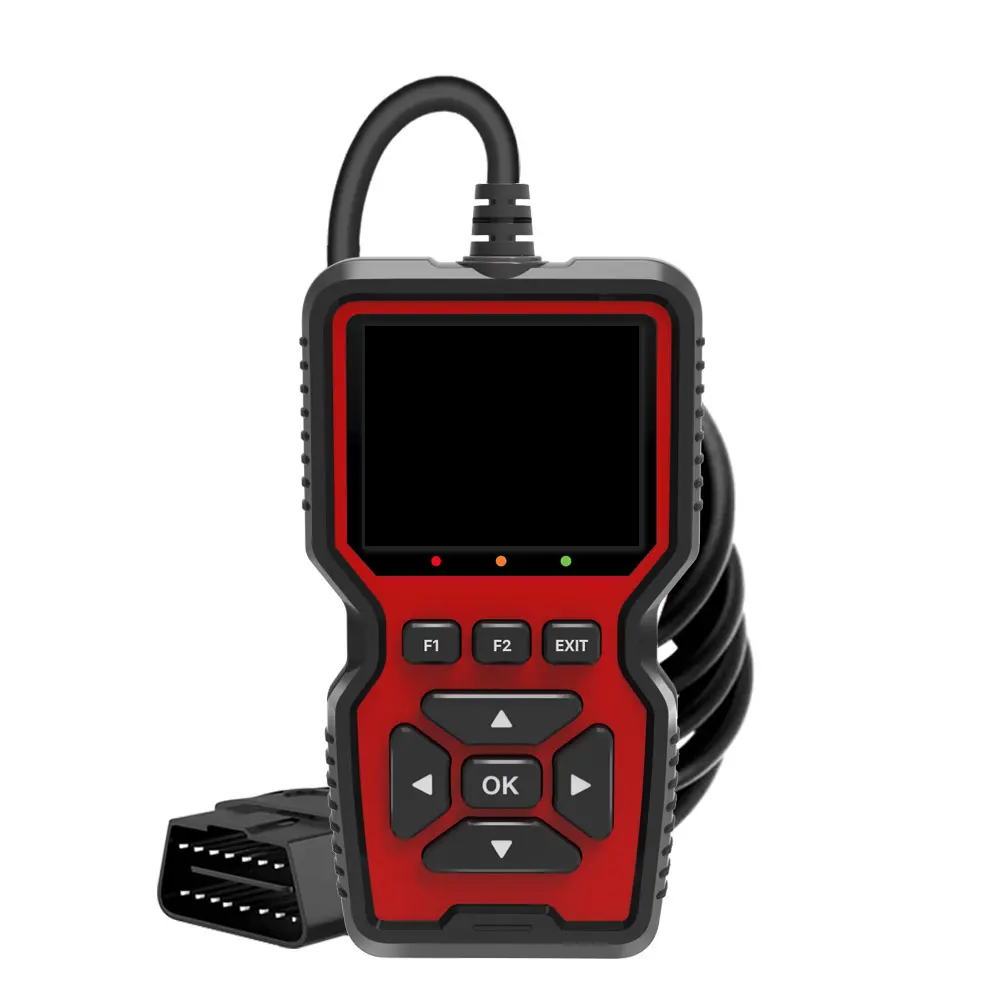
Diagnosis of C1866 requires a systematic approach, often involving a digital multimeter (DMM) and a capable OBD-II scan tool that can access the ASCM. Always begin with a visual inspection before performing electrical tests.
- Visual Inspection:
- Inspect the wiring harness leading to the rear air suspension components (compressor, valve block, air springs) for signs of damage, chafing, corrosion, or disconnections. Pay close attention to areas where the harness passes through frame rails or near moving parts.
- Check the electrical connectors at the rear inflator solenoids and the ASCM for corrosion, bent pins, or loose connections. Clean any visible corrosion with electrical contact cleaner.
- Verify that any accessible fuses related to the air suspension system are intact.
- Scan Tool Analysis:
- Connect an OBD-II scan tool capable of communicating with the ASCM. Read all stored DTCs and any available freeze frame data. Note any other related codes that might provide additional context.
- If available, monitor live data streams for the air suspension system, looking for commanded states of the rear inflator solenoids and system pressures (if equipped).
- Solenoid Resistance Test:
- Locate the rear air spring inflator solenoid(s) – often part of a valve block assembly or directly attached to the air spring.
- Disconnect the electrical connector from the suspected solenoid.
- Using a DMM set to ohms (Ω), measure the resistance across the two terminals of the solenoid itself.
- Compare this reading to the manufacturer’s specifications (typically a few ohms, e.g., 8-20 ohms, but varies by vehicle).
- An “OL” (Over Limit) or an extremely high resistance reading indicates an internal open circuit within the solenoid coil, confirming a faulty solenoid.
- Wiring Harness Continuity and Voltage Test:
- With the solenoid connector still disconnected, identify the power and ground wires for the solenoid circuit using the vehicle’s wiring diagram.
- Continuity Test: Using the DMM, check for continuity from the ASCM connector (pin-out diagrams are crucial here) to the solenoid connector for both the power and ground wires. An “OL” or high resistance indicates a break in the wiring. Also, check for continuity to ground on the power wire and continuity to power on the ground wire (to rule out a short).
- Voltage Test: With the ignition on (and potentially the engine running, as per service manual), measure for battery voltage at the power supply wire of the disconnected solenoid connector when the ASCM is commanding the solenoid “ON” (if possible via scan tool or system logic).
- Ground Test: Measure the resistance between the ground wire terminal at the solenoid connector and a known good chassis ground point. It should be very low (typically less than 0.5 ohms).
- ASCM Output Test (Advanced):
- If the solenoid and wiring test good, and all other basic checks pass, it may point to an ASCM fault.
- Consult the vehicle’s service manual for specific ASCM pin-out tests to verify if the module is correctly sending voltage and/or ground signals to the solenoid circuit when commanded. This usually requires back-probing the ASCM connector while it’s connected and powered.
Recommended Repairs and Solutions
- Repair or Replace Wiring: If the diagnostic steps reveal a break, chafing, or corrosion in the wiring harness, the circuit must be repaired. Use appropriate automotive-grade wire and connectors, ensuring weatherproof and secure connections. In cases of extensive damage, replacing the entire harness section may be more practical.
- Replace Rear Inflator Solenoid: If the resistance test indicates an internal open circuit within the solenoid, the solenoid itself is faulty and requires replacement. Depending on the vehicle, this may involve replacing an individual solenoid valve or an entire valve block assembly if the solenoids are integrated. Always use OEM or high-quality aftermarket parts.
- Clean and Secure Connectors: If corrosion or loose terminals were identified, thoroughly clean the connectors with electrical contact cleaner and apply dielectric grease to the terminals to prevent future corrosion and ensure a solid electrical connection. Re-crimp or repair any damaged terminals.
- Replace Air Suspension Control Module (ASCM): This should be considered a last resort, only after thoroughly ruling out all other potential causes (solenoid, wiring, connectors, fuses). ASCMs are expensive and often require programming or calibration by a dealer-level scan tool after installation.
- Post-Repair Verification: After any repair, clear the DTCs using a scan tool. Operate the air suspension system through its full range of functions, perform multiple test drives under varying conditions, and monitor for the return of C1866 or other related codes. Ensure the system maintains proper ride height and functionality.
- Mechanic’s Tip: Always consult the vehicle manufacturer’s specific service information for detailed wiring diagrams, component locations, pin-out charts, and precise resistance values or voltage specifications for the air suspension system. These systems vary significantly between models and manufacturers. Exercise caution when working with air suspension components, as high-pressure air is involved.