What Does Code P0092 Mean?
DTC P0092 indicates that the Engine Control Module (ECM), also commonly referred to as the Powertrain Control Module (PCM), has detected an electrical fault within the control circuit for Fuel Pressure Regulator 1, specifically an abnormally high voltage condition. This regulator, typically an electronically controlled solenoid or valve, is critical for modulating fuel pressure within the fuel system to meet engine demands. In Gasoline Direct Injection (GDI) systems, this often refers to the high-pressure fuel pump’s control actuator or a regulator on the fuel rail. In common rail diesel systems, it’s usually a pressure control valve on the high-pressure pump or fuel rail. The ECM controls this regulator using a pulse-width modulated (PWM) signal, which varies the duty cycle to achieve the desired fuel pressure. When the ECM commands the regulator, it simultaneously monitors the feedback voltage or current within that circuit. A “high” condition means the ECM is observing a voltage that is either continuously high (e.g., shorted to battery voltage), an open circuit where a pull-up resistor leads to a high reading, or a condition where the feedback signal exceeds the expected maximum threshold for the commanded state, impairing the ECM’s ability to precisely control fuel pressure.
Common Symptoms
- Check Engine Light (MIL) illumination on the dashboard.
- Engine stumbling, hesitation, or misfires dueable to incorrect fuel pressure.
- Reduced engine power or activation of a limp mode to protect the engine.
- Rough or unstable idle.
- Difficulty starting the engine or a complete no-start condition.
- Noticeable decrease in fuel economy.
- In some cases, a strong fuel odor if the pressure regulation fails and causes fuel leaks or rich running.
What Causes the Code P0092?
- Faulty Fuel Pressure Regulator 1: Internal short to voltage, open circuit within the solenoid windings, or excessive internal resistance causing the ECM to detect an abnormal high voltage condition in the control circuit.
- Wiring Harness Issues: A short to voltage in the fuel pressure regulator’s control circuit, an open circuit, or excessive resistance within the wiring connecting the regulator to the ECM. Physical damage, chafing, or corrosion can cause these issues.
- Corroded or Loose Electrical Connectors: High resistance or intermittent connection at the Fuel Pressure Regulator 1 connector or the ECM connector pins.
- Poor Ground Connection: If the ground side of the control circuit is compromised or has excessive resistance, it can lead to a perceived high voltage on the signal line.
- Failed Engine Control Module (ECM/PCM): Although less common, an internal fault within the ECM’s driver circuit for the Fuel Pressure Regulator 1 can cause this code.
How to Diagnose and Troubleshoot
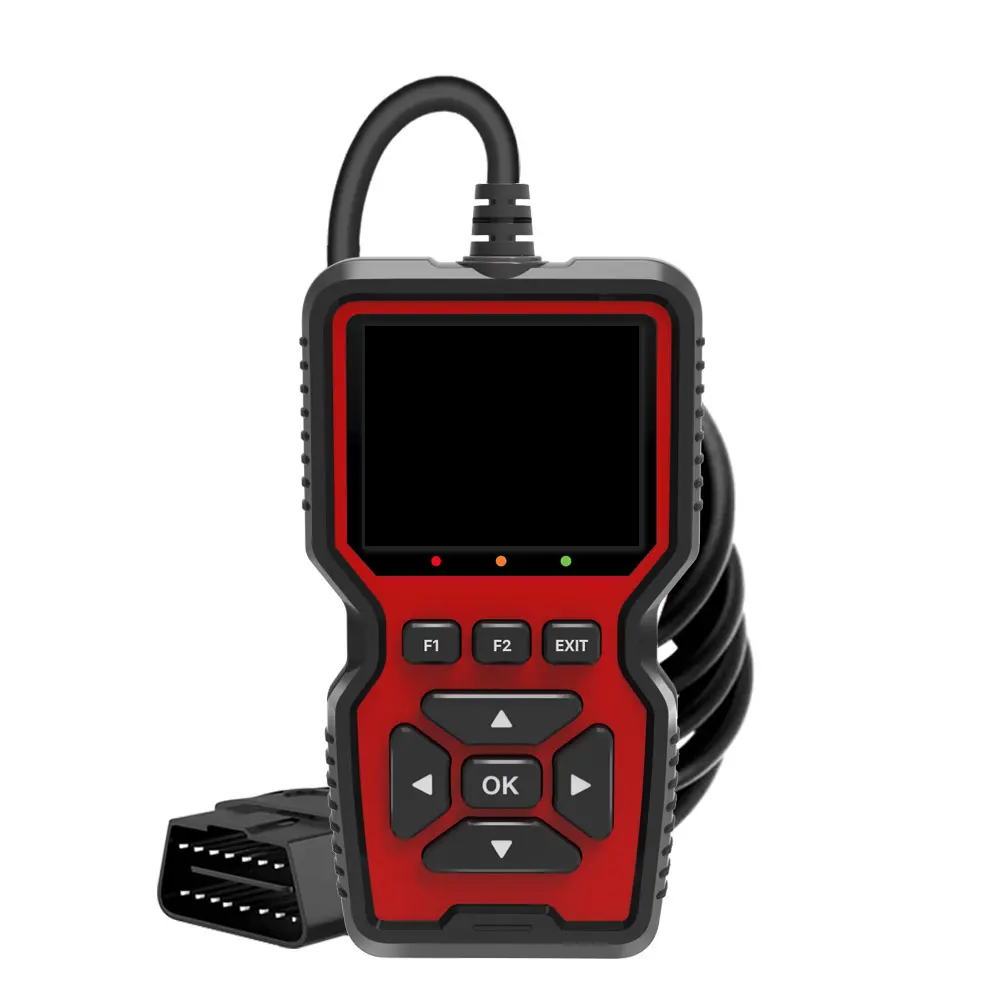
Diagnosis of P0092 requires a methodical approach utilizing an OBD-II scan tool and a Digital Multimeter (DMM).
- Visual Inspection: Begin by performing a thorough visual inspection of the Fuel Pressure Regulator 1 and its associated wiring harness. Look for any signs of physical damage, chafing, melted insulation, corrosion at connectors, or loose connections. Ensure the regulator itself is securely mounted and free from leaks.
- OBD-II Scan Tool Analysis:
- Connect an OBD-II scan tool and retrieve all stored DTCs, freeze frame data, and pending codes. Note any other related fuel system or engine performance codes.
- Clear the DTCs and observe if P0092 immediately returns.
- Monitor live data parameters such as Fuel Rail Pressure (FRP) sensor readings, commanded fuel pressure, and Fuel Pressure Regulator 1 duty cycle or current feedback. Look for erratic, illogical, or static readings that do not correlate with engine operation. Compare commanded versus actual fuel pressure values.
- If available, perform a functional test or bi-directional control of the Fuel Pressure Regulator 1 using the scan tool to observe its response and any changes in live data.
- Digital Multimeter (DMM) Testing (Key Off, Engine Off – KOEO unless otherwise specified):
- FPR Resistance Test: Disconnect the electrical connector from Fuel Pressure Regulator 1. Using a DMM set to ohms, measure the resistance across the two terminals of the regulator. Compare this reading to the manufacturer’s specifications (found in a service manual). An open circuit (infinite resistance) or a resistance value significantly outside the specified range indicates an internal fault with the regulator.
- Control Circuit Voltage Test: With the FPR connector disconnected, turn the ignition to the KOEO position. Identify the control wire(s) from the ECM. Using the DMM, measure the voltage between the control wire and a known good chassis ground. Depending on the circuit design, an open circuit or short to voltage could present battery voltage or a specific reference voltage on the control line. Document the readings and compare with service manual specifications.
- Wiring Harness Continuity and Short to Voltage/Ground Test:
- Disconnect the battery.
- Disconnect the electrical connector at Fuel Pressure Regulator 1 and the corresponding connector(s) at the ECM.
- Using the DMM set to ohms, test for continuity of the control circuit wire(s) between the FPR connector and the ECM connector. Resistance should be very low (typically less than 1 ohm).
- Test for shorts to ground: Place one DMM lead on the control circuit wire terminal at either connector and the other lead on a known good chassis ground. Resistance should be infinite (open circuit).
- Test for shorts to voltage (if applicable): Reconnect the battery. With all connectors still disconnected, measure voltage between the control wire and ground. This can identify a short to a power source within the harness.
- Ground Circuit Integrity: If the FPR is supplied with power and grounded by the ECM, verify the integrity of the ground circuit by checking continuity and resistance from the FPR connector’s ground pin to the ECM’s ground pin.
Recommended Repairs and Solutions
Based on the diagnostic findings, the following repairs are typically recommended:
- Replace Faulty Fuel Pressure Regulator 1: If the DMM resistance test indicated an internal fault (e.g., open circuit or incorrect resistance), replacing the Fuel Pressure Regulator 1 is the most common solution. Ensure to use an OEM-equivalent or genuine replacement part. Always depressurize the fuel system before working on fuel system components, especially high-pressure systems.
- Repair or Replace Wiring Harness: If diagnostic tests reveal a short to voltage, an open circuit, or excessive resistance within the wiring harness, the damaged section of the harness should be meticulously repaired or replaced. Use appropriate automotive-grade wiring, connectors, and heat-shrink tubing for durable repairs.
- Clean or Repair Corroded Connectors: If corrosion or poor terminal tension is identified at the FPR or ECM connectors, carefully clean the terminals using electrical contact cleaner and a terminal pick. If terminals are severely damaged, replace the connector or individual terminals.
- Address Ground Issues: If a poor ground connection was identified, repair or reinforce the ground circuit to ensure proper low resistance.
- ECM Replacement (Last Resort): Only consider replacing the ECM after all other potential causes have been thoroughly investigated and ruled out. ECM failures are rare, expensive, and often require programming to the vehicle. This should only be pursued when a definitive ECM internal driver fault has been isolated by a qualified technician.
After performing any repairs, clear the DTCs using an OBD-II scanner. Then, perform a comprehensive test drive under various engine loads and speeds to confirm the repair and ensure the P0092 code does not return. Continuously monitor live data related to fuel pressure and regulator control during the test drive to verify correct system operation.