What Does Code P0180 Mean?
The diagnostic trouble code P0180 signifies a “Fuel Temperature Sensor A Circuit Malfunction.” This code indicates that the Engine Control Module (ECM), also commonly referred to as the Powertrain Control Module (PCM), has detected an electrical anomaly within the circuit of the primary fuel temperature sensor, designated as “A.” The fuel temperature sensor is typically a Negative Temperature Coefficient (NTC) thermistor, which means its electrical resistance decreases as the fuel temperature increases. The ECM supplies a reference voltage (usually 5V) to this sensor and monitors the voltage drop across it, which correlates to the fuel’s temperature.
The ECM utilizes fuel temperature data as a critical input for calculating the precise fuel mass required for combustion. Colder fuel is denser than warmer fuel, and accurate temperature compensation is essential for maintaining optimal air-fuel ratios, ensuring efficient fuel atomization, and controlling evaporative emissions. When the ECM detects a voltage signal from the “A” circuit that is continuously outside its expected operational range (e.g., constant high voltage indicating an open circuit or short to ground, or constant low voltage indicating a short to voltage), is erratic, or fails to change plausibly with varying engine and ambient conditions, it will log the P0180 code. This malfunction can lead to incorrect fuel trim calculations, impacting engine performance, fuel economy, and exhaust emissions.
Common Symptoms
- Check Engine Light (MIL) Illumination: This is the most consistent and immediate symptom.
- Decreased Fuel Efficiency: The ECM may use a default fuel temperature value, leading to imprecise fuel delivery.
- Rough Idle or Poor Engine Performance: Including hesitation, stumbling, or reduced power output due to incorrect fuel mixture.
- Hard Starting: Especially noticeable in extreme ambient temperatures (cold or hot) as the ECM struggles to meter fuel accurately.
- Black Smoke from Exhaust: Particularly in diesel applications, indicating an over-rich condition from incorrect fuel density calculation.
- Increased Exhaust Emissions: Due to an imbalanced air-fuel ratio.
- Engine Running Rich or Lean: Detectable through fuel trim data on a scanner, even if no specific rich/lean codes are set.
- Intermittent Stalling: Under certain operating conditions where fuel metering is severely compromised.
What Causes the Code P0180?
- Faulty Fuel Temperature Sensor “A”: The sensor itself may have an internal open circuit, short circuit, or its resistance characteristics have drifted out of specification, providing inaccurate readings.
- Wiring Harness Issues: This includes an open circuit (break in wire), a short circuit to ground, or a short circuit to voltage within the signal, reference, or ground wires connecting the sensor to the ECM. Damage can occur from chafing, heat, rodent damage, or corrosion.
- Corroded or Damaged Sensor Connector: Poor pin tension, moisture intrusion, bent pins, or physical damage at the electrical connector for the fuel temperature sensor can disrupt the circuit integrity.
- ECM/PCM Failure: Although less common, an internal malfunction within the ECM that affects its ability to process the fuel temperature sensor signal or provide the necessary reference voltage can trigger this code.
How to Diagnose and Troubleshoot
A systematic diagnostic approach is crucial for accurately resolving P0180. The following steps should be performed:
- Preliminary Visual Inspection: Begin by thoroughly inspecting the fuel temperature sensor “A” and its electrical connector. Look for any signs of physical damage, corrosion, frayed wires, or loose connections. Trace the wiring harness from the sensor back towards the ECM, checking for any chafing, pinching, or breaks. Ensure the connector is fully seated and locked.
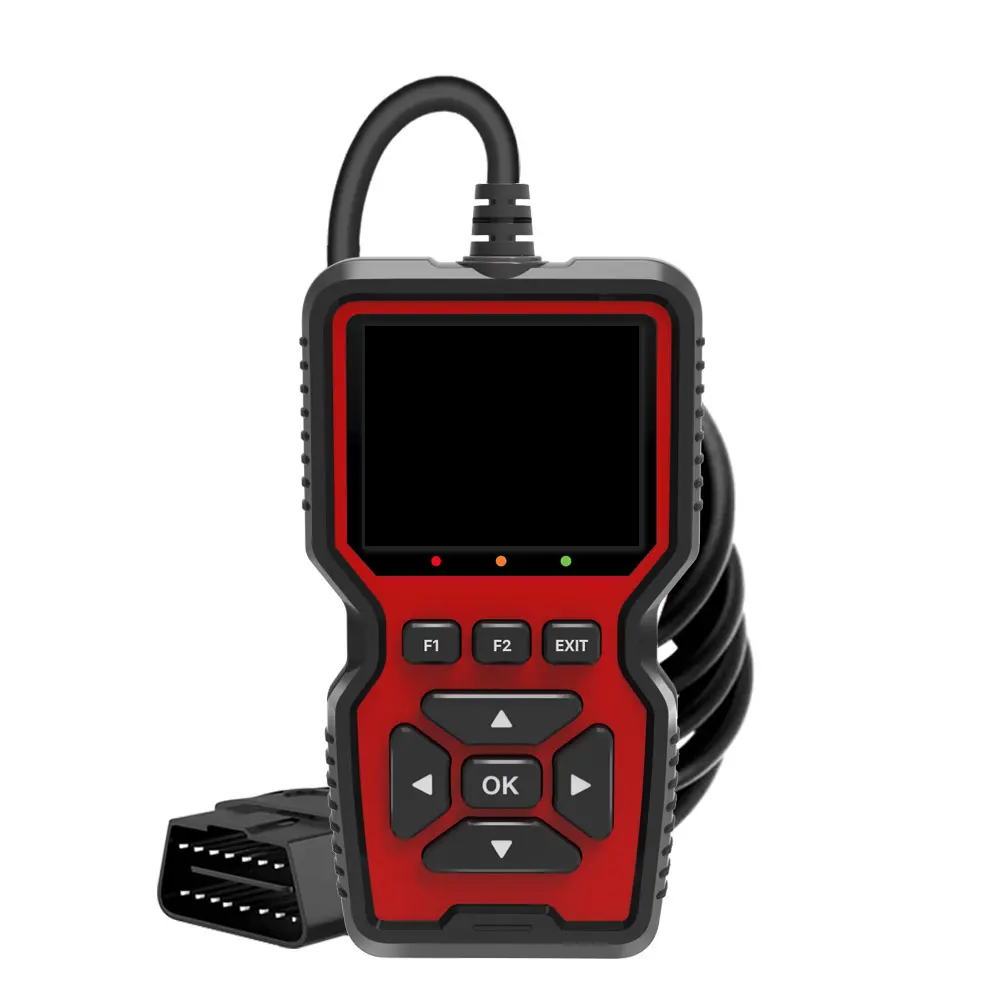
- Retrieve OBD-II Data: Connect an advanced OBD-II scanner. Retrieve all stored Diagnostic Trouble Codes (DTCs) and review freeze frame data, which captures engine parameters at the moment the code was set. Note any related codes (e.g., fuel pressure sensor codes, other temperature sensor codes) that might indicate a shared circuit issue.
- Monitor Live Data Stream: Access the live data stream for the “Fuel Temperature Sensor A” reading. With a cold engine (after a cold soak), the fuel temperature reading should be very close to the ambient air temperature and engine coolant temperature (if available). Start the engine and observe if the fuel temperature reading changes plausibly as the fuel warms up. If the reading is stuck at an extreme value (-40°C/-40°F or a maximum high value like 150°C/300°F), or shows no change, it strongly suggests an open circuit, short circuit, or sensor failure.
- Perform Electrical Circuit Testing (using a Digital Multimeter – DMM):
- Disconnect the Sensor Connector: Ensure the ignition is OFF before disconnecting.
- Check for Reference Voltage: With the ignition ON (engine OFF), use the DMM to measure voltage between the 5V reference wire terminal at the harness connector and a known good chassis ground. A reading of approximately 5V should be present.
- Check for Ground: Measure resistance between the sensor’s ground wire terminal at the harness connector and chassis ground. The reading should be very low (ideally less than 5 ohms), indicating a good ground connection.
- Test Sensor Resistance: Disconnect the sensor from the harness. Measure the resistance across the two terminals of the fuel temperature sensor itself using the DMM’s ohmmeter function. Compare this reading to the vehicle’s service manual specifications for various temperatures. For an NTC thermistor, resistance should decrease as the sensor is gently warmed (e.g., with a heat gun, keeping safety in mind). An infinite reading indicates an open circuit within the sensor; a near-zero reading indicates an internal short.
- Test Wiring Integrity: If reference voltage and ground are present at the connector, but the sensor reading remains problematic, test the signal wire for continuity between the sensor connector and the ECM harness connector. Also, check for shorts to ground and shorts to voltage within the signal wire. This often requires back-probing the ECM connector while it’s connected, or disconnecting it to test continuity.
- ECM Verification: If all sensor and wiring tests pass conclusively, yet the P0180 code persists, and no other related issues are present, the ECM itself might be faulty. This is a rare occurrence and should only be considered after exhaustive elimination of all other potential causes.
Recommended Repairs and Solutions
Based on the diagnostic findings, the following repairs are commonly indicated for a P0180 code:
- Replace the Fuel Temperature Sensor “A”: This is the most frequent repair if direct testing of the sensor reveals it to be out of specification, internally open, or shorted. Always use a high-quality OEM or reputable aftermarket replacement sensor to ensure proper function and longevity.
- Repair or Replace Damaged Wiring Harness: If DMM testing or visual inspection identifies an open circuit, short circuit, or damaged insulation in the wiring harness, repair the affected section. Utilize proper automotive wiring repair techniques, including soldering connections and sealing with heat-shrink tubing to prevent future corrosion or damage. In cases of extensive damage, replacing the entire harness pigtail or a section of the harness may be necessary.
- Clean or Replace Corroded/Damaged Connector: If the sensor connector itself is corroded or shows signs of poor pin tension, attempt to clean the pins thoroughly with an electrical contact cleaner and a small brush. If pins are severely corroded, bent, or broken, the connector body or a pigtail connector replacement is recommended. Ensure all connections are secure and weatherproof.
- ECM Replacement/Reprogramming: If all other components (sensor, wiring, and connectors) have been meticulously tested and confirmed to be in perfect working order, and the P0180 code persists, an ECM fault may be present. This is a complex and expensive repair that typically requires specialized programming tools and should only be undertaken after all other diagnostic avenues have been exhausted.
After completing any repair, clear the DTCs from the ECM using an OBD-II scanner. Perform a comprehensive test drive, monitoring the fuel temperature live data to confirm that the sensor is now providing accurate and plausible readings, and to ensure that the P0180 code does not return.