What Does Code P0238 Mean?
DTC P0238 signifies that the Engine Control Module (ECM) or Powertrain Control Module (PCM) has detected a voltage reading from the Turbocharger/Supercharger Boost Sensor “A” circuit that is consistently higher than the expected normal operating range. This sensor, often referred to as the Boost Pressure Sensor (BPS) or a dedicated Manifold Absolute Pressure (MAP) sensor in forced induction systems, is critical for monitoring the absolute pressure within the intake manifold. The ECM/PCM uses this data to precisely calculate engine load, optimize fuel delivery, control ignition timing, and manage turbocharger/supercharger boost pressure via wastegate or bypass valve actuators. A “Circuit High” condition typically indicates that the sensor’s signal voltage is at or near its maximum output, often at the 5-volt reference level, suggesting an open circuit, a short to voltage within the circuit, or an internal sensor malfunction that causes it to report an abnormally high pressure or an out-of-range electrical signal. This fault directly impacts the engine’s forced induction management system, leading to incorrect air-fuel ratio calculations and potential over-boosting or under-boosting conditions.
Common Symptoms
- Illuminated Check Engine Light (CEL): The most direct and common symptom.
- Reduced Engine Performance (Limp Mode): The ECM/PCM may enter a “limp-home” mode, significantly reducing engine power and boost to prevent damage.
- Poor Acceleration or Lag: Noticeable lack of power, especially under load.
- Rough Idling or Stalling: Incorrect air-fuel mixture due to erroneous pressure readings can disrupt idle stability.
- Increased Fuel Consumption: Inaccurate boost pressure data can lead to the ECM enriching the fuel mixture excessively.
- Black Smoke from Exhaust: Excessive fuel enrichment due to miscalculated air density can result in incomplete combustion.
- Audible Turbocharger/Supercharger Noise: While less direct, an uncontrolled boost condition could lead to unusual sounds from the turbo/supercharger or wastegate.
What Causes the Code P0238?
- Faulty Boost Pressure Sensor (BPS) / MAP Sensor: The most common cause, where the sensor itself has failed internally and is sending an abnormally high voltage signal to the ECM/PCM.
- Wiring Harness Issues:
- Short to Voltage: The signal wire for the sensor may be chafed or damaged, making contact with a positive voltage source (e.g., 12V B+), causing the ECM to read a constant high voltage.
- Open Circuit in Ground or Signal Wire: While “circuit high” often points to a short to voltage, a high resistance or open ground circuit could also lead to an artificially high signal, or an open signal wire could cause the PCM to default to a maximum voltage if it’s expecting a signal within a range.
- Corrosion or Loose Connections: Poor electrical contact at the sensor connector or the ECM/PCM connector can disrupt the signal integrity.
- Faulty Engine Control Module (ECM/PCM): Although rare, an internal malfunction within the ECM/PCM could cause it to misinterpret the sensor’s signal or fail to provide the correct reference voltage or ground to the sensor circuit.
- Aftermarket Modifications: Incorrectly installed or improperly calibrated aftermarket boost controllers or performance tunes can sometimes lead to out-of-range sensor readings.
How to Diagnose and Troubleshoot
Diagnosing P0238 requires methodical electrical circuit testing and data analysis:
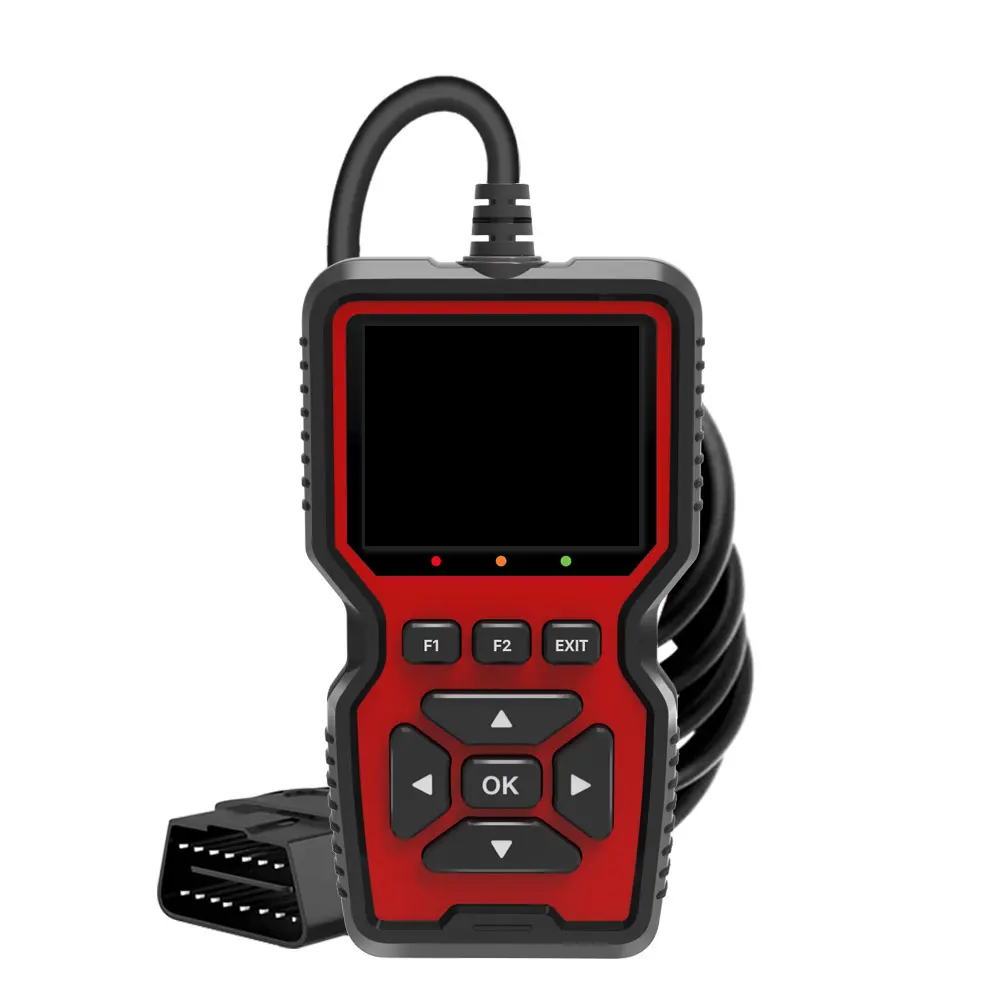
- Verify the Code and Check for Related DTCs: Use an OBD-II scanner to confirm P0238 and check for any other related codes, particularly those concerning sensor reference voltage or turbocharger/supercharger performance. Record freeze frame data for context.
- Monitor Live Data: With the scanner, monitor the live data stream for the Boost Pressure Sensor (BPS) or MAP sensor.
- With the key on, engine off (KOEO), the sensor should read approximately atmospheric pressure (around 100 kPa or 14.7 psi at sea level). If it reads significantly higher or is fixed at a maximum value (e.g., 255 kPa, or its equivalent voltage of 4.8-5V), the sensor or circuit is suspect.
- Observe the sensor’s voltage output. A “circuit high” condition will often show the voltage pegged at or near 5 volts, irrespective of actual manifold pressure.
- Visual Inspection:
- Locate the Boost Pressure Sensor (BPS) (typically on the intake manifold or charge pipe) and its electrical connector.
- Inspect the sensor and connector for physical damage, corrosion, bent pins, or signs of rodent damage.
- Carefully trace the wiring harness from the sensor back towards the ECM/PCM, looking for chafed wires, especially where they might short to a 12V power source, or signs of cuts/breaks.
- Electrical Circuit Testing (Digital Multimeter – DMM):
- Reference Voltage Check: With KOEO and the sensor connector disconnected, use a DMM to measure the voltage between the 5V reference wire and a known good ground. It should read approximately 5 volts. If it’s absent or significantly off, troubleshoot the reference voltage circuit from the ECM/PCM.
- Ground Circuit Check: Test for a good ground connection at the sensor connector using the DMM’s continuity function or by measuring voltage drop to a known good chassis ground. There should be continuity, and minimal voltage drop.
- Signal Wire Check (Disconnected Sensor): With the sensor disconnected and KOEO, check the signal wire at the harness connector for any residual voltage. It should ideally be close to 0V. If it shows 5V or 12V, this indicates a short to voltage in the wiring harness.
- Signal Wire Check (Connected Sensor – Backprobing): Backprobe the signal wire with the sensor connected and KOEO. Observe the voltage. It should be consistent with atmospheric pressure (e.g., 2.0-2.5V at sea level, consult service manual for exact spec). If it is pegged at 5V, the sensor is likely faulty.
- Sensor Testing (Bench or In-Situ if practical): If accessible, apply a known vacuum or pressure source to the sensor (using a hand vacuum/pressure pump) while monitoring its output voltage or resistance. Compare readings to manufacturer specifications. A faulty sensor will not respond linearly or will show an out-of-range output.
- ECM/PCM Diagnosis: Only if all sensor and wiring tests confirm their integrity, and you have exhausted all other possibilities, should the ECM/PCM be considered faulty. This is rare for a “circuit high” code and typically requires specialized diagnostic equipment.
Recommended Repairs and Solutions
Once the root cause of P0238 is accurately identified, the following repairs are typically performed:
- Replace the Boost Pressure Sensor (BPS) / MAP Sensor: If testing confirms the sensor is faulty, replace it with a new, OEM-quality part. Ensure the new sensor’s part number matches the original for proper operation.
- Repair or Replace Damaged Wiring Harness: If a short to voltage, open circuit, or corrosion in the wiring harness is found, meticulously repair the damaged section. Use appropriate gauge wire, solder connections, and apply heat-shrink tubing for durability and weather resistance. For severely damaged sections, consider replacing the entire harness segment.
- Clean Electrical Connectors: If corrosion or poor contact is identified at the sensor or ECM/PCM connectors, clean the pins thoroughly with electrical contact cleaner and apply dielectric grease to prevent future issues.
- ECM/PCM Replacement or Reprogramming: If the ECM/PCM is definitively diagnosed as faulty, it will need to be replaced and potentially reprogrammed to the vehicle. This should be a last resort after ruling out all other components and typically requires dealership-level tools.
- Clear DTCs and Test Drive: After any repair, use an OBD-II scanner to clear the P0238 DTC and any related codes. Perform a comprehensive test drive under varying engine loads and speeds to confirm the repair and ensure the code does not return. Monitor live data during the test drive to verify correct sensor operation.
Expert Mechanic’s Tip: When diagnosing “circuit high” conditions, always prioritize looking for short-to-voltage scenarios in the wiring before condemning the sensor or ECM/PCM. A common mistake is to replace a sensor when a simple wire repair would have resolved the issue. Always double-check your reference voltage and ground circuits, as these foundational electrical supplies are critical for proper sensor operation. Verify the sensor’s voltage output against a known good value for your specific vehicle at atmospheric pressure (KOEO) to quickly identify if the sensor itself is sending an errant high signal.