What Does Code P0304 Mean?
The OBD-II diagnostic trouble code P0304 signifies that the vehicle’s Engine Control Module (ECM), often referred to as the Powertrain Control Module (PCM), has detected a misfire condition specifically within cylinder number 4. A misfire occurs when an insufficient or incomplete combustion event takes place in one of the engine’s cylinders. The ECM monitors crankshaft rotational speed and acceleration through the Crankshaft Position (CKP) sensor. During normal operation, each firing cylinder contributes a measurable acceleration to the crankshaft. When a cylinder misfires, this expected acceleration is absent or significantly reduced. The ECM, utilizing input from the Camshaft Position (CMP) sensor for cylinder identification, attributes this rotational irregularity to a specific cylinder. If these irregularities exceed a calibrated threshold over a specific number of engine revolutions (typically two consecutive drive cycles or a severe misfire event on a single drive cycle), the ECM illuminates the Check Engine Light (CEL). A rapidly flashing CEL indicates a severe misfire condition that could lead to catalytic converter damage due to unburnt fuel entering the exhaust system and overheating the catalyst.
Common Symptoms
- Illuminated or flashing Check Engine Light (CEL).
- Rough engine idle or noticeable vibrations throughout the vehicle.
- Reduced engine power and acceleration.
- Engine hesitation, stumbling, or surging during operation.
- Decreased fuel efficiency.
- Unusual exhaust smell, often described as a rich, raw fuel odor.
- Difficulty starting the engine (in severe cases).
- Engine noises such as ticking or knocking, especially if related to internal engine damage.
What Causes the Code P0304?
- Ignition System Malfunction:
- Faulty, worn, or incorrectly gapped spark plug for cylinder 4.
- Defective ignition coil (e.g., coil-on-plug or a faulty lead within a coil pack) for cylinder 4.
- Damaged or degraded spark plug wire/boot for cylinder 4 (if applicable).
- Fuel System Malfunction:
- Clogged, dirty, or malfunctioning fuel injector for cylinder 4.
- Insufficient fuel pressure at the rail (though less likely to be cylinder-specific unless exacerbated by injector issue).
- Contaminated or incorrect fuel type.
- Air/Vacuum System Issues:
- Vacuum leak affecting cylinder 4 (e.g., intake manifold gasket leak, PCV system leak near cylinder 4).
- Restricted intake runner or port for cylinder 4.
- Engine Mechanical Issues:
- Low compression in cylinder 4 due to worn piston rings, damaged cylinder walls, or burnt/stuck valves.
- Damaged cylinder head gasket affecting cylinder 4.
- Incorrect valve timing for cylinder 4 (e.g., worn camshaft lobe, timing chain/belt slippage).
- Electrical/Wiring Issues:
- Damaged, corroded, or open circuit wiring to the ignition coil or fuel injector for cylinder 4.
- Faulty connector for the ignition coil or fuel injector for cylinder 4.
- Engine Control Module (ECM/PCM) Failure:
- Internal ECM malfunction affecting the control circuit for cylinder 4 (rare, but possible).
How to Diagnose and Troubleshoot
A systematic diagnostic approach is crucial for accurately identifying the root cause of a P0304 code:
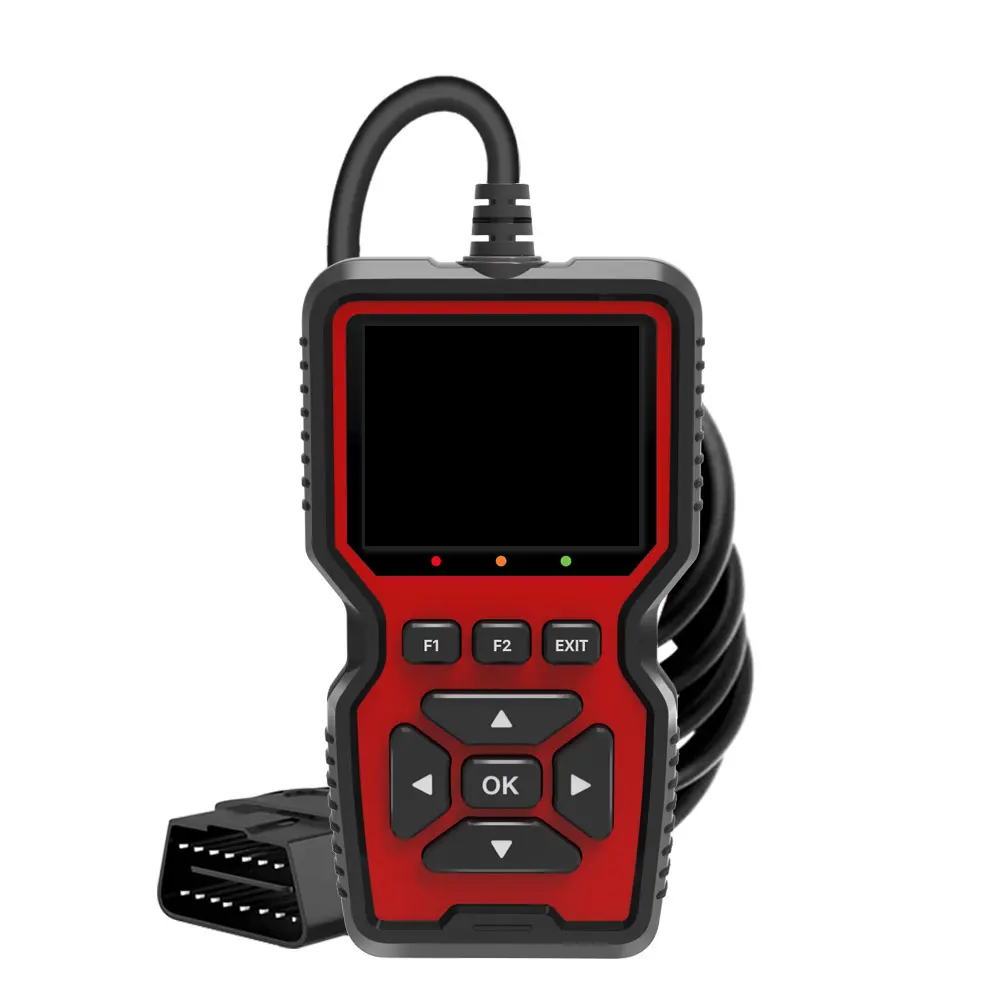
- Initial Scan & Freeze Frame Data Analysis: Connect an OBD-II scanner. Record the P0304 code and any other stored or pending Diagnostic Trouble Codes (DTCs). Critically, analyze the freeze frame data. This snapshot of engine conditions (RPM, engine load, coolant temperature, vehicle speed) at the moment the code was set can provide valuable context for recreating the fault.
- Check for Additional Codes: Examine for other misfire codes (P030X for other cylinders), fuel trim codes (P0171/P0174), or specific injector/coil circuit codes (P02XX, P035X). Multiple related codes can indicate a broader system issue.
- Live Data Monitoring (Misfire Counters): Using an advanced OBD-II scanner capable of displaying live data, monitor individual cylinder misfire counts. Confirm that cylinder 4 is consistently showing significantly higher misfires compared to other cylinders. This validates the P0304 code and helps rule out false detections.
- Visual Inspection:
- Inspect cylinder 4’s ignition coil, spark plug, and spark plug wire (if applicable) for obvious signs of damage, arcing, carbon tracking, or oil fouling.
- Check the wiring and connectors for the ignition coil and fuel injector on cylinder 4 for fraying, corrosion, or looseness.
- Inspect the intake manifold and vacuum lines around cylinder 4 for potential vacuum leaks, using a smoke machine if available for more thorough detection.
- Component Swap Test (Spark & Fuel):
- Ignition Coil: Swap the cylinder 4 ignition coil with a known good coil from another cylinder (e.g., cylinder 1). Clear the codes and run the engine. If the misfire shifts to cylinder 1 (P0301), the original cylinder 4 coil is faulty.
- Spark Plug: Similarly, swap the cylinder 4 spark plug with one from a healthy cylinder. If the misfire follows the spark plug, replace the plug. Inspect the removed plug for fouling, wear, or damage.
- Fuel Injector: If suspicion falls on the fuel injector, carefully swap cylinder 4’s injector with an injector from another cylinder. This typically requires specialized tools and new injector seals. If the misfire moves, the injector is faulty.
- Ignition System Testing (DMM/Spark Tester):
- With the engine off, use a Digital Multimeter (DMM) to check the primary and secondary resistance of the cylinder 4 ignition coil, comparing values to manufacturer specifications and other coils.
- Use a dedicated spark tester to verify a strong, consistent spark at cylinder 4. Avoid simply grounding the spark plug, as this can damage sensitive ignition modules.
- Fuel Injector Testing (Noid Light/DMM):
- Use a noid light at the cylinder 4 fuel injector connector to verify proper pulse from the ECM during cranking or running.
- Measure the resistance of the cylinder 4 fuel injector with a DMM and compare it to specifications and other injectors. A significant deviation indicates an internal fault.
- Use a mechanic’s stethoscope to listen for the distinctive clicking sound of the injector firing.
- Compression Test: Perform both dry and wet compression tests on cylinder 4. Compare readings to manufacturer specifications and other cylinders. A significant drop (typically more than 10-15% variance) indicates a mechanical issue such as worn rings, damaged valves, or a blown head gasket.
- Cylinder Leak-Down Test: For more precise mechanical diagnosis, a leak-down test will pinpoint whether compression loss is due to valves (listen at intake/exhaust), piston rings (listen at oil filler/dipstick), or head gasket (listen at radiator/adjacent cylinders).
- Engine Wiring Integrity: Perform continuity and resistance checks on the wiring harness for the cylinder 4 ignition coil and fuel injector back to the ECM connector. Look for opens, shorts, or high resistance.
Recommended Repairs and Solutions
Repairs for P0304 are directly dependent on the diagnostic findings:
- Spark Plug Replacement: If the spark plug for cylinder 4 is fouled, worn, or damaged, replace it. It is often recommended to replace all spark plugs as a set, especially if they are due for maintenance. Ensure correct gap.
- Ignition Coil Replacement: If the ignition coil for cylinder 4 is determined to be faulty, replace it. For vehicles with coil-on-plug systems, it may be prudent to replace all coils if they are original and high mileage.
- Spark Plug Wire/Boot Replacement: If the spark plug wire or boot for cylinder 4 is compromised, replace it. Consider replacing the full set if age or condition warrants it.
- Fuel Injector Replacement: If the cylinder 4 fuel injector is clogged or electrically faulty, replace it. Always use new O-rings and seals during installation to prevent fuel leaks.
- Vacuum Leak Repair: Locate and repair any vacuum leaks. This may involve replacing intake manifold gaskets, PCV hoses, or other vacuum lines.
- Engine Mechanical Repair: If compression or leak-down tests indicate internal engine damage, repairs can range from valve servicing (e.g., valve replacement, seat grinding) to piston ring replacement or head gasket replacement. These are typically more involved and costly repairs.
- Wiring Repair: Repair or replace any damaged wiring or connectors leading to the ignition coil or fuel injector for cylinder 4. Ensure secure and corrosion-free connections.
- ECM/PCM Replacement: Only consider ECM replacement as a last resort, after all other potential causes have been thoroughly investigated and ruled out. This typically requires professional programming and calibration.
Important Mechanics’ Tips:
- Always consult the vehicle’s service manual for specific component testing procedures, resistance values, and torque specifications.
- When replacing components like spark plugs, coils, or injectors, consider using Original Equipment Manufacturer (OEM) parts or high-quality aftermarket equivalents to ensure optimal performance and longevity.
- After completing repairs, clear the DTCs from the ECM and perform a comprehensive drive cycle to ensure the misfire is resolved and the readiness monitors reset.
- For vehicles with significant mileage, if one ignition component (coil, plug, wire) fails, consider preventative replacement of the others, especially if they are original, as they may be nearing the end of their service life.