What Does Code P0344 Mean?
DTC P0344 indicates that the Engine Control Module (ECM), also known as the Powertrain Control Module (PCM), has detected an intermittent electrical signal from the Camshaft Position (CMP) sensor circuit. The CMP sensor is a critical component responsible for monitoring the rotational speed and position of the camshaft, providing data essential for precise fuel injection timing, ignition timing, and the operation of Variable Valve Timing (VVT) or Variable Valve Lift (VVL) systems. The ECM uses this data, often in conjunction with the Crankshaft Position (CKP) sensor signal, to determine the exact position of the engine’s camshafts relative to the crankshaft. An “intermittent” circuit fault signifies that the sensor’s signal is not consistently reliable; it may drop out, become erratic, noisy, or fall outside expected parameters for short, irregular periods, rather than being a complete open circuit or continuous short. The ECM sets P0344 when it detects these transient inconsistencies in the CMP signal, often after comparing it against the CKP signal for correlation and integrity over a specific number of engine revolutions or during particular operating conditions.
Common Symptoms
- Extended Crank Time or Hard Starting: The engine may take longer to start, especially when warm, as the ECM struggles to synchronize ignition and fuel delivery without a reliable CMP signal.
- Intermittent Stalling: The engine may unexpectedly stall, particularly at idle or low speeds, due to loss of critical timing information.
- Rough Idling or Poor Engine Performance: Noticeable hesitation, reduced power, or a general lack of engine smoothness during acceleration or steady-state driving.
- Check Engine Light (CEL) Illumination: The Malfunction Indicator Lamp (MIL) will be illuminated, and in some severe cases, it may flash if misfires are occurring due to timing issues.
- Reduced Fuel Economy: Inconsistent timing can lead to inefficient combustion and increased fuel consumption.
- Engine Entering “Limp Home” Mode: The ECM may restrict engine performance to prevent potential damage, limiting RPMs or vehicle speed.
- Accompanying Misfire Codes: P030x codes (e.g., P0301, P0302) may be present if the intermittent CMP signal leads to misfires.
What Causes the Code P0344?
- Faulty Camshaft Position Sensor (CMP): The sensor itself may have an internal electrical fault, leading to intermittent signal output, often exacerbated by heat or vibration.
- Intermittent Wiring Harness Issues: Frayed, chafed, or broken wires within the CMP sensor circuit, particularly near connectors or where the harness routes around moving parts or sharp edges.
- Loose or Corroded Electrical Connections: Poor terminal tension, corrosion, or bent pins within the CMP sensor connector or the ECM connector can cause transient signal loss.
- Damaged Reluctor Wheel/Tone Ring: A bent, missing, or damaged tooth on the camshaft reluctor wheel (the component the CMP sensor reads) can cause an inconsistent or erratic signal. Debris adhering to the reluctor wheel can also interfere.
- Excessive Electromagnetic Interference (EMI): Poorly shielded CMP sensor wiring, or its proximity to high-current components like ignition coils or alternator, can introduce electrical noise that the ECM interprets as an intermittent signal fault.
- ECM/PCM Internal Failure: While less common, an internal fault within the ECM/PCM affecting its ability to correctly process or interpret the CMP signal can cause this code.
How to Diagnose and Troubleshoot
Diagnosis of an intermittent fault requires methodical testing, often under varying conditions that might trigger the fault.
- Initial Scan Tool Diagnosis:
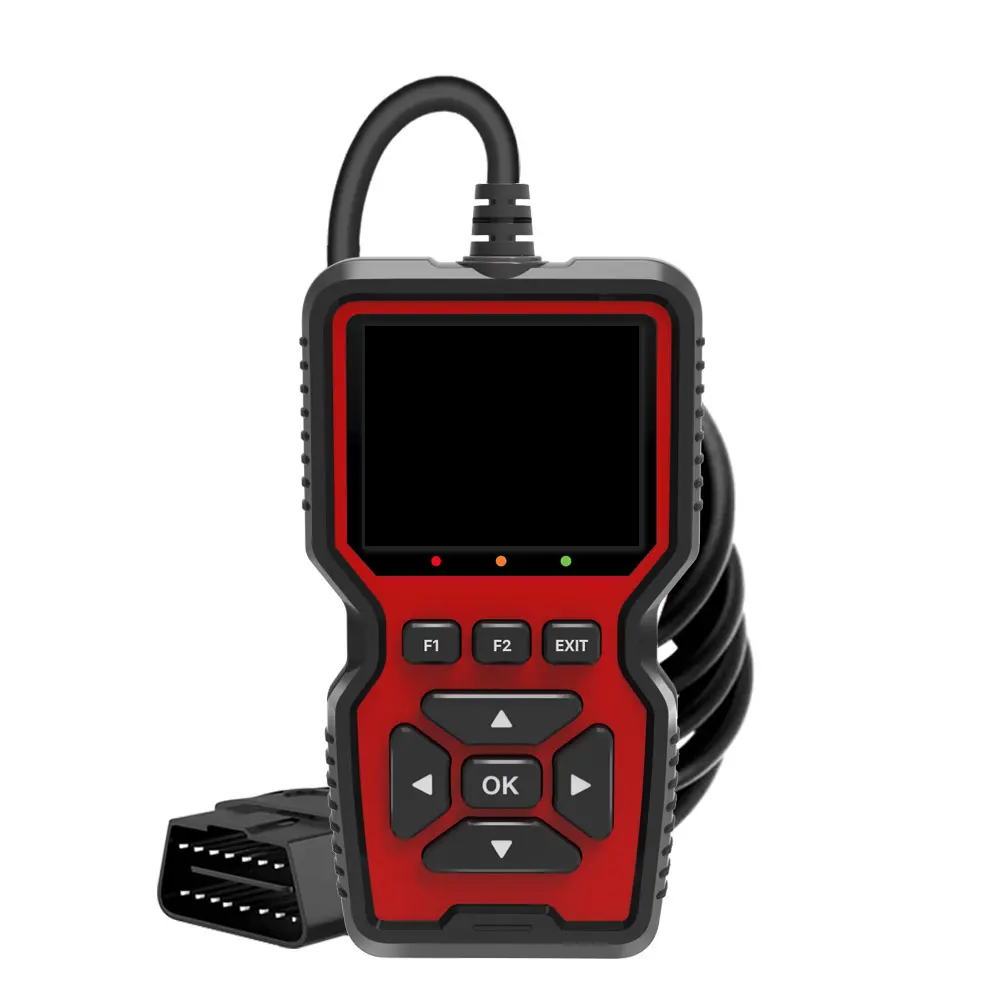
- Connect an OBD-II scanner to confirm P0344.
- Check for any other related DTCs (e.g., misfire codes, other CMP/CKP codes).
- Analyze freeze frame data to identify engine conditions (RPM, engine load, temperature, vehicle speed) when the code was set. This can help replicate the fault.
- Monitor live data for the CMP and CKP sensor signals. While a DMM shows average voltage, an oscilloscope is crucial here for observing waveform integrity. Look for dropouts or erratic patterns in the CMP signal during cranking, idle, and simulated driving conditions.
- Visual Inspection:
- Carefully inspect the CMP sensor and its electrical connector for physical damage, corrosion, bent pins, or signs of oil intrusion.
- Examine the entire wiring harness leading from the CMP sensor to the ECM. Look for chafing, cuts, signs of rodent damage, or areas where the harness might be pinched or rubbing. Wiggle the harness while monitoring live data for changes.
- Inspect engine grounds for cleanliness and secure connections.
- Electrical Testing (Using a Digital Multimeter – DMM, and preferably an Oscilloscope):
- Power and Ground: With the ignition ON (engine OFF), use a DMM to verify proper reference voltage (typically 5V or 12V, depending on the sensor type) and a solid ground at the CMP sensor connector terminals. Test both with the connector plugged in (back-probing) and unplugged.
- Signal Circuit Continuity and Shorts: Disconnect the battery and both the CMP sensor and ECM connectors. Use a DMM to check for continuity of the signal wire from the CMP connector to the ECM connector. Also, check for shorts to ground or power on the signal wire.
- Sensor Resistance (if applicable): For older inductive CMP sensors, measure the internal resistance of the sensor. Compare to manufacturer specifications. Note: Hall-effect sensors cannot be reliably tested this way.
- Oscilloscope Waveform Analysis: This is the most effective method for intermittent faults. Connect an oscilloscope to the CMP signal wire (and ideally the CKP signal wire for comparison). Start and run the engine, monitoring the waveform for dropouts, noise spikes, or erratic signal patterns. Gently flex and wiggle the wiring harness at various points, especially near the sensor and ECM, while observing the waveform. Compare the CMP waveform to the CKP waveform to ensure proper correlation and signal integrity.
- Reluctor Wheel Inspection: If the CMP sensor and wiring test good, remove the CMP sensor and carefully inspect the camshaft reluctor wheel (tone ring) that the sensor reads. Look for any bent, missing, or damaged teeth, or excessive debris that could interfere with the sensor’s signal. This may require additional disassembly (e.g., valve cover removal).
- ECM Pin-out Test: As a final check, if all other components are verified good, perform pin-out tests at the ECM connector for the CMP circuit to ensure the signal is correctly reaching the module.
Recommended Repairs and Solutions
Once the root cause of the intermittent P0344 code has been identified through thorough diagnosis, the following repairs are typically recommended:
- Repair or Replace Wiring and Connectors: If visual inspection or electrical tests confirm damaged, corroded, or loose wiring/connectors, perform precise repairs. Use high-quality automotive-grade wiring, proper soldering techniques, and heat-shrink tubing for any splices. If a connector is compromised, replace the entire connector assembly. Ensure all terminals have adequate tension.
- Replace Camshaft Position Sensor (CMP): If the CMP sensor itself is found to be faulty (e.g., erratic signal on oscilloscope, out-of-spec resistance, or no output when power/ground are confirmed good), replace it with a new, high-quality OEM or equivalent aftermarket unit. Ensure correct installation, including proper indexing and sealing.
- Address Reluctor Wheel Damage: If the reluctor wheel (tone ring) on the camshaft is determined to be damaged, bent, or obstructed, it must be repaired or replaced. This often requires significant engine disassembly, such as removing the camshaft or timing components. Clear any debris found on the reluctor wheel.
- ECM/PCM Replacement (Rare): Only consider ECM/PCM replacement as an absolute last resort, after meticulously ruling out all other possibilities, including wiring integrity and sensor function. This typically requires specialized diagnostic equipment for programming and adaptation to the vehicle.
After any repair, clear the DTCs from the ECM using an OBD-II scanner. Perform multiple comprehensive drive cycles under varying engine loads and temperatures, especially replicating the conditions recorded in the freeze frame data, to confirm that the P0344 code does not return and that the CMP signal is stable and consistent in live data.