What Does Code P0506 Mean?
DTC P0506 signifies that the Engine Control Module (ECM), also commonly referred to as the Powertrain Control Module (PCM), has detected that the engine’s actual idle speed is consistently lower than its calculated target idle speed. The ECM meticulously monitors engine RPM primarily through signals from the crankshaft position sensor (CKP) and camshaft position sensor(s) (CMP). It uses an intricate algorithm, factoring in various parameters such as engine coolant temperature, intake air temperature, vehicle speed, electrical load, A/C compressor status, and transmission gear, to determine the optimal target idle RPM for smooth engine operation and emissions control. When the actual engine RPM falls below this calculated target by a predetermined threshold (typically 50-100 RPM below) for a specified duration, the ECM illuminates the Check Engine Light (CEL) and stores the P0506 diagnostic trouble code. This indicates a malfunction within the engine’s idle air control system, preventing the engine from maintaining its desired base idle speed.
Common Symptoms
- Rough Idle: The engine may feel like it is shaking or vibrating more than usual while idling.
- Engine Stalling: The engine may stall frequently, especially when coming to a stop, during deceleration, or when the transmission engages a load.
- Reduced Engine Performance: While less common for P0506 directly, underlying causes such as severe vacuum leaks or fuel delivery issues can indirectly lead to a noticeable decrease in power or sluggish acceleration.
- Check Engine Light (CEL) Illumination: The primary indicator that the ECM has detected a fault.
- Difficulty Starting: In severe cases where the idle is extremely low, the engine may struggle to start or require throttle input to keep running after startup.
What Causes the Code P0506?
- Faulty Idle Air Control (IAC) Valve: A common culprit, where the valve may be stuck, carbon-fouled, or electrically defective, preventing the ECM from accurately regulating idle air flow.
- Vacuum Leaks: Unmetered air entering the intake system past the mass air flow (MAF) sensor can lean out the air-fuel mixture, causing the engine to struggle at idle. Common sources include cracked vacuum hoses, intake manifold gaskets, PCV valve/hoses, brake booster diaphragm, or EGR valve gaskets.
- Dirty or Faulty Electronic Throttle Body (ETB/ETC): Carbon buildup around the throttle plate can prevent it from fully closing, disturbing proper idle air flow. A faulty throttle position sensor (TPS) or throttle actuator motor within the ETB on drive-by-wire systems can also cause incorrect idle control.
- Low Engine Compression: Mechanical issues such as worn piston rings, burnt valves, or a leaking head gasket can lead to reduced combustion efficiency and an inherently lower engine speed, especially at idle.
- Restricted Air Intake System: A severely clogged air filter or an obstruction in the intake ducting can limit the air supply to the engine, reducing idle RPM.
- Fuel Delivery Issues: Problems such as clogged fuel injectors, a weak fuel pump, or a restricted fuel filter can cause a lean condition that lowers engine speed.
- Exhaust System Restriction: A partially clogged catalytic converter or muffler can create excessive back pressure, hindering the engine’s ability to maintain proper idle speed.
- Faulty Engine Coolant Temperature Sensor (ECTS): An incorrect ECTS reading can lead the ECM to miscalculate the required idle RPM, especially during cold starts.
- Faulty Manifold Absolute Pressure (MAP) Sensor: Inaccurate MAP readings can cause incorrect fuel trim adjustments and disrupt idle air control.
- ECM/PCM Malfunction: While rare, an internal fault within the ECM/PCM itself can lead to incorrect idle control logic or component driver issues.
How to Diagnose and Troubleshoot
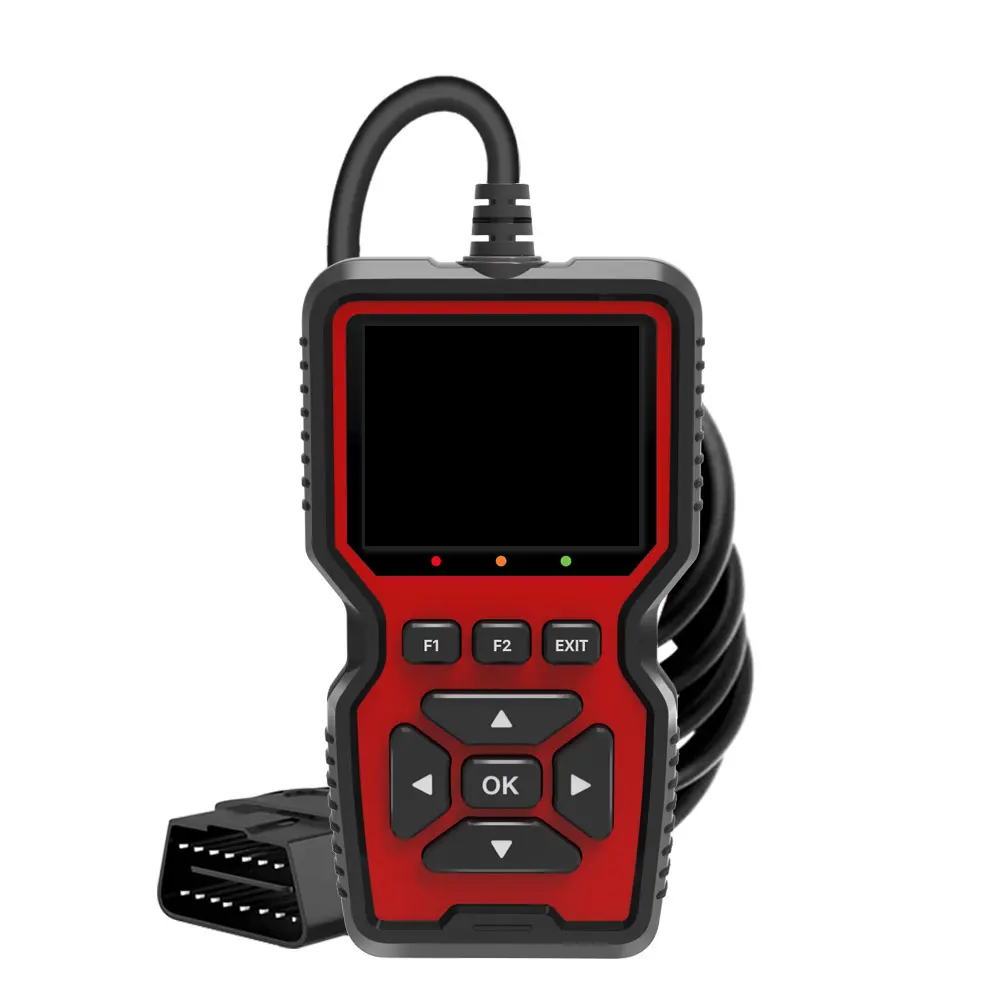
Diagnosing P0506 requires a systematic approach, leveraging an OBD-II scanner, a digital multimeter (DMM), and thorough visual inspection.
- Initial Scan and Freeze Frame Data Analysis: Connect an OBD-II scanner and retrieve the P0506 code. Crucially, review the freeze frame data. This snapshot of engine conditions (RPM, engine load, fuel trims, coolant temperature, throttle position, vehicle speed) when the code was set provides invaluable clues. Clear the code and observe if it returns immediately or after certain driving conditions.
- Comprehensive Visual Inspection:
- Carefully inspect all visible vacuum hoses, PCV valve, and associated lines for cracks, disconnections, or dry rot. Pay close attention to areas near the intake manifold and throttle body.
- Examine the intake manifold gaskets for any signs of oil seepage or evidence of vacuum leaks.
- Check the air filter for severe clogging or obstructions.
- Inspect the electrical connector and wiring for the IAC valve (if applicable) or the electronic throttle body for damage, corrosion, or loose connections.
- Vacuum Leak Detection:
- Utilize a smoke machine to introduce smoke into the intake system. Observe for smoke escaping from any hoses, gaskets, or the throttle body area, which indicates a leak.
- Alternatively, carefully spray unlit propane or carburetor cleaner around suspected vacuum leak areas while monitoring short-term fuel trim (STFT) values on your OBD-II scanner. A sudden decrease in STFT (indicating the ECM is pulling fuel to compensate for a richer mixture) signifies that the propellant was ingested through a leak.
- Idle Air Control (IAC) Valve / Electronic Throttle Body (ETB) Inspection:
- For IAC-equipped vehicles: Remove the IAC valve and inspect for excessive carbon buildup on the pintle and bore. Clean thoroughly with a dedicated throttle body cleaner. Test the resistance across the IAC valve terminals using a DMM; compare readings to manufacturer specifications in the service manual. With a bidirectional scanner, attempt to command the IAC valve open and closed while monitoring RPM changes.
- For Electronic Throttle Body (Drive-by-Wire) systems: Remove the air intake tube and visually inspect the throttle plate and bore for heavy carbon buildup. Clean thoroughly using a non-residue throttle body cleaner. Avoid manually forcing the throttle plate open. With the ignition ON (engine OFF), monitor the Throttle Position Sensor (TPS) percentage on the scanner as the accelerator pedal is slowly depressed and released; the readings should be smooth and consistent without dropouts. Check for excessive play in the throttle plate shaft.
- Sensor Verification (Live Data & DMM):
- Engine Coolant Temperature Sensor (ECTS): Monitor the ECTS reading on the scanner. Compare it to ambient air temperature when the engine is cold. The reading should increase smoothly as the engine warms up. Check resistance with a DMM across the sensor terminals and compare to a temperature-resistance chart in the service manual.
- Manifold Absolute Pressure (MAP) Sensor: Monitor live MAP sensor voltage or pressure readings on the scanner. At idle, the MAP reading should be stable and within specified ranges (typically 1.5-2.5V or 0.5-1.0 BAR pressure). Compare to the Barometric Pressure (BARO) sensor reading (if available) with the key on, engine off.
- Oxygen (O2) Sensors: Monitor live O2 sensor voltages and fuel trim (STFT & LTFT) data. Excessive positive fuel trims at idle (+10% or more) indicate a lean condition, often caused by vacuum leaks or fuel delivery issues.
- Fuel System Integrity Check: Perform a fuel pressure test at the fuel rail using a pressure gauge. Compare readings to manufacturer specifications at idle and under load to rule out a weak fuel pump or restricted fuel filter.
- Engine Compression Test: If all other diagnostics yield no conclusive results, perform a dry and wet cylinder compression test. Inconsistent or low compression readings across cylinders indicate internal engine wear or damage that could lead to reduced idle RPM.
Recommended Repairs and Solutions
Once the root cause of P0506 has been accurately identified, implementing the correct repair is crucial for restoring proper engine idle and preventing recurrence.
- Clean or Replace IAC Valve: If the Idle Air Control (IAC) valve is found to be carbon-fouled, a thorough cleaning with a throttle body cleaner can often restore its function. If the valve exhibits electrical failure (e.g., incorrect resistance, no movement during active testing), replacement is necessary. After cleaning or replacement, it’s often beneficial to perform an idle relearn procedure, if specified by the manufacturer.
- Repair Vacuum Leaks: Replace any cracked, brittle, or disconnected vacuum hoses, PCV valve, or intake manifold gaskets identified during the smoke test or propane/carb cleaner test. Ensure all air intake components are properly sealed.
- Clean or Replace Electronic Throttle Body (ETB): For drive-by-wire systems, thoroughly clean any carbon buildup from the throttle plate and bore using a specialized throttle body cleaner. If the internal throttle actuator motor or Throttle Position Sensor (TPS) is confirmed faulty, the entire electronic throttle body assembly typically needs replacement. A critical step after cleaning or replacing an ETB is to perform a throttle body relearn procedure (sometimes called “idle relearn” or “throttle body calibration”) using an appropriate scan tool, as failure to do so can result in continued idle issues or other DTCs.
- Replace Restricted Air Filter: If the air filter is severely clogged, simply replacing it can resolve air restriction issues.
- Address Fuel System Deficiencies: If fuel pressure is low, inspect and potentially replace the fuel filter. If fuel injectors are suspected of being clogged, consider professional injector cleaning or replacement. A weak fuel pump will necessitate replacement.
- Replace Faulty Sensors: If the Coolant Temperature Sensor (ECTS), Manifold Absolute Pressure (MAP) sensor, or Oxygen (O2) sensors are confirmed to be providing inaccurate data or are non-functional, replace them with OEM-equivalent parts.
- Internal Engine Repair: If low compression is diagnosed, this points to significant internal engine wear or damage (e.g., worn piston rings, damaged valves, head gasket failure). Addressing these issues typically involves a major engine overhaul, cylinder head service, or potentially engine replacement, which are complex and costly repairs. This should be confirmed only after ruling out all simpler causes.
- ECM/PCM Reprogramming or Replacement: In very rare instances, if all other components and systems have been thoroughly tested and confirmed to be functioning correctly, an ECM/PCM fault might be considered. This could involve a software update (reprogramming) or, as a last resort, replacement of the control module. This process requires specialized diagnostic equipment and should only be performed by a qualified technician.