What Does Code P0740 Mean?
The diagnostic trouble code P0740 signifies a detected malfunction within the Torque Converter Clutch (TCC) circuit. This code is set by the Powertrain Control Module (PCM), or in some architectures, the Transmission Control Module (TCM), when it identifies an electrical or performance anomaly in the circuit responsible for controlling the torque converter clutch. The TCC is designed to create a direct mechanical link between the engine and the transmission at specific speeds and loads, effectively bypassing the fluid coupling of the torque converter. This lock-up mechanism significantly reduces slippage, improving fuel economy and reducing transmission heat. The PCM monitors various parameters, including engine RPM, transmission input shaft RPM, vehicle speed, and TCC solenoid current/voltage. When the PCM commands the TCC to engage, it expects to see a specific reduction in engine RPM relative to transmission input shaft RPM (i.e., minimal slip). If the PCM detects that the TCC is unable to engage or disengage correctly, or if there’s an electrical open, short, or out-of-range resistance within the TCC control circuit, P0740 will be stored, and the Malfunction Indicator Lamp (MIL) will illuminate.
Common Symptoms
- Increased Fuel Consumption: Without the TCC locking up, the engine continuously operates through the fluid coupling, leading to more slippage and reduced efficiency.
- Transmission Overheating: Excessive slippage within the torque converter generates significant heat, which can lead to accelerated wear of transmission components and fluid degradation.
- Noticeable Shudder or Vibration: During the attempted TCC engagement or disengagement phase, a vibration or shudder may be felt, especially under light throttle conditions.
- Engine Stalling at Stops: If the TCC fails to disengage properly, the engine may stall when the vehicle comes to a complete stop, as the direct connection prevents the engine from idling freely.
- Lack of Power or Poor Acceleration: Persistent slippage can give the impression of reduced engine power, as less torque is effectively transmitted to the drive wheels.
- Delayed or Harsh Shifts: The PCM’s transmission shift strategy relies on proper TCC operation; a malfunction can disrupt normal shift timing and feel.
- Check Engine Light (MIL) Illumination: This is the primary indicator that a fault code has been set.
What Causes the Code P0740?
- Faulty Torque Converter Clutch (TCC) Solenoid: This is one of the most common causes. The solenoid itself may have an internal electrical open, short, or excessive resistance, preventing it from actuating the TCC hydraulic circuit correctly.
- Internal Transmission Wiring Harness Issues: The wiring connecting the TCC solenoid to the transmission’s external harness and ultimately to the PCM can become damaged, frayed, or suffer from corrosion, leading to an open circuit or short.
- External Wiring Harness Damage: Physical damage to the wiring harness connecting the transmission to the PCM/TCM, such as chafing, cuts, or corrosion at connectors.
- Contaminated or Low Transmission Fluid: Improper fluid levels or fluid that is degraded, dirty, or incorrect for the application can impede TCC solenoid operation and hydraulic pressure.
- Faulty Torque Converter Clutch Assembly: Mechanical failure of the TCC within the torque converter itself (e.g., worn clutch material, broken damper springs) can prevent effective lock-up, causing the PCM to detect a performance fault even if the solenoid is electrically sound.
- Valve Body Malfunction: Stuck or worn valves within the transmission valve body that are responsible for directing hydraulic pressure to the TCC apply circuit can prevent proper operation.
- Powertrain Control Module (PCM) or Transmission Control Module (TCM) Failure: Although less common, an internal fault within the control module itself could lead to incorrect TCC circuit control or misinterpretation of sensor signals.
How to Diagnose and Troubleshoot
Diagnosing P0740 requires a methodical approach using specialized tools and understanding of transmission hydraulics and electrical systems.
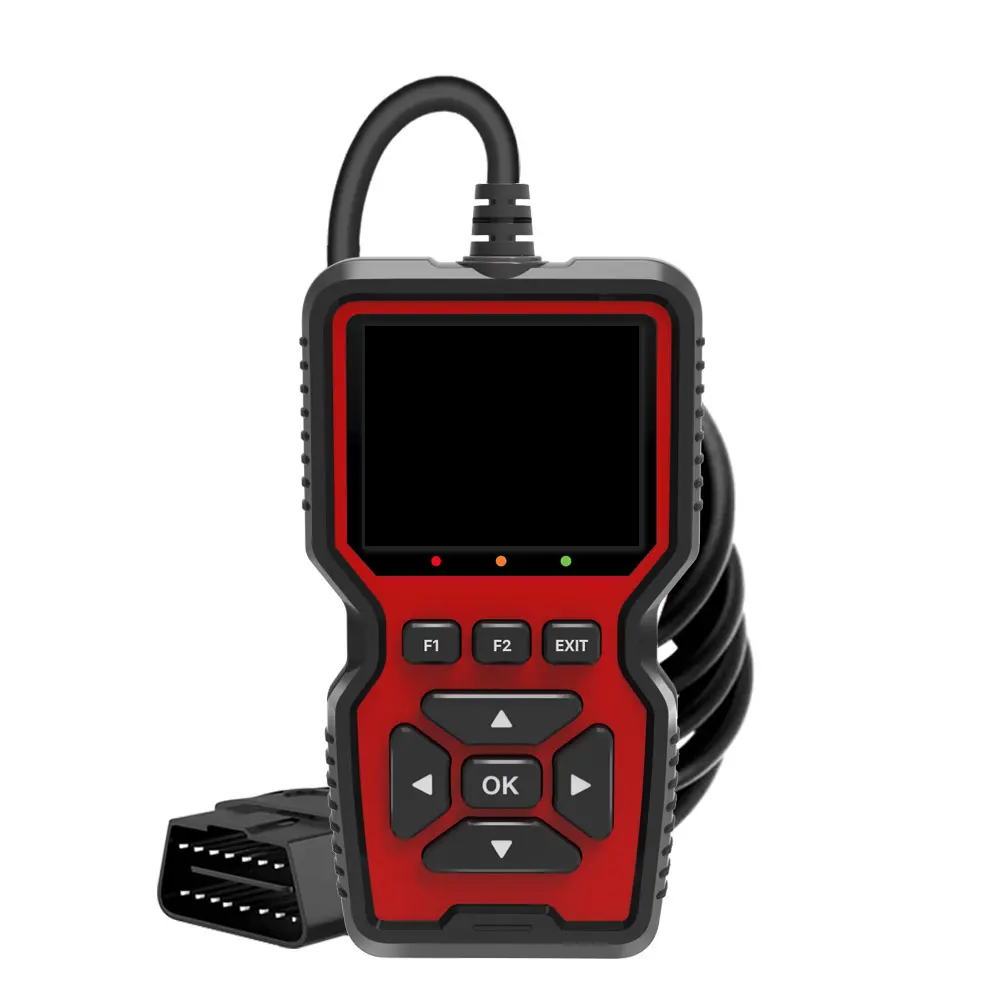
- Initial Scan and Freeze Frame Data Analysis: Connect an OBD-II scanner to confirm P0740 and review freeze frame data. This data provides critical information about vehicle speed, engine RPM, transmission temperature, and engine load at the time the code was set, which can offer clues about the conditions under which the fault occurred.
- Transmission Fluid Level and Condition Check: Park the vehicle on a level surface, ensure the transmission is at operating temperature, and check the fluid level according to manufacturer specifications. Inspect the fluid for color (should be reddish, not dark brown or black), odor (should not smell burnt), and presence of metallic debris. Low or contaminated fluid can mimic TCC issues.
- Visual Inspection of Wiring and Connectors: Carefully inspect the external transmission wiring harness and connectors for signs of damage, chafing, corrosion, or loose connections. Pay close attention to the area around the transmission housing and any areas where the harness passes through.
- TCC Solenoid Electrical Resistance Test (DMM):
- Locate the transmission electrical connector where the TCC solenoid circuit originates. Depending on the vehicle, this may be an external connector on the transmission case or require removal of the transmission pan and valve body to access the internal harness.
- Using a Digital Multimeter (DMM) set to ohms, measure the resistance across the TCC solenoid terminals. Consult the vehicle’s service manual for the specified resistance range. An open circuit (infinite resistance) or a short circuit (near zero resistance) indicates a faulty solenoid or internal wiring issue.
- Compare the reading to the manufacturer’s specifications. If the resistance is outside the specified range, replacement of the solenoid (or valve body assembly, if integral) is warranted.
- Continuity and Voltage Drop Test of TCC Control Circuit (DMM):
- With the transmission and PCM/TCM connectors disconnected, use a DMM to check for continuity between the appropriate TCC control wire terminals at both ends of the harness. Look for an open circuit.
- Check for shorts to ground by placing one DMM lead on the TCC control wire terminal and the other on a known good chassis ground.
- Check for shorts to power by placing one DMM lead on the TCC control wire terminal and the other on a known B+ (battery voltage) source.
- A voltage drop test on the TCC control circuit, performed under load if possible, can reveal excessive resistance in the wiring that might not be apparent with a simple continuity test.
- Live Data Monitoring and Bi-Directional Control:
- Using an advanced diagnostic scanner capable of live data, monitor engine RPM, transmission input speed, vehicle speed, and TCC slip RPM while test driving the vehicle.
- Observe if the TCC slip RPM decreases appropriately when commanded to lock up. A consistently high slip value when TCC should be engaged points to a mechanical or hydraulic issue, or a solenoid that isn’t actuating.
- If the scanner has bi-directional control, command the TCC solenoid on and off. Listen for the solenoid click (if audible) and observe changes in engine RPM/transmission input speed. This can help isolate whether the PCM’s command is reaching the solenoid and if the solenoid is responding.
- Hydraulic Pressure Test (Advanced): If all electrical components test good, but TCC engagement is still not occurring or is slipping, a hydraulic pressure test of the TCC apply circuit within the transmission may be necessary. This requires specialized gauges and knowledge of transmission internal hydraulics. Low or incorrect pressure can prevent proper TCC lock-up.
Recommended Repairs and Solutions
The repair strategy for P0740 depends entirely on the findings of the diagnostic process. Prioritize the most common and easily verifiable issues first.
- Replace the TCC Solenoid: If the electrical resistance test confirmed a faulty solenoid, this is the most common repair. This typically requires dropping the transmission pan, draining fluid, and potentially removing the valve body to access and replace the solenoid. Always use an OEM or high-quality aftermarket solenoid.
- Repair or Replace Wiring Harness: If diagnostic steps revealed an open, short, or excessive resistance in the wiring, repair the damaged section using proper splicing techniques (e.g., solder and heat shrink) or replace the entire harness segment if damage is extensive. Ensure connectors are clean and tight.
- Transmission Fluid and Filter Service: If the transmission fluid was low or contaminated, perform a complete fluid and filter service. Use only the manufacturer-specified fluid type and ensure the correct fill level. A clogged filter can restrict fluid flow and impact TCC operation.
- Valve Body Repair or Replacement: If internal valve body issues (e.g., a stuck TCC apply valve) are suspected after ruling out electrical and solenoid failures, the valve body may need to be repaired or replaced. This is a more involved repair.
- Torque Converter Replacement: If all electrical and hydraulic controls for the TCC are confirmed functional, but the TCC still slips or fails to engage, the torque converter itself is likely at fault. This is a significant and costly repair, often requiring transmission removal.
- PCM/TCM Replacement or Reprogramming: If all other components and circuits test good, and there is strong evidence of an internal module fault (e.g., no voltage output to the solenoid when commanded), the PCM or TCM may need replacement and subsequent programming. This is a last resort and should only be pursued after exhaustive component testing.
Mechanics’ Tips:
- Always consult the vehicle-specific service manual for correct wiring diagrams, resistance values, and repair procedures.
- When replacing a TCC solenoid or performing any internal transmission work, ensure the work area is meticulously clean to prevent contamination of the transmission fluid.
- Use a torque wrench for all fasteners, especially when reinstalling the transmission pan, to prevent leaks or damage.
- After any repair, clear the DTCs and perform an extended test drive to confirm the repair and ensure the code does not return. Monitor live data during the test drive to observe TCC operation.
- Consider replacing the transmission filter whenever the pan is dropped for solenoid access, as it’s a preventative maintenance item.